Many people remember Disney films as magical adventures filled with colorful characters, catchy songs, and happy endings. But one 1980s fantasy movie took a much darker approach to a beloved story—and left a lasting impression on viewers who watched it as children.
Released in 1985, Return to Oz brought Dorothy Gale back to the mysterious Land of Oz. Instead of the cheerful world many viewers expected, she discovered a ruined kingdom, frightening creatures, and some deeply unsettling characters.
Decades later, the film continues to be remembered as one of the most disturbing children’s fantasy movies of its era. Some adults who watched it when they were young say that certain scenes still frighten them today.
So what made this Disney sequel so different, and why has its reputation endured?
What Is Return to Oz About?
Return to Oz is a 1985 fantasy adventure film directed by Walter Murch. It follows Dorothy Gale, played by Fairuza Balk, as she returns to the magical land she remembers from her previous adventure.
This time, however, Oz is far from the colorful world audiences might expect. The Emerald City has been devastated, and the land is controlled by dangerous forces.
Dorothy encounters unusual companions, including Tik-Tok, Jack Pumpkinhead, and the Gump. Together, they attempt to restore Oz and confront the threats facing the kingdom.
Unlike the famous 1939 film The Wizard of Oz, the sequel takes a darker, stranger approach to fantasy. Its atmosphere is more unsettling, its landscapes are often bleak, and its characters can be genuinely frightening.
Why Did the Movie Frighten So Many Children?
The film was made as a family fantasy adventure, not a conventional horror movie. Nevertheless, several scenes became infamous among viewers who first watched it at a young age.
1. Princess Mombi and Her Collection of Heads
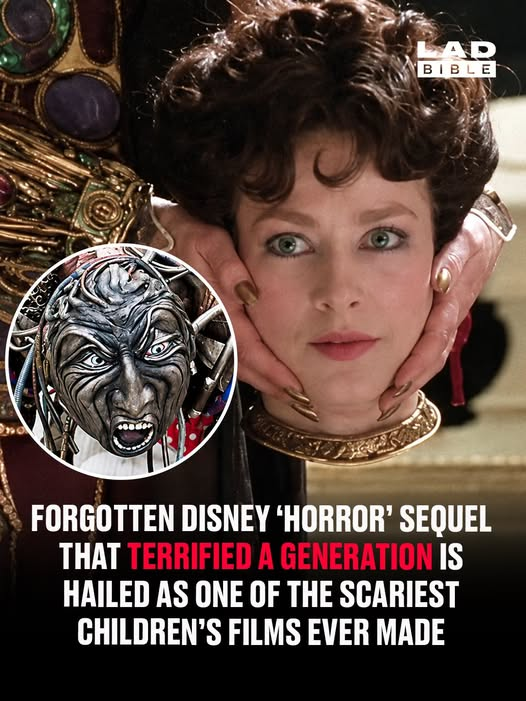
One of the film’s most memorable villains is Princess Mombi, a character associated with a collection of interchangeable heads.
Dorothy enters a chamber where the heads are displayed, hoping to obtain the Powder of Life. The sequence becomes a nightmare when the heads awaken and the danger escalates.
The combination of realistic-looking faces, eerie movements, and the possibility of being discovered made the scene especially disturbing for young viewers.
It was an unusual image for a children’s fantasy film, and it remains one of the main reasons Return to Oz is remembered for its frightening atmosphere.
2. The Terrifying Wheelers
Another unsettling feature is the Wheelers, strange creatures that move on wheels attached to their limbs.
Their bizarre appearance, unusual movements, and threatening behavior make them memorable antagonists. Rather than looking like traditional fairy-tale villains, they resemble something from a surreal nightmare.
For many viewers, the Wheelers were even more frightening than the film’s central villains because their appearance was so unfamiliar.
3. Dorothy’s Experience at the Hospital
The film’s opening scenes are also surprisingly dark.
Before returning to Oz, Dorothy is taken to a medical institution because she continues to describe her experiences in the magical land. A doctor plans to use electroconvulsive therapy in an attempt to make her forget those memories.
The scenes create a sense of fear and uncertainty before Dorothy even reaches Oz. For a young audience, the idea of being trapped in an institution and subjected to a frightening medical procedure could be deeply unsettling.
This opening also establishes the film’s darker tone, which differs considerably from the musical fantasy many viewers associate with the original story.
4. Even the Friendly Characters Feel Strange
The film’s unusual atmosphere extends beyond its villains.
Jack Pumpkinhead and the Gump are examples of companions whose appearances and personalities are far removed from the familiar characters in the 1939 movie.
Although they help Dorothy, their strange designs and unusual behavior can feel unsettling. This contrast between friendship and strangeness is part of what gives Return to Oz its distinctive identity.
Why Was Return to Oz So Different From The Wizard of Oz?
The original The Wizard of Oz, released in 1939, became famous for its music, colorful imagery, and memorable performances.
Return to Oz took a different creative direction. Rather than trying to recreate the earlier film’s musical style, director Walter Murch drew inspiration from L. Frank Baum’s later Oz books, particularly Ozma of Oz and The Marvelous Land of Oz.
The result was a fantasy adventure that felt closer to the stranger and darker elements of traditional fairy tales.
The film also used practical effects, elaborate costumes, and physical sets to bring its unusual creatures to life. These techniques helped make its characters feel tangible rather than like distant animated figures.
For viewers expecting a lighthearted continuation of the original movie, the change in tone could be a surprise.
Was Return to Oz a Box Office Failure?
The movie did not become the major commercial success that Disney had hoped for. Its darker style and unusual approach to the Oz story also divided critics at the time.
However, its reputation changed over the years.
As audiences rediscovered the film through home video, television, and later online discussions, Return to Oz developed a dedicated following. What once seemed like an unsuccessful sequel increasingly became known as a distinctive cult favorite.
Its willingness to explore unsettling ideas within a family fantasy helped it stand apart from many other children’s movies of the period.
Why Are Adults Still Talking About It Today?
The film’s reputation has grown through nostalgia and online conversations.
Adults who watched Return to Oz as children often remember particular scenes more vividly than they remember the overall story. The Wheelers, Princess Mombi’s collection of heads, and the hospital opening frequently appear in discussions about frightening childhood movie experiences.
For some viewers, revisiting the film as adults reveals details they did not understand when they were younger. For others, the strange imagery remains just as unsettling as they remember.
The film has also attracted renewed attention from critics interested in darker family entertainment and the history of practical effects in cinema.
Its reputation demonstrates how a movie does not need to be officially classified as horror to frighten an audience. Sometimes, unusual imagery, suspense, and an unpredictable atmosphere are enough.
Was Return to Oz Really a Children’s Horror Movie?
Technically, Return to Oz is a fantasy adventure rather than a traditional horror film.
It does not rely primarily on graphic violence or conventional horror techniques. Instead, it creates fear through unsettling characters, threatening situations, strange imagery, and a world that feels unsafe.
Whether it is appropriate for a particular child depends on that child’s age, sensitivity, and comfort with frightening scenes.
Parents considering the film for younger viewers may want to review its content beforehand, especially if their children are sensitive to medical procedures, threatening creatures, or disturbing imagery.
Frequently Asked Questions
What year was Return to Oz released?
Return to Oz was released in 1985 and directed by Walter Murch.
Who plays Dorothy in Return to Oz?
Dorothy Gale is played by Fairuza Balk, who was a child actress at the time.
Is Return to Oz an official Disney film?
Yes. Disney released the film in 1985. It draws on L. Frank Baum’s Oz books rather than simply repeating the story and style of the 1939 movie.
What is the scariest scene in Return to Oz?
Many viewers identify Princess Mombi’s collection of heads or the appearance of the Wheelers as the film’s most frightening sequences. Which scene feels scariest is a matter of personal opinion.
Is Return to Oz suitable for young children?
It depends on the child. Although it is a fantasy adventure, the movie contains disturbing imagery and frightening situations that may upset younger or more sensitive viewers. Parents should consider reviewing it before a family viewing.
Final Thoughts
Return to Oz remains a fascinating example of how a family fantasy film can take a surprisingly dark creative direction.
Its eerie characters, unsettling scenes, and ruined version of a familiar magical world helped give it a reputation that has lasted for decades. While some viewers remember it with affection, others still find it genuinely frightening.
The film’s lasting appeal comes partly from that unusual balance: it is imaginative and adventurous, yet often far more unsettling than its Disney label might suggest.
For anyone curious about the darker side of 1980s family cinema, Return to Oz remains a memorable journey into a world where childhood fantasy and nightmare sometimes overlap.