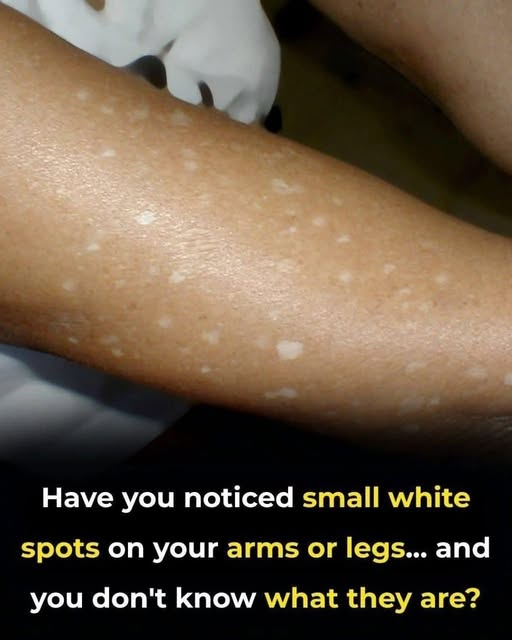
Have you noticed tiny white spots appearing on your arms, legs, or other parts of your skin? You may wonder whether they are caused by aging, sun exposure, a vitamin deficiency, or an underlying skin condition.
Small white spots are relatively common, and many causes are harmless. However, not all white patches are the same. Their size, shape, location, texture, and whether they are spreading can help a healthcare professional identify the cause.
One common explanation for small, flat white spots on the arms and legs is a condition called idiopathic guttate hypomelanosis. Other possibilities include vitiligo, a fungal skin condition known as tinea versicolor, and changes in pigmentation following skin irritation or inflammation.
Here is what you should know about the possible causes, when to seek medical advice, and how to care for your skin.
1. Idiopathic Guttate Hypomelanosis: A Common Cause of Small White Spots
Idiopathic guttate hypomelanosis (IGH) is a benign skin condition that causes small, flat, pale or white spots. They often appear on sun-exposed areas, particularly the forearms and shins.
The spots are usually a few millimeters across, have relatively clear edges, and do not normally cause pain or itching.
Why does it happen?
The exact cause is not fully understood, but aging, cumulative sun exposure, and genetic factors may contribute. The condition becomes more common with age, although it can occur in different skin types.
Despite their appearance, these spots are not generally a sign of a serious illness.
Does it need treatment?
Treatment is often unnecessary if a healthcare professional confirms the diagnosis and the spots cause no symptoms. Some cosmetic treatments may improve their appearance, but results vary.
Protecting exposed skin from excessive sunlight can help reduce further sun damage, although sunscreen will not necessarily make existing spots disappear.
2. Vitiligo: When Skin Loses Its Pigment
Vitiligo is a condition in which the skin loses pigment because the cells responsible for producing melanin are damaged or stop functioning.
Unlike the tiny spots commonly associated with IGH, vitiligo may produce larger, clearly defined white patches. These can appear on the hands, arms, legs, face, and other areas of the body.
What should you look for?
Possible features include:
- Patches that become completely white.
- Areas that gradually enlarge or join together.
- Similar patches appearing on both sides of the body.
- White or gray hair growing within affected areas in some cases.
Vitiligo is not contagious. It can be associated with autoimmune processes, but having white patches does not automatically mean someone has an autoimmune disease.
A dermatologist can assess the skin and may use a special ultraviolet lamp to help distinguish vitiligo from other causes of pigmentation changes.
3. Tinea Versicolor: A Fungal Skin Condition
Tinea versicolor, also called pityriasis versicolor, is a common skin condition caused by an overgrowth of a yeast that normally lives on the skin.
It can cause lighter, darker, pink, or brown patches. On darker skin, the affected areas may look noticeably lighter than the surrounding skin.
The patches commonly occur on the chest, back, neck, and upper arms. They may have fine scaling and sometimes cause mild itching.
How is it treated?
A pharmacist or doctor can recommend an appropriate antifungal treatment, such as a medicated cream or shampoo.
The infection may clear with treatment, but the skin’s normal color can take several weeks or months to return. Recurrences are also possible.
Because several skin conditions can look similar, it is best to seek advice if you are unsure whether the spots are caused by a fungal infection.
4. White Spots After a Rash or Skin Irritation
Sometimes, lighter areas develop after the skin has been affected by eczema, an insect bite, a rash, an injury, or another inflammatory condition.
This is known as post-inflammatory hypopigmentation.
The affected skin may temporarily produce or retain less pigment than the surrounding area. As the original skin problem improves, the color may gradually return, although recovery can take time.
Avoiding unnecessary irritation and treating the underlying condition appropriately may help. Persistent or worsening discoloration should be assessed by a healthcare professional.
5. Could White Spots Mean You Have a Vitamin Deficiency?
It is common to see claims online that small white spots automatically indicate a lack of vitamins or minerals. However, white spots alone are not a reliable way to diagnose a nutritional deficiency.
Many pigmentation conditions have causes unrelated to vitamin levels.
If you also have symptoms such as persistent fatigue, unusual weakness, hair changes, or other health concerns, a healthcare professional can determine whether nutritional testing is appropriate.
Avoid taking high-dose vitamin supplements or using strong skin treatments solely because white spots have appeared. The correct approach depends on the underlying cause.
How Can You Tell Which Type of White Spots You Have?
The appearance of the spots may offer clues, but it cannot provide a definite diagnosis.
| Feature | Possible explanation |
|---|---|
| Tiny, flat white spots on the forearms or shins, without symptoms | Idiopathic guttate hypomelanosis |
| Larger, sharply defined white patches that may spread | Vitiligo |
| Pale patches with fine scaling, often on the upper body | Tinea versicolor |
| Lighter areas appearing after a rash or injury | Post-inflammatory hypopigmentation |
These are general patterns, not diagnostic rules. Several conditions can look similar, and more than one cause may be possible.
When Should You See a Dermatologist?
Consider arranging a medical appointment if:
- The white spots are new, spreading, or changing noticeably.
- Larger patches develop or the skin loses pigment rapidly.
- The affected areas are itchy, scaly, painful, or inflamed.
- You notice changes in skin texture as well as color.
- The spots persist and you are unsure what is causing them.
- You are concerned about the appearance of your skin and would like to discuss treatment.
A dermatologist may examine the affected areas under normal or ultraviolet light. In some cases, additional tests may be needed to distinguish between pigment disorders and infections.
New white spots are not automatically dangerous, but an accurate diagnosis helps ensure that any necessary treatment is appropriate.
How Can You Care for Skin With White Spots?
While the right treatment depends on the cause, a few general measures can help protect your skin.
Use Sun Protection
Apply a broad-spectrum sunscreen with an SPF of 30 or higher to exposed skin, and reapply it as directed, particularly after swimming or sweating.
Areas with reduced pigment may be more vulnerable to sunburn. Sun protection can also help reduce contrast between lighter spots and surrounding tanned skin.
Avoid Harsh Skin Products
Strong exfoliants, irritating cosmetics, and unprescribed bleaching products may aggravate the skin. Choose gentle cleansers and moisturizers if your skin is dry or sensitive.
Get the Right Diagnosis Before Treatment
Antifungal creams, steroid creams, and other treatments are not interchangeable. A product that helps one condition may be ineffective or inappropriate for another.
If you are unsure about the cause, consult a healthcare professional before starting treatment.
Frequently Asked Questions
Are small white spots on the arms and legs dangerous?
Many are harmless, especially when they are small, flat, and stable. However, new or changing patches should be assessed if the cause is unclear.
Do white spots mean I have vitiligo?
Not necessarily. Vitiligo is one possible cause, but other conditions—including idiopathic guttate hypomelanosis, tinea versicolor, and post-inflammatory hypopigmentation—can also produce lighter areas.
Can white spots disappear naturally?
That depends on the cause. Some areas of post-inflammatory hypopigmentation gradually regain their color. Vitiligo and idiopathic guttate hypomelanosis may persist, while tinea versicolor can improve with antifungal treatment even though normal skin color may take longer to return.
Does sunscreen help white spots go away?
Sunscreen protects the skin from ultraviolet damage and helps prevent surrounding skin from tanning, which can make lighter spots less noticeable. It does not necessarily restore pigment to existing spots.
Should I take vitamins for white spots?
Do not assume that the spots are caused by a vitamin deficiency. A balanced diet is important, but supplements should be used for a demonstrated or suspected need under appropriate medical guidance.
Final Thoughts
Small white spots on the arms and legs can have several explanations. One common cause is idiopathic guttate hypomelanosis, but vitiligo, tinea versicolor, and changes following skin inflammation can look similar.
The most useful clues are whether the spots are tiny or large, whether they have fine scaling, whether they are spreading, and whether they appeared after another skin problem.
If you notice new or changing patches, a healthcare professional can help identify the cause and determine whether treatment is necessary. In many cases, the condition is manageable, and understanding what is happening is the first step toward caring for your skin with confidence.
Medical disclaimer: This article is for general educational purposes only and does not replace professional medical advice, diagnosis, or treatment.