Bananas are among the most popular fruits in the world, and for good reason. They are affordable, easy to eat, naturally sweet, and packed with nutrients that help the body function properly.
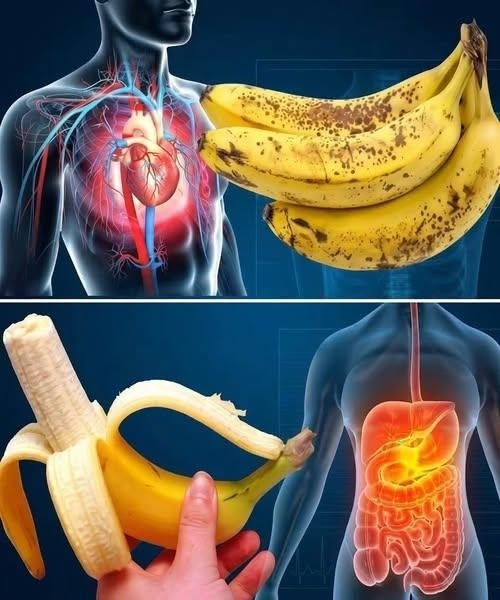
But did you know that eating bananas can support heart health and digestion? Their potassium content helps the body regulate blood pressure, while their fiber supports normal bowel function.
Although bananas offer several nutritional benefits, they are not a miracle food. Their effects depend on your overall diet, health, and individual needs.
Here is what happens when you include bananas in a balanced diet, how ripe bananas differ from green ones, and who should be careful about eating too many.
1. Bananas Provide Potassium for Heart Health
Potassium is an essential mineral that helps regulate fluid balance, muscle contractions, nerve signals, and blood pressure.
Bananas are a useful source of potassium. One medium banana provides approximately 400–450 milligrams, although the exact amount varies with size.
Eating potassium-rich foods as part of a balanced diet may help support healthy blood pressure. Potassium helps counter some of the effects of sodium and supports normal blood vessel function.
However, eating a banana does not immediately lower blood pressure or prevent a heart attack. Heart health depends on several factors, including overall diet, physical activity, smoking status, genetics, and the management of conditions such as high blood pressure and diabetes.
Practical tip: Combine fruit with a varied diet that includes vegetables, whole grains, legumes, and other nutritious foods.
2. Bananas Can Support Healthy Digestion
Bananas contain dietary fiber, which helps support normal digestive function.
A medium banana typically provides around 3 grams of fiber. Getting enough fiber from a variety of foods can help maintain regular bowel movements and support overall gut health.
Bananas also contain different types of carbohydrates depending on how ripe they are.
Green Bananas and Resistant Starch
Less-ripe, green bananas contain more resistant starch. This type of carbohydrate is not fully digested in the small intestine and can be fermented by bacteria in the large intestine.
Resistant starch may support beneficial gut bacteria and contribute to normal bowel function. However, it can also cause gas or bloating in some people.
Ripe Bananas and Natural Sugars
As bananas ripen, some of their starch is converted into sugars, making the fruit softer and sweeter.
Ripe bananas can still contribute fiber and useful nutrients to your diet. The best choice depends on your taste, digestive tolerance, and nutritional needs.
3. Can Bananas Help With Constipation?
Bananas can contribute to your daily fiber intake, which is important for healthy bowel movements. However, they do not work as a guaranteed treatment for constipation.
Constipation can have several causes, including inadequate fiber intake, dehydration, inactivity, medication side effects, and certain medical conditions.
If you experience constipation, helpful steps may include:
- Eating a variety of fiber-rich foods.
- Drinking enough fluids, unless your healthcare professional has advised a fluid restriction.
- Staying physically active.
- Maintaining a regular bathroom routine.
If constipation persists, becomes painful, or is accompanied by blood in the stool, unexplained weight loss, or other concerning symptoms, seek medical advice.
4. Bananas Provide Energy for Everyday Activities
Bananas contain carbohydrates that the body can use for energy. This makes them a convenient snack before exercise, during a busy day, or alongside breakfast.
They also provide vitamin B6, which contributes to normal energy metabolism and nervous system function.
A banana can be eaten on its own or paired with foods containing protein and healthy fats, such as plain yogurt, nuts, or unsweetened nut butter.
This combination may help make a snack more filling than fruit alone.
5. Bananas Supply Important Vitamins and Minerals
In addition to potassium and fiber, bananas provide several other nutrients.
Vitamin B6: Helps the body process proteins and supports normal nervous system function.
Vitamin C: Contributes to normal immune function and helps protect cells from oxidative damage.
Manganese: Plays a role in normal metabolism and bone formation.
Carbohydrates: Supply energy for the brain and muscles.
Bananas are not nutritionally complete on their own, so they are best enjoyed alongside other fruits, vegetables, protein sources, and whole grains.
6. Are Bananas Good for Blood Pressure?
Potassium-rich foods can be part of an eating pattern that supports healthy blood pressure. Bananas may contribute to that pattern, but their effect should not be overstated.
The amount of potassium in one banana is only one part of a person’s overall intake. Reducing excessive sodium, maintaining a healthy weight, exercising regularly, and following prescribed treatment are also important.
People who have been diagnosed with high blood pressure should not replace medication with bananas or other foods.
If your blood pressure is consistently high, consult a healthcare professional about the most appropriate approach.
7. Are Bananas Suitable for People With Diabetes?
People with diabetes can often include bananas in a balanced eating plan. However, bananas contain carbohydrates, which affect blood glucose levels.
The portion size and degree of ripeness may influence how quickly carbohydrates are digested. Eating a banana with a source of protein or healthy fat may also affect the overall response to a meal.
Individual responses vary, so people who monitor their blood glucose should follow their healthcare professional’s advice and observe how different portions affect their levels.
There is no need for everyone with diabetes to avoid bananas completely. The key is to consider the portion within the person’s overall carbohydrate intake.
8. Who Should Be Careful About Eating Bananas?
For most healthy adults, bananas are a safe and nutritious fruit. However, certain medical conditions require additional consideration.
People With Chronic Kidney Disease
The kidneys help regulate potassium levels in the blood. Some people with chronic kidney disease, particularly those with elevated potassium levels or those receiving certain treatments, may need to limit potassium-rich foods.
Bananas are not automatically forbidden for everyone with kidney disease. The appropriate amount depends on blood test results, kidney function, medication, and individual dietary advice.
People Taking Certain Medications
Some medicines, including certain blood pressure medications and potassium-sparing diuretics, can raise blood potassium levels.
If you take these medications and have kidney problems or have been advised to limit potassium, ask your healthcare professional whether you need to adjust your intake.
People Who Experience Bloating
Bananas may cause bloating or gas in some people, particularly when eaten in large amounts or when the digestive system is sensitive to certain carbohydrates.
If you repeatedly notice symptoms after eating bananas, consider discussing the pattern with a healthcare professional rather than eliminating multiple foods unnecessarily.
Frequently Asked Questions
How many bananas should you eat per day?
There is no single ideal number for everyone. One banana can be a convenient daily serving of fruit, but your needs depend on your overall diet, health, and energy requirements.
Is it better to eat green or ripe bananas?
Both can be nutritious. Green bananas contain more resistant starch, while ripe bananas contain more sugars formed as starch breaks down. Choose the type you enjoy and tolerate best.
Do bananas prevent heart disease?
No single food can guarantee protection against heart disease. Bananas provide potassium and other nutrients that can contribute to a heart-healthy eating pattern, but overall lifestyle and medical risk factors matter much more.
Can bananas improve gut health?
Their fiber and resistant starch, particularly in less-ripe bananas, can contribute to a diet that supports normal bowel function and gut bacteria. However, individual digestive responses vary.
Are bananas good to eat at night?
There is no strong evidence that eating a banana at a particular time of day provides unique health benefits. You can enjoy one in the evening if it suits your dietary needs and does not cause digestive discomfort.
Final Thoughts
Bananas are more than a convenient snack. They provide potassium, fiber, vitamin B6, and carbohydrates that can support normal bodily functions.
Including bananas in a balanced diet may contribute to healthy blood pressure and digestion, but they are not a substitute for medical treatment or a varied diet.
For most people, enjoying bananas regularly is a simple way to add useful nutrients to their meals. If you have kidney disease, elevated potassium levels, or specific dietary restrictions, ask your healthcare professional how bananas fit into your individual eating plan.
Medical disclaimer: This article is for general educational purposes only and is not a substitute for professional medical advice, diagnosis, or treatment.