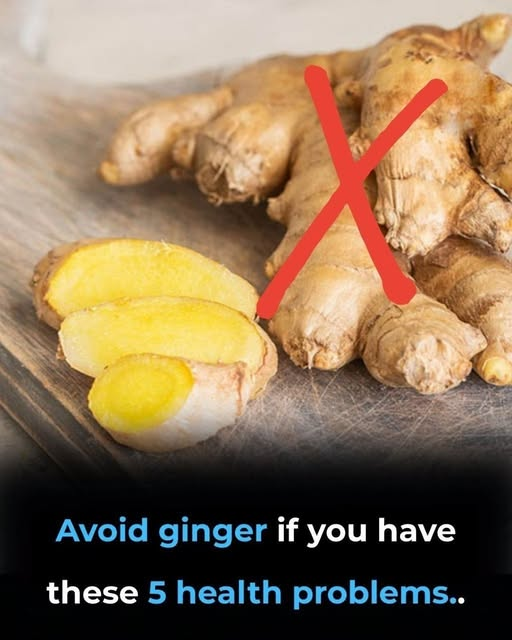
Ginger is a popular ingredient used in cooking, teas, and traditional remedies. It has been studied for its potential to ease nausea and may offer benefits for certain types of pain. However, like many foods and herbal products, ginger is not suitable for everyone in every amount.
If you have a chronic health condition or take medication regularly, it is worth understanding when ginger may cause problems. The good news is that most people can enjoy ordinary amounts of ginger in food. The main concerns generally involve concentrated supplements, large doses, and possible interactions with certain medicines.
Here are five situations in which extra caution may be appropriate.
1. Acid Reflux and Frequent Heartburn
Ginger is sometimes used to soothe digestive discomfort, but it can have the opposite effect in some people.
The National Center for Complementary and Integrative Health (NCCIH) notes that ginger may cause abdominal discomfort and heartburn, particularly when taken orally as a supplement.
If you have gastroesophageal reflux disease (GERD) or frequent heartburn, pay attention to how your body responds. Strong ginger shots, concentrated extracts, or large amounts of ginger tea may aggravate symptoms in some individuals.
What you can do: Try reducing the amount or stopping it temporarily if symptoms appear after consuming ginger. Speak with a healthcare professional if heartburn is frequent or persistent.
2. Gallstones or Gallbladder Problems
Ginger may influence bile secretion, which is important for digesting dietary fat. However, people with gallstones or other gallbladder conditions should be cautious about using concentrated ginger supplements.
The concern is not that ordinary culinary amounts of ginger are proven to cause gallbladder disease. Rather, the effects of medicinal doses may be unsuitable for certain people with existing biliary problems.
What you can do: If you have diagnosed gallstones, recurring pain in the upper-right abdomen, or a history of gallbladder problems, ask your doctor before taking ginger supplements.
Severe abdominal pain, fever, or yellowing of the skin or eyes requires prompt medical assessment.
3. Bleeding Disorders or Use of Blood-Thinning Medication
Ginger supplements may affect platelet activity, raising concerns about bleeding when combined with certain medicines. However, the strength of the evidence varies, and the risk from ordinary food quantities is not well established.
People who take anticoagulants or antiplatelet medicines should be especially careful with concentrated ginger products.
Examples include:
- Warfarin.
- Apixaban or rivaroxaban.
- Aspirin or clopidogrel.
These medicines should never be stopped or adjusted without medical advice.
What you can do: Ask your doctor or pharmacist before starting ginger capsules, extracts, or high-dose preparations, particularly if you have a bleeding disorder or are preparing for surgery.
4. Diabetes or Medication That Lowers Blood Sugar
Some studies have investigated whether ginger supplements influence blood glucose levels. The findings are not consistent enough to treat ginger as a replacement for established diabetes care.
Nevertheless, people using insulin or other glucose-lowering medicines should discuss concentrated ginger supplements with their healthcare professional because an additional effect on blood sugar is possible.
What you can do: Continue your prescribed diabetes treatment and monitoring. Do not replace medication with ginger tea or supplements, and seek advice before using medicinal doses regularly.
Ordinary amounts of ginger used in meals are generally different from concentrated supplements.
5. Pregnancy and Breastfeeding
Ginger has been studied for nausea and vomiting during pregnancy, and some evidence suggests that it may help pregnancy-related nausea. However, the safety evidence depends on the preparation, dose, and individual circumstances.
Eating ginger as part of normal meals is not the same as taking high-dose supplements. Research on concentrated products and their use during breastfeeding is more limited.
What you can do: If you are pregnant or breastfeeding and considering ginger supplements, capsules, or concentrated extracts, consult your doctor or midwife first. This is particularly important if you have other medical conditions or take medication.
Can Ginger Be Part of a Healthy Diet?
For most people, ginger can be enjoyed in reasonable culinary amounts. It adds flavor to soups, stir-fries, marinades, and teas, and research suggests it may help with certain forms of nausea.
However, ginger is not a cure for chronic disease, and more is not necessarily better. Supplements can contain concentrated doses that differ substantially from the amounts normally used in cooking.
Possible side effects include heartburn, diarrhea, abdominal discomfort, and irritation of the mouth or throat.
Frequently Asked Questions
Is it safe to drink ginger tea every day?
Many people tolerate moderate amounts of ginger tea. The appropriate amount depends on your health, the strength of the tea, and any medication you take. Reduce or avoid it if it triggers symptoms.
Can ginger interact with medication?
Potential interactions have been reported or suggested, especially with blood-thinning medicines and glucose-lowering treatments. Ask a pharmacist or doctor about your specific medication before using concentrated supplements.
Should people with high blood pressure avoid ginger?
Not necessarily. High blood pressure alone is not a universal reason to avoid ginger in food. If you take blood pressure medication and plan to use high-dose supplements, discuss this with your healthcare professional.
Does ginger damage the liver or kidneys?
There is no good evidence that ordinary culinary amounts of ginger routinely damage healthy livers or kidneys. Anyone with significant medical conditions should discuss supplements with a clinician rather than assuming that natural products are risk-free.
Final Thoughts
Ginger can be a useful and flavorful ingredient, but certain health conditions and medications may make concentrated ginger supplements less appropriate.
If you have acid reflux, gallbladder disease, a bleeding disorder, diabetes treated with medication, or questions about ginger during pregnancy or breastfeeding, seek personalized advice before using high doses.
The key message is simple: you do not automatically need to eliminate ginger from your diet. Understand the difference between normal food amounts and concentrated supplements, and choose what is appropriate for your health.
Medical disclaimer: This article is for general educational purposes only. It does not replace professional medical advice, diagnosis, or treatment.