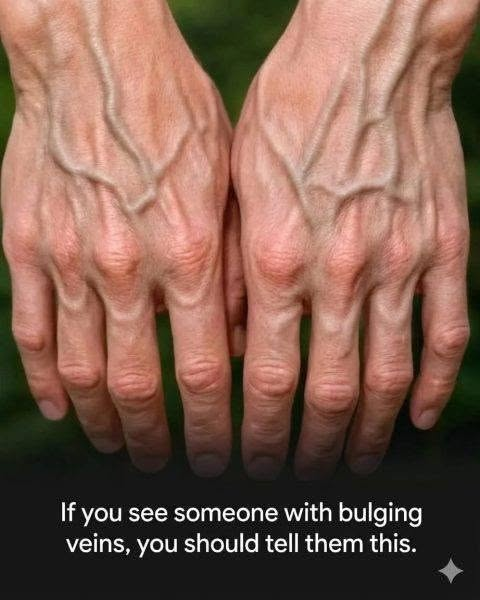
Have you ever noticed the veins on the backs of your hands becoming more visible or prominent? You may have wondered whether this is a normal part of aging, a sign of good circulation, or a warning that something is wrong.
Visible veins are common, and in many cases, they are completely normal. However, the appearance of your veins can be influenced by several factors, including age, skin thickness, body composition, genetics, and physical activity.
The important thing to remember is that visible veins alone do not diagnose a medical condition. Understanding what is normal for your body—and recognizing changes that deserve attention—is much more useful than drawing conclusions from appearance alone.
Why Are the Veins on Your Hands So Visible?
Veins carry blood back toward the heart. Some veins lie close to the surface of the skin, making them easier to see, especially on the hands and forearms.
Several factors can make these veins appear more prominent.
1. Natural Aging
As people grow older, their skin generally becomes thinner and loses some of its elasticity. The layer of fat beneath the skin may also decrease.
These changes can make the veins on the hands look larger or more noticeable, even when the veins themselves are functioning normally.
Prominent hand veins are therefore common among older adults and do not automatically indicate poor circulation.
2. Low Body Fat
People with a lower percentage of body fat may have more visible veins because there is less tissue between the veins and the skin.
This can occur in naturally lean individuals and in people who have lost weight. However, visible veins alone cannot determine whether someone is underweight or healthy.
3. Exercise and Physical Activity
During exercise, blood flow increases to meet the body’s needs. Strength training can also increase muscle size over time, making superficial veins more noticeable.
Some people notice that their hand and arm veins become more prominent during or immediately after physical activity.
If the veins return to their usual appearance after resting and there are no other symptoms, this is often a normal response.
4. Genetics
Some people naturally have more visible veins than others. Family characteristics, skin thickness, and the position of superficial veins can all influence their appearance.
If your veins have always been prominent and have not changed significantly, this may simply be part of your natural anatomy.
5. Warm Temperatures
Heat can cause blood vessels near the skin to widen, increasing blood flow through superficial vessels. As a result, veins may appear more noticeable in warm weather, after a hot shower, or following physical activity.
This change is generally temporary.
Do Visible Veins Mean You Have Good Circulation?
Not necessarily.
Visible veins do not reliably indicate whether your circulation is excellent or poor. A person’s vein appearance depends on several factors, and some people with normal circulation have very prominent veins.
Likewise, veins that are difficult to see do not automatically mean someone has a circulation problem.
Healthcare professionals assess circulation by considering symptoms, medical history, physical examination, and, when appropriate, diagnostic tests.
If you are concerned about your circulation, pay attention to symptoms such as persistent swelling, pain, unusual skin color changes, or wounds that do not heal.
Can Bulging Veins Be a Sign of a Medical Problem?
Sometimes. Although prominent veins are often harmless, newly enlarged or painful veins may require medical assessment.
Varicose Veins
Varicose veins develop when veins become enlarged and twisted. They are most common in the legs, ankles, and feet, although other superficial veins can also become prominent.
They may be associated with aching, heaviness, swelling, itching, or skin changes.
Varicose veins are not the only explanation for visible veins, and prominent veins on the backs of the hands do not automatically mean that someone has varicose vein disease.
Superficial Thrombophlebitis
Superficial thrombophlebitis occurs when a vein near the surface becomes inflamed, often in association with a blood clot.
Possible symptoms include pain, tenderness, redness or discoloration, warmth, and a firm or hardened vein.
These symptoms should be assessed by a healthcare professional, particularly if they develop suddenly.
Other Circulation Problems
Certain medical conditions can affect blood flow or the appearance of veins. However, it is not possible to identify a specific vascular disorder simply by looking at a photograph of someone’s hands.
If a vein becomes noticeably different from its usual appearance, especially when accompanied by other symptoms, medical evaluation can help determine the cause.
When Should You Be Concerned About Visible Veins?
The appearance of your veins matters less than whether there has been a new change or whether other symptoms are present.
Contact a healthcare professional if you notice:
- A newly enlarged or bulging vein that does not return to its usual appearance.
- Pain, tenderness, redness, or warmth around a vein.
- Swelling in a hand, arm, or nearby area.
- A vein that feels unusually hard or sore.
- Unexplained skin discoloration or sores near the affected area.
Seek urgent medical care if swelling or pain develops suddenly or becomes severe. Call your local emergency number if you experience chest pain or difficulty breathing, particularly alongside sudden limb swelling, because these symptoms can indicate a serious condition.
A healthcare professional may examine the area and recommend further testing, such as an ultrasound, if necessary.
Can You Prevent Your Veins From Becoming More Visible?
Not always. Some factors, including genetics, natural aging, and skin structure, cannot be changed.
However, several habits support general vascular health:
- Stay physically active. Regular movement supports circulation and overall cardiovascular health.
- Avoid remaining in one position for too long. Take movement breaks during prolonged sitting or standing.
- Maintain a balanced diet. A varied diet supports healthy skin, muscles, and blood vessels.
- Avoid smoking. Smoking damages blood vessels and increases the risk of cardiovascular disease.
- Protect your skin. Moisturizing and protecting your hands from excessive sun exposure can help maintain skin health.
These habits support general health, but they will not necessarily make naturally prominent veins disappear.
If the appearance of your veins concerns you, a clinician can assess whether there is an underlying problem and discuss appropriate options.
Frequently Asked Questions
Are visible veins on the hands normal?
Yes. Visible hand veins are common, especially among older adults, lean individuals, and people who exercise regularly. If the veins have always looked this way and there are no other symptoms, they are often a normal anatomical feature.
Do prominent veins mean I am dehydrated?
Not necessarily. Visible veins alone are not a reliable sign of dehydration. Dehydration is better assessed through symptoms and other clinical information.
Do visible veins mean I have high blood pressure?
No. You cannot determine whether you have high blood pressure by looking at your veins. Blood pressure must be measured with an appropriate monitor.
Can exercise make veins more visible?
Yes. Exercise increases blood flow, and strength training can make superficial veins more noticeable. This is often temporary and is not automatically a sign of a medical problem.
Should I see a doctor if my veins suddenly become prominent?
A new or unexplained change deserves medical advice, especially if the vein is painful, warm, red, hard, or associated with swelling. Sudden severe symptoms require urgent assessment.
Final Thoughts
Visible veins on the hands are often a normal feature of the human body. Aging, genetics, lower body fat, exercise, and warm temperatures can all make them easier to see.
The most important distinction is between veins that have always been prominent and veins that suddenly change or develop additional symptoms.
Rather than assuming that visible veins indicate a particular disease—or that they guarantee good health—pay attention to changes in your body and seek medical advice when something seems unusual.
Medical disclaimer: This article is for educational purposes only and does not replace professional medical advice, diagnosis, or treatment.