Seniors: Should You Add a Mineral to Your Water for Better Circulation?
🍓 Fruits
Berries, oranges, apples and other fruits can be part of a balanced diet.
🫘 Legumes
Beans, lentils and chickpeas provide fiber and plant-based protein.
🐟 Fish
Fish can be an excellent source of protein, and fatty fish provide omega-3 fatty acids.
🌾 Whole grains
Oats, whole-grain bread and other whole grains can fit into a heart-healthy eating pattern.
⚠️ Older Adults Should Be Especially Careful With Extra Sodium
For some people, excess sodium can be particularly problematic.
High sodium intake can contribute to higher blood pressure, which is an important risk factor for cardiovascular disease and stroke. (www.heart.org)
People with conditions such as high blood pressure, kidney disease or heart failure may have specific dietary recommendations from their healthcare professional.
That’s why deliberately increasing salt intake without medical advice isn’t a good strategy.
If you take medications or have a chronic condition, ask your doctor or pharmacist before making significant changes to your sodium or fluid intake.
💧 What About Hydration?
Water remains an important part of a healthy lifestyle.
The body needs fluids for normal physiological functions, and dehydration can cause symptoms such as thirst, tiredness and dizziness.
But ordinary drinking water is usually sufficient for everyday hydration for most people.
Electrolyte-containing drinks have specific uses in certain circumstances, such as significant fluid losses, but they aren’t automatically better than water for everyone.
🧂 When Can Electrolytes Be Useful?
Electrolytes such as sodium and potassium are important for normal body functions.
However, the amount someone needs depends on factors such as diet, physical activity, climate, illness and medications.
This is why there is a big difference between replacing electrolytes when they are actually needed and adding extra salt to every glass of water.
If you’re experiencing repeated dizziness, weakness, swelling, unusual shortness of breath or other concerning symptoms, don’t try to solve the problem with a homemade electrolyte drink. Speak with a healthcare professional.
❤️ A Better “Circulation Routine” for Older Adults
Instead of relying on a viral recipe, consider building a simple daily routine:
Morning: Drink water according to your normal hydration needs.
During the day: Stay physically active and avoid sitting for very long periods.
Meals: Choose vegetables, fruit, whole grains, legumes and other nutrient-dense foods.
Salt: Pay attention to sodium in packaged and restaurant foods.
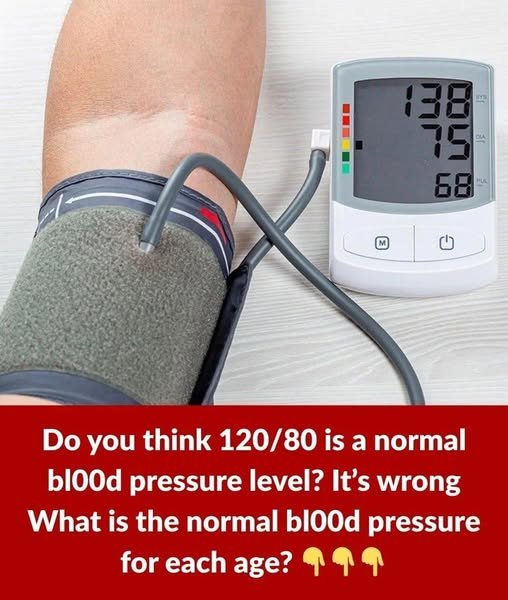
Blood pressure: Check it regularly if your healthcare professional recommends monitoring it.
Evening: Prioritize adequate sleep and recovery.
These habits may not sound as exciting as a secret ingredient, but they are much more consistent with established cardiovascular-health recommendations.
The Bottom Line
The claim that seniors can add a particular mineral to water and suddenly make their blood circulation feel decades younger is not supported by good evidence.
If the mineral being promoted is salt, adding extra sodium can actually be harmful for some people because excess sodium can raise blood pressure. (www.heart.org)
For healthy circulation, focus on the fundamentals: regular movement, a balanced diet, appropriate hydration, healthy blood pressure and regular medical care.
A simple glass of water doesn’t need a miracle ingredient to be useful. 💧❤️
💬 What do you usually add to your water?
Lemon, mint, nothing at all — or something else?
Share your favorite way to stay hydrated in the comments. 👇
Medical disclaimer: This article is for general educational purposes and does not replace individualized medical advice. People with heart, kidney or blood-pressure conditions should consult their healthcare professional before changing their sodium or fluid intake.
To provide the best experiences, we use technologies like cookies to store and/or access device information. Consenting to these technologies will allow us to process data such as browsing behavior or unique IDs on this site. Not consenting or withdrawing consent, may adversely affect certain features and functions.
Functional
Always active
The technical storage or access is strictly necessary for the legitimate purpose of enabling the use of a specific service explicitly requested by the subscriber or user, or for the sole purpose of carrying out the transmission of a communication over an electronic communications network.
Preferences
The technical storage or access is necessary for the legitimate purpose of storing preferences that are not requested by the subscriber or user.
Statistics
The technical storage or access that is used exclusively for statistical purposes.The technical storage or access that is used exclusively for anonymous statistical purposes. Without a subpoena, voluntary compliance on the part of your Internet Service Provider, or additional records from a third party, information stored or retrieved for this purpose alone cannot usually be used to identify you.
Marketing
The technical storage or access is required to create user profiles to send advertising, or to track the user on a website or across several websites for similar marketing purposes.