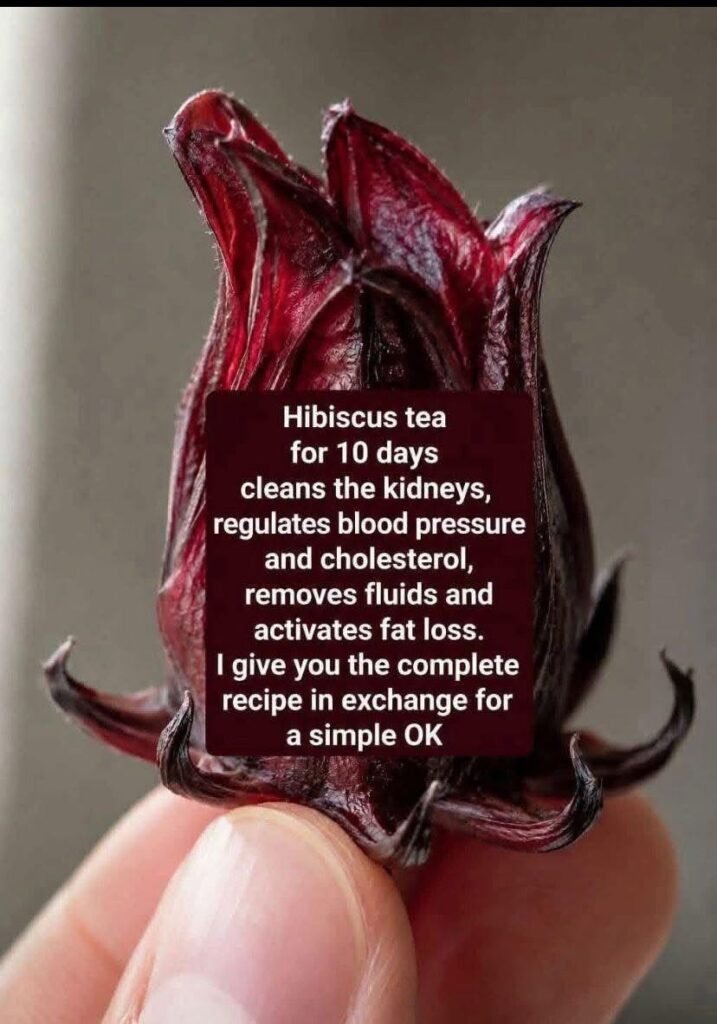
Hibiscus Tea for 10 Days: Benefits, Uses, and What the Evidence Really Says
For a health-focused beverage, keeping it unsweetened or lightly sweetened is preferable.
A Simple 10-Day Routine
If you enjoy hibiscus tea, a 10-day routine can be simple.
Days 1–3: Start with one cup per day to see how you tolerate it.
Days 4–7: Continue with one cup daily. Focus on drinking it as part of an overall balanced diet rather than expecting immediate therapeutic effects.
Days 8–10: Continue if you enjoy it and experience no unwanted effects. Pay attention to how it fits into your normal hydration and dietary habits.
There is no scientifically established rule that drinking hibiscus tea for exactly 10 days produces a particular health outcome. Clinical research has generally used longer intervention periods, so the 10-day timeframe should be viewed as a practical wellness routine—not a medically proven treatment protocol.
Are There Any Side Effects?
Hibiscus tea is generally well tolerated in the amounts commonly consumed as a beverage, but it is not necessarily appropriate for everyone.
Because hibiscus may lower blood pressure, people who already have low blood pressure or who take blood-pressure-lowering medication should exercise caution.
Potential interactions with medications have also been investigated, although the available evidence on herb-drug interactions remains incomplete. Recent research has specifically called for better studies of interactions and long-term use.
Anyone who takes prescription medication regularly, is pregnant or breastfeeding, or has a medical condition should discuss regular medicinal use of hibiscus with a qualified healthcare professional.
Hibiscus Tea vs. Blood Pressure Medication
One important distinction should be made.
Some studies have found blood-pressure reductions with hibiscus that are comparable in magnitude to certain medications. However, this does not establish that hibiscus tea is an equivalent substitute for prescription treatment.
Earlier systematic reviews found that the available clinical trials were often small or short-term, while more recent reviews continue to call for better-designed studies and clearer information about optimal doses and treatment duration.
Therefore, anyone prescribed medication for hypertension should not stop or reduce their medication because they have started drinking hibiscus tea.
What Does the Evidence Really Say?
The scientific picture is promising but should be interpreted carefully.
Evidence with the strongest support:
Hibiscus may modestly lower systolic and diastolic blood pressure.
The effect may be more noticeable in people with elevated blood pressure.
Hibiscus provides polyphenolic and anthocyanin compounds.
Unsweetened hibiscus tea is naturally caffeine-free and low in calories.
Evidence that remains less certain:
Significant weight loss
“Detoxification”
Prevention or treatment of diabetes
Major cholesterol improvements
Treatment of cardiovascular disease
Long-term disease prevention
A 2025 review of the available evidence found promising effects on blood pressure and several metabolic markers, but also highlighted the need for better standardization of dosage, treatment duration, and safety monitoring.
Final Takeaway
Drinking hibiscus tea for 10 days can be a pleasant and healthy addition to a balanced lifestyle, particularly when it replaces sugary or highly caloric beverages.
The strongest scientific evidence currently supports a potential modest blood-pressure-lowering effect, although the available research does not establish that exactly 10 days of consumption produces a specific result.
Hibiscus tea should therefore be viewed as a supportive dietary choice—not a miracle remedy.
For the greatest potential benefit, choose an unsweetened preparation and combine it with a diet rich in vegetables, fruits, whole grains, legumes, and other nutrient-dense foods, together with regular physical activity and appropriate medical care.
Most importantly, natural does not automatically mean risk-free. If you take medication or have a health condition, speak with a healthcare professional before using hibiscus regularly for therapeutic purposes.
To provide the best experiences, we use technologies like cookies to store and/or access device information. Consenting to these technologies will allow us to process data such as browsing behavior or unique IDs on this site. Not consenting or withdrawing consent, may adversely affect certain features and functions.
Functional
Always active
The technical storage or access is strictly necessary for the legitimate purpose of enabling the use of a specific service explicitly requested by the subscriber or user, or for the sole purpose of carrying out the transmission of a communication over an electronic communications network.
Preferences
The technical storage or access is necessary for the legitimate purpose of storing preferences that are not requested by the subscriber or user.
Statistics
The technical storage or access that is used exclusively for statistical purposes.The technical storage or access that is used exclusively for anonymous statistical purposes. Without a subpoena, voluntary compliance on the part of your Internet Service Provider, or additional records from a third party, information stored or retrieved for this purpose alone cannot usually be used to identify you.
Marketing
The technical storage or access is required to create user profiles to send advertising, or to track the user on a website or across several websites for similar marketing purposes.