Hibiscus Tea for 10 Days: Benefits, Uses, and What the Evidence Really Says
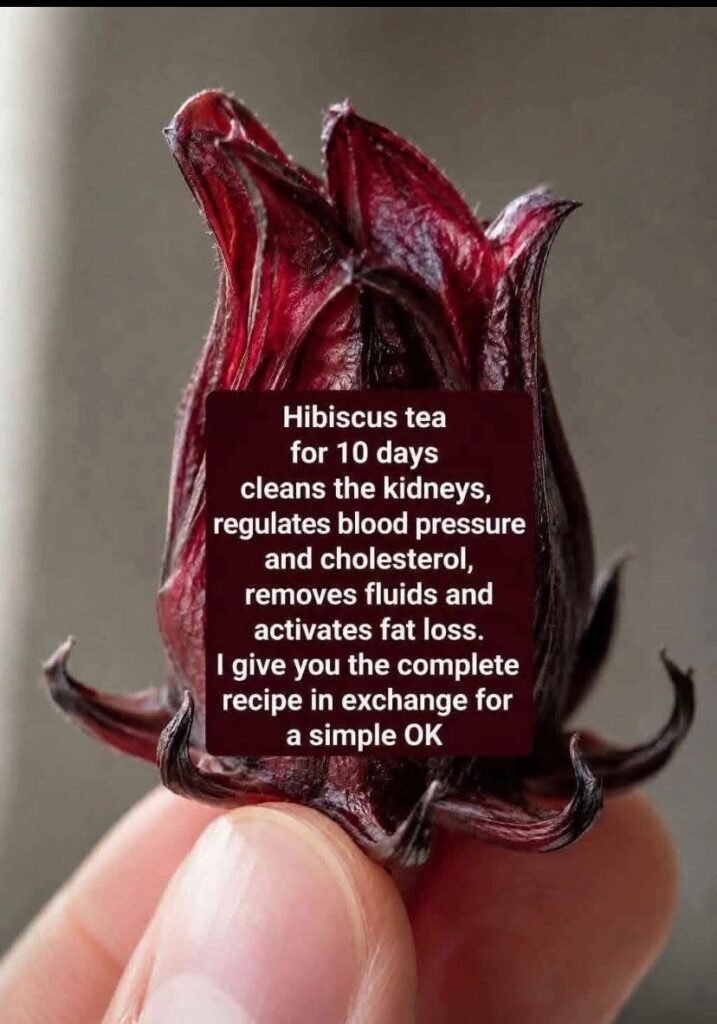
Hibiscus tea is a vibrant, naturally caffeine-free herbal infusion made from the dried calyces of Hibiscus sabdariffa. Known for its deep red color and pleasantly tart flavor, hibiscus tea has been consumed for generations in different parts of the world.
Hibiscus tea is a vibrant, naturally caffeine-free herbal infusion made from the dried calyces of Hibiscus sabdariffa. Known for its deep red color and pleasantly tart flavor, hibiscus tea has been consumed for generations in different parts of the world.
Today, it is increasingly popular among people interested in natural approaches to supporting cardiovascular health, maintaining healthy blood pressure, and improving overall nutrition.
But what can you realistically expect from drinking hibiscus tea for 10 days?
The answer is more nuanced than many wellness articles suggest. Scientific research indicates that hibiscus may help lower blood pressure, particularly in people with elevated blood pressure. However, a 10-day period is relatively short, and hibiscus tea should not be considered a replacement for prescribed medication or a balanced diet.
What Is Hibiscus Tea?
Hibiscus tea is usually prepared from the dried calyces of Hibiscus sabdariffa, sometimes called roselle or sorrel.
Unlike traditional tea made from Camellia sinensis, hibiscus contains no natural caffeine. Its characteristic red color comes largely from anthocyanins and other polyphenolic compounds.
Research has focused particularly on its potential effects on cardiovascular and metabolic health.
A 2022 systematic review and meta-analysis of 17 chronic randomized trials found that hibiscus consumption was associated with a reduction in systolic blood pressure compared with placebo. The effect was greater among participants who had higher blood pressure at the beginning of the studies.
What Could Happen After 10 Days?
It is important to set realistic expectations.
Drinking hibiscus tea for 10 days is unlikely to produce dramatic changes in body weight, cholesterol, or overall health. Most clinical studies examining hibiscus have lasted longer than 10 days, and researchers have used different preparations and doses.
Nevertheless, incorporating unsweetened hibiscus tea into a healthy routine may provide several potential benefits.
1. It May Support Healthy Blood Pressure
This is currently one of the better-supported potential benefits of hibiscus.
A meta-analysis published in 2015 analyzed five randomized controlled trials involving 390 participants and found that Hibiscus sabdariffa significantly reduced both systolic and diastolic blood pressure. The estimated average reductions were approximately 7.6 mmHg for systolic pressure and 3.5 mmHg for diastolic pressure.
More recent evidence has also been encouraging. A 2022 systematic review found that hibiscus reduced systolic blood pressure by about 7.1 mmHg compared with placebo, although the studies showed considerable variation in their results.
However, these findings do not mean that hibiscus tea can replace blood-pressure medication.
People taking antihypertensive drugs should speak with a healthcare professional before using hibiscus regularly, particularly if they are concerned about blood pressure becoming too low.
2. It Provides Polyphenols and Antioxidant Compounds
Hibiscus contains naturally occurring polyphenols and anthocyanins.
These compounds have antioxidant properties and are being investigated for their potential role in protecting cells from oxidative stress.
However, it is important to distinguish between laboratory evidence and proven clinical outcomes. The presence of antioxidants in a beverage does not automatically mean that drinking it will prevent disease.
For this reason, hibiscus tea is best viewed as one potentially beneficial component of an overall healthy diet rather than a standalone health treatment.
3. It Is Naturally Caffeine-Free
For people who want an alternative to coffee or caffeinated tea, hibiscus can be an appealing option.
A cup of unsweetened hibiscus tea can provide a flavorful, caffeine-free beverage without adding significant calories.
This can make it particularly useful as an alternative to sugary soft drinks and other sweetened beverages.
4. It May Support Cardiovascular Health
Blood pressure is only one component of cardiovascular health.
Research has also investigated whether hibiscus can influence cholesterol and other cardiometabolic markers.
A 2022 systematic review reported a modest reduction in LDL cholesterol compared with placebo or other teas. However, the evidence for these effects is less consistent than the evidence concerning blood pressure.
An updated 2025 umbrella review and dose-response meta-analysis examined 26 randomized controlled trials involving 1,797 participants. It reported reductions in blood pressure as well as improvements in several lipid and glucose-related markers, while also emphasizing the need for further research into dosage and long-term safety.
Can Hibiscus Tea Help With Weight Loss?
This is one area where online claims often go beyond the scientific evidence.
Hibiscus tea is naturally low in calories when consumed without sugar, so replacing high-calorie beverages with unsweetened hibiscus tea could indirectly support a calorie-conscious diet.
However, there is not enough evidence to conclude that drinking hibiscus tea for 10 days will cause meaningful fat loss.
Hibiscus should therefore not be promoted as a “fat-burning” or “detox” drink.
Sustainable weight management depends primarily on overall dietary intake, physical activity, sleep, and other lifestyle factors.
How to Prepare Hibiscus Tea
A simple preparation method is:
Ingredients
1–2 teaspoons dried hibiscus calyces
250–300 ml hot water
Lemon or lime, optional
A small amount of honey, optional
Method
Place the dried hibiscus in a cup or teapot.
Add hot water.
Steep for approximately 5–10 minutes.
Strain the tea.
Serve warm or allow it to cool and serve over ice.
To provide the best experiences, we use technologies like cookies to store and/or access device information. Consenting to these technologies will allow us to process data such as browsing behavior or unique IDs on this site. Not consenting or withdrawing consent, may adversely affect certain features and functions.
Functional
Always active
The technical storage or access is strictly necessary for the legitimate purpose of enabling the use of a specific service explicitly requested by the subscriber or user, or for the sole purpose of carrying out the transmission of a communication over an electronic communications network.
Preferences
The technical storage or access is necessary for the legitimate purpose of storing preferences that are not requested by the subscriber or user.
Statistics
The technical storage or access that is used exclusively for statistical purposes.The technical storage or access that is used exclusively for anonymous statistical purposes. Without a subpoena, voluntary compliance on the part of your Internet Service Provider, or additional records from a third party, information stored or retrieved for this purpose alone cannot usually be used to identify you.
Marketing
The technical storage or access is required to create user profiles to send advertising, or to track the user on a website or across several websites for similar marketing purposes.