Been Out of the Loop on Keyless Cars? 10 Things Every Driver Should Know
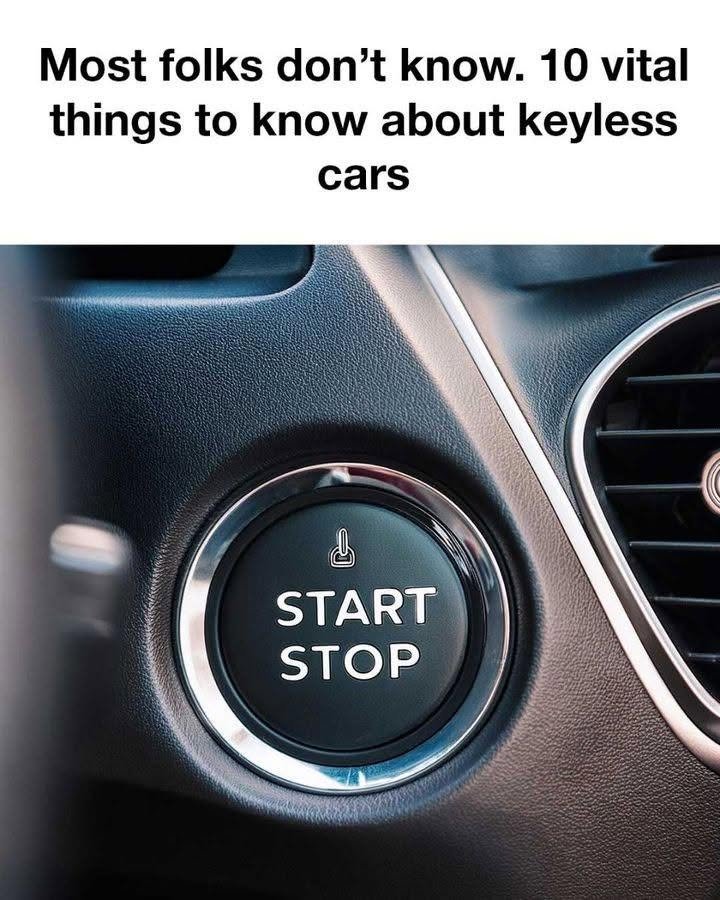
Hold the fob against the START button
Place the fob inside a designated slot
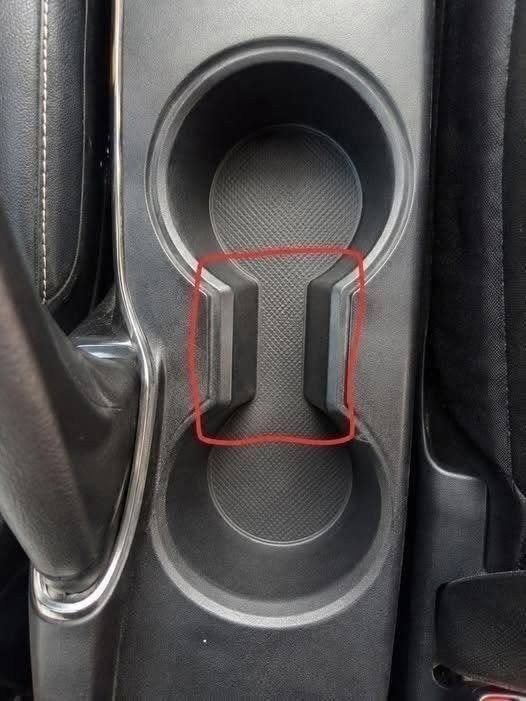
Put it in a particular area of the center console
Hold it near the steering column
NHTSA specifically notes that keyless ignition systems differ between vehicle models and recommends consulting the owner’s manual for normal and emergency operation. (NHTSA)
4. You Should Know How to Turn the Car Off
With a traditional ignition key, turning the key to the OFF position is obvious.
With a push-button system, it’s possible for drivers to become less aware of whether the vehicle is actually switched off.
NHTSA warns about situations in which drivers leave a keyless vehicle running after exiting, particularly in enclosed spaces where carbon monoxide can accumulate. (NHTSA)
Before walking away:
Check that the vehicle is actually off.
Also make sure the transmission is in Park and apply the parking brake where appropriate.
5. A Keyless Car Can Still Be Stolen
Keyless entry is convenient, but wireless technology has introduced another security concern: relay attacks.
In a relay attack, criminals can use equipment to extend the communication between a vehicle and its key fob, potentially making the car believe that the key is nearby when it isn’t. AAA describes relay attacks as one method used in keyless-car theft. (AAA)
The exact vulnerability varies considerably between vehicles.
6. Where You Keep Your Key Fob Matters
If you’re concerned about relay attacks, don’t simply leave your key fob near the front door or close to the outside wall of your home.
AAA recommends taking sensible precautions around keyless systems, including keeping the fob away from the vehicle when it isn’t being used. (AAA)
Some owners also use signal-blocking pouches designed for key fobs.
If you choose one, make sure it actually blocks your particular key’s signal.
7. Watch for a Weak Key-Fob Battery
Your car may give you a warning when the key-fob battery is getting weak, but you shouldn’t rely on that alone.
Replacing the small battery before it completely dies can save you a frustrating situation.
8. Keep the Spare Key in a Safe Place
A spare key isn’t very useful if it’s permanently sitting inside the locked car.
Keep your spare somewhere secure and accessible when needed.
If the main fob stops working unexpectedly, having a backup can save you from needing roadside assistance or a locksmith.
9. Learn the Emergency Procedure Before You Need It
This is perhaps the best advice for anyone with a push-button car.
Don’t wait until you’re standing in a parking lot with a dead key fob.
Take two minutes today and find the section of your owner’s manual that explains:
“Key not detected”
or
“Starting the vehicle with a discharged key-fob battery.”
You’ll then know exactly what to do if the battery suddenly fails.
10. Always Check Your Owner’s Manual
Online advice can be useful, but your owner’s manual is ultimately the most reliable source for your particular vehicle.
NHTSA recommends checking the manual because keyless ignition systems, warning systems, and emergency procedures differ between models. (NHTSA)
Your manual can tell you:
Where the emergency key is
Where the backup fob reader is located
How to start the car with a dead fob
How to replace the fob battery
What warnings mean
How to shut down the vehicle in an emergency
🚗 One More Thing: Don’t Forget the Basics
Keyless technology doesn’t eliminate the normal responsibilities of driving.
Before leaving your vehicle, get into the habit of checking:
✔️ Transmission in Park
✔️ Engine/vehicle propulsion switched off
✔️ Parking brake applied when appropriate
✔️ Key fob with you
✔️ Doors locked
NHTSA specifically recommends confirming that a keyless vehicle is actually off and in Park before walking away. (NHTSA)
Final Thoughts
Keyless cars are convenient, but they work differently from traditional vehicles.
The most useful thing you can learn isn’t a secret button or trick—it’s how your particular vehicle behaves when the key fob battery is weak or completely dead.
Knowing where the hidden mechanical key is, learning the emergency-start procedure, and understanding how to properly shut the vehicle down can save you a lot of frustration.
And remember: not every keyless car uses the same procedure. Always check your owner’s manual for model-specific instructions. (NHTSA)
👇 How Many of These Did You Know?
Did you already know that many keyless cars can still be started when the key-fob battery dies?
Or did you think a dead fob meant you were completely stuck?
Share this with another keyless-car owner who might need to know! 🚗🔑
To provide the best experiences, we use technologies like cookies to store and/or access device information. Consenting to these technologies will allow us to process data such as browsing behavior or unique IDs on this site. Not consenting or withdrawing consent, may adversely affect certain features and functions.
Functional
Always active
The technical storage or access is strictly necessary for the legitimate purpose of enabling the use of a specific service explicitly requested by the subscriber or user, or for the sole purpose of carrying out the transmission of a communication over an electronic communications network.
Preferences
The technical storage or access is necessary for the legitimate purpose of storing preferences that are not requested by the subscriber or user.
Statistics
The technical storage or access that is used exclusively for statistical purposes.The technical storage or access that is used exclusively for anonymous statistical purposes. Without a subpoena, voluntary compliance on the part of your Internet Service Provider, or additional records from a third party, information stored or retrieved for this purpose alone cannot usually be used to identify you.
Marketing
The technical storage or access is required to create user profiles to send advertising, or to track the user on a website or across several websites for similar marketing purposes.