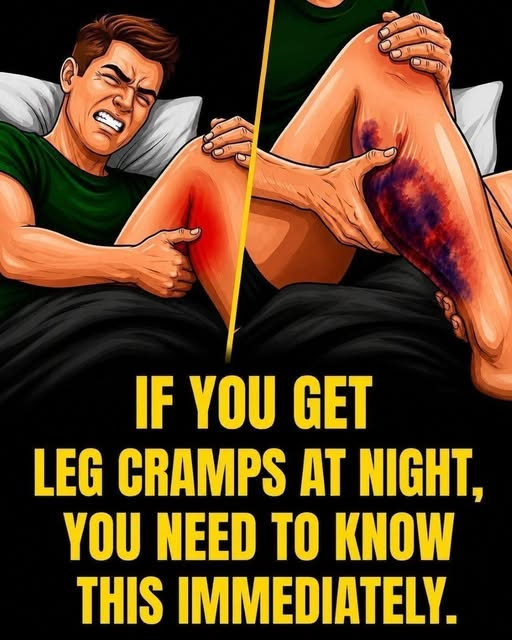
Have you ever woken up in the middle of the night with sudden, intense pain in your calf or foot? Nighttime leg cramps can be surprisingly painful, causing the affected muscle to tighten and making it difficult to move for several seconds or minutes.
The good news is that most nighttime leg cramps are temporary and harmless. However, if they happen frequently, interfere with your sleep, or occur alongside other symptoms, it is important to understand what might be causing them.
Here is what you should know about nighttime leg cramps, how to relieve them, and when to seek medical advice.
What Are Nighttime Leg Cramps?
Nighttime leg cramps, also called nocturnal leg cramps, are sudden, involuntary contractions of muscles during sleep or rest.
They most commonly affect the calf muscles, but they can also occur in the feet and thighs. The pain may last from a few seconds to several minutes, and the muscle may remain sore afterward.
Unlike restless legs syndrome, which usually causes an uncomfortable urge to move the legs, a true muscle cramp involves a painful, tightened muscle.
1. Muscle Fatigue and Overuse
One possible contributor to nighttime cramps is muscle fatigue.
Long periods of standing, strenuous exercise, or unfamiliar physical activity can leave muscles tired. Cramps may occur during the night as a result, although many nighttime cramps have no clearly identifiable cause.
What may help: Stretch gently after physical activity and before bedtime. Increase exercise intensity gradually, especially if you have recently become more active.
2. Dehydration and Fluid Loss
Not drinking enough fluids may contribute to muscle cramps, particularly after heavy sweating, exercise in hot weather, vomiting, or diarrhea.
However, dehydration is not the explanation for every nighttime cramp. Taking extra fluids will not necessarily stop cramps when another factor is responsible.
What may help: Drink fluids regularly throughout the day and replace fluid lost during strenuous activity. If you have been advised to restrict fluids because of a heart or kidney condition, follow your healthcare professional’s instructions.
3. Certain Medications
Some medicines may be associated with muscle cramps. These include certain blood pressure medications, such as diuretics, and some cholesterol-lowering medicines.
Do not assume your medication is responsible simply because cramps started after taking it. The relationship can be complicated, and the underlying condition may also contribute.
What may help: If cramps begin after starting a new medicine or changing a dose, speak with your doctor or pharmacist. Never stop a prescribed medication without medical advice.
4. Mineral or Electrolyte Imbalances
Minerals such as potassium, calcium, and magnesium are important for normal muscle and nerve function. Significant imbalances can contribute to muscle symptoms.
However, ordinary nighttime cramps do not automatically mean you have a magnesium or potassium deficiency. Taking supplements without knowing the cause may be unnecessary and, in some cases, harmful.
What may help: Eat a balanced diet and seek medical advice if cramps are persistent or you have risk factors for electrolyte disturbances. A healthcare professional can determine whether testing or supplementation is appropriate.
5. Pregnancy, Age, and Underlying Health Conditions
Nighttime cramps become more common with age and can also occur during pregnancy.
In some cases, recurrent cramps may be associated with medical conditions involving the kidneys, nerves, thyroid, or circulation. Often, however, no specific underlying cause is identified.
If cramps are new, severe, frequent, or accompanied by other symptoms, a medical assessment can help determine whether further investigation is needed.
How to Relieve a Leg Cramp Immediately
If a cramp wakes you up, try these steps:
Step 1: Gently stretch the muscle
For a calf cramp, straighten your leg and pull your toes toward your shin. Move slowly and avoid forcing the stretch.
Step 2: Massage the affected area
Gently rub the tight muscle to help it relax.
Step 3: Stand or walk carefully
If you can do so safely, stand up and place weight on the affected leg. Hold onto a stable surface if you feel unsteady.
Step 4: Try warmth
A warm towel, shower, or bath may help relax the muscle. Some people find gentle cooling helpful for soreness afterward.
If the pain is unusually severe or does not ease, seek medical attention rather than repeatedly forcing the muscle to stretch.
How to Reduce Nighttime Leg Cramps
Although not every cramp can be prevented, a few habits may help:
- Stretch your calf muscles gently before bedtime.
- Stay adequately hydrated throughout the day.
- Avoid sudden increases in strenuous exercise.
- Take short movement breaks if you sit for long periods.
- Review possible medication-related causes with your healthcare professional.
- Keep a record of when cramps occur, how long they last, and any accompanying symptoms.
If cramps repeatedly disrupt your sleep, do not simply accept them as a normal part of getting older. A healthcare professional may be able to identify contributing factors and discuss treatment options.
When Are Leg Cramps a Warning Sign?
Most isolated nighttime cramps are not dangerous. However, certain symptoms require closer attention.
Seek urgent medical care if you develop:
- One-sided leg swelling, warmth, redness, or persistent calf pain, particularly if these symptoms are new or unexplained.
- Leg pain or swelling accompanied by shortness of breath or chest pain. These symptoms may indicate a medical emergency.
- Severe, persistent pain or sudden difficulty walking.
Arrange a medical appointment if cramps occur frequently, last longer than about 10 minutes, disturb your sleep regularly, or are accompanied by numbness, muscle weakness, or persistent swelling.
A painful, swollen, discolored leg should not automatically be treated as an ordinary muscle cramp.
Frequently Asked Questions
Do nighttime leg cramps mean I have a vitamin deficiency?
Not necessarily. Many cramps occur without an identifiable cause. Nutritional deficiencies or electrolyte disturbances are possible in some cases, but supplements should not be taken automatically.
Should I take magnesium for leg cramps?
Magnesium is essential for normal muscle function, but supplementation does not reliably help everyone with ordinary nighttime cramps. Ask a healthcare professional whether it is appropriate for you, especially if you have kidney problems or take medication.
Can drinking water before bed prevent leg cramps?
Maintaining hydration throughout the day may help if fluid loss contributes to your cramps. Drinking large amounts immediately before bedtime is not a guaranteed solution and may interrupt sleep by making you urinate more often.
Are leg cramps at night dangerous?
Most are harmless and resolve within minutes. Frequent cramps or cramps accompanied by swelling, weakness, redness, or other concerning symptoms deserve medical evaluation.
Why does my leg still hurt after a cramp?
A muscle may remain sore for hours or occasionally longer after a strong contraction. Persistent or worsening pain, particularly with swelling or skin changes, should be assessed by a healthcare professional.
Final Thoughts
Nighttime leg cramps can be painful and disruptive, but they are often manageable with gentle stretching and simple lifestyle measures.
The most important step is to pay attention to the pattern. Occasional cramps may not signal a serious problem, while frequent episodes or symptoms such as swelling, redness, or muscle weakness may require medical evaluation.
Rather than automatically reaching for supplements, focus on safe relief, balanced nutrition, and identifying possible causes with the help of a healthcare professional.
Your body deserves attention, but not every nighttime cramp is a sign of a serious disease. Knowing the difference can help you respond calmly and appropriately.
Medical disclaimer: This article is for educational purposes only and does not replace professional medical advice, diagnosis, or treatment.