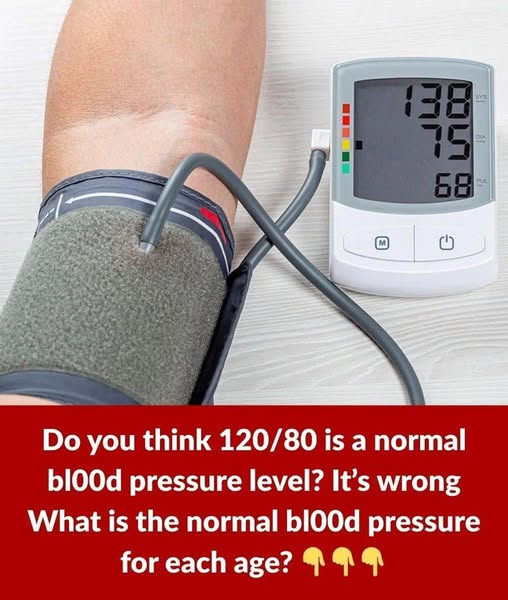
Blood pressure is one of the most important measurements for understanding cardiovascular health. Whether you are in your 20s, 40s, 60s, or 80s, knowing your blood pressure can help you identify potential problems early and protect your long-term health.
You may have seen charts claiming that everyone should have a different blood pressure target depending on their age. However, the truth is more nuanced: there is no single universal blood pressure chart that determines the ideal reading for every age group. Your overall health, medical history, medications, and repeated measurements all matter.
What Do the Two Blood Pressure Numbers Mean?
A blood pressure reading contains two numbers, usually written like 120/80 mmHg.
- Systolic pressure (the top number): The pressure in your arteries when your heart contracts and pumps blood.
- Diastolic pressure (the bottom number): The pressure in your arteries between heartbeats, when your heart relaxes.
Both numbers are important. A reading can be considered high if either number is elevated, even when the other number is within a healthy range.
What Is Normal Blood Pressure for Adults?
According to the American Heart Association, the following categories are used to classify blood pressure in adults.
| Category | Systolic (top) | Diastolic (bottom) |
|---|---|---|
| Normal | Below 120 | Below 80 |
| Elevated | 120–129 | Below 80 |
| High blood pressure, Stage 1 | 130–139 | 80–89 |
| High blood pressure, Stage 2 | 140 or higher | 90 or higher |
| Severely high | Higher than 180 and/or higher than 120 |
These categories are general adult guidelines, not age-specific targets. The severe range requires prompt attention; if the reading is higher than 180 systolic and/or 120 diastolic, wait at least one minute and measure again. If it remains that high, contact a healthcare professional immediately. If you also have chest pain, shortness of breath, weakness, numbness, vision changes, or difficulty speaking, seek emergency care.
Does Normal Blood Pressure Change With Age?
Blood pressure can change as people get older. Arteries may become less flexible, and other health conditions can influence blood pressure. However, this does not mean that high blood pressure is automatically normal or harmless in older adults.
Here is a practical overview by age group.
Ages 18–29
Young adults should pay attention to their blood pressure even if they feel healthy. High blood pressure often causes no obvious symptoms.
A reading below 120/80 mmHg is considered normal under commonly used U.S. adult guidelines.
Ages 30–39
Blood pressure may begin to rise because of factors such as genetics, weight changes, stress, diet, or reduced physical activity.
Regular measurements can help identify a rising trend before it becomes a long-term problem.
Ages 40–49
Blood pressure deserves particular attention during these years because cardiovascular risk factors may accumulate over time.
A consistently elevated reading should be discussed with a healthcare professional rather than dismissed as a normal part of aging.
Ages 50–59
Arterial stiffness and other age-related changes may contribute to higher systolic pressure. Regular monitoring, physical activity, a balanced diet, and appropriate medical care can help manage risk.
Ages 60–69
Many adults in this age group develop high blood pressure, but the appropriate treatment target depends on their overall health and circumstances.
A clinician may consider other conditions, medications, dizziness, and the risk of falls when deciding on an individualized treatment plan.
Ages 70–79
Blood pressure management remains important for reducing cardiovascular risk. However, frailty, kidney function, other medical conditions, and tolerance of treatment can affect the best approach.
Do not stop blood pressure medication or change your target based on age alone.
Ages 80 and Older
Older adults can still benefit from blood pressure assessment and treatment when appropriate. The goal should be individualized, balancing the benefits of preventing cardiovascular complications against possible side effects such as dizziness or low blood pressure when standing.
Important: These age groups do not have separate universal normal ranges. Your clinician can help determine the most appropriate target for your circumstances.
What About Children and Teenagers?
Children’s blood pressure is assessed differently from adults’. For younger children, clinicians consider age, sex, and height when interpreting readings. Teenagers are assessed using age-appropriate clinical guidelines.
Adult blood pressure charts should not be used to diagnose high blood pressure in a young child. If a child’s reading is repeatedly elevated, a pediatric healthcare professional should evaluate it.
How to Measure Blood Pressure Correctly at Home
An inaccurate measurement can make your blood pressure appear higher or lower than it really is. Follow these steps for a more reliable result:
- Avoid smoking, caffeine, and exercise for at least 30 minutes before measuring.
- Empty your bladder and sit quietly for five minutes.
- Sit with your back supported and both feet flat on the floor.
- Place the cuff on bare skin and support your arm at heart level.
- Do not talk or use your phone during the measurement.
- Take two readings about one minute apart and record both.
Use a validated automatic upper-arm monitor with a cuff that fits correctly. If you are monitoring high blood pressure, take measurements at consistent times and follow your healthcare professional’s instructions.
A single reading does not usually establish a diagnosis. Repeated measurements and, in some cases, home or ambulatory monitoring help clinicians assess the pattern.
Seven Habits That Support Healthy Blood Pressure
Small, consistent changes can make a meaningful difference.
1. Reduce excess salt
Choose less heavily salted and highly processed food. If you have a medical condition that affects your diet, ask your clinician for individualized advice.
2. Eat a balanced diet
Include vegetables, fruits, whole grains, and suitable sources of protein. A heart-healthy eating pattern can help support blood pressure control.
3. Stay physically active
Regular activity, such as brisk walking, can support cardiovascular health. Choose an activity appropriate for your fitness and medical condition.