
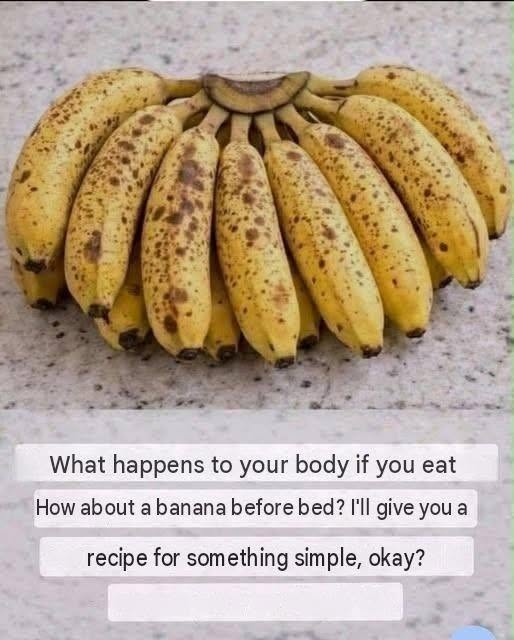
Bananas are one of the most popular fruits in the world, and for good reason. They are naturally sweet, easy to prepare, and provide important nutrients that support everyday health. But what happens if you eat a banana before going to bed? Could this simple nighttime snack support better sleep, digestion, or muscle function?
Although bananas are not a miracle food, eating one in the evening can be a nutritious choice for many people. Here is what you should know about the potential benefits, the nutritional value of bananas, and when it may be better to choose a different snack.
1. You May Feel More Satisfied Before Bed
Going to bed hungry can make it harder to feel comfortable and settle down for the night. A banana provides carbohydrates and dietary fiber, which can help make a light snack more satisfying.
A medium banana can be a convenient alternative to cookies, candy, or other snacks with large amounts of added sugar. If you often feel hungry in the evening, a banana may help you avoid going to bed with an uncomfortable empty stomach.
For a more filling snack, consider pairing a banana with plain yogurt or a small serving of unsalted nuts.
2. Bananas Provide Nutrients That Support Normal Muscle Function
Bananas are well known for their potassium content. Potassium is an essential mineral that helps regulate fluid balance and supports normal muscle contraction and nerve function.
Eating a banana at night can contribute to your daily potassium intake, but it is important to keep expectations realistic. A banana is not a guaranteed remedy for nighttime muscle cramps, and cramps can have many different causes.
If you regularly experience painful cramps, especially alongside weakness or other unusual symptoms, speak with a healthcare professional rather than relying on a particular food.
3. They May Support Your Evening Routine, but They Are Not a Sleep Treatment
You may have heard that eating a banana before bed helps you sleep. There is a scientific reason people discuss this idea: bananas contain vitamin B6 and small amounts of tryptophan, a building block used in the body’s production of substances involved in normal sleep regulation.
However, the presence of these nutrients does not mean that eating a banana will automatically make you sleepy. Research specifically examining bananas as a treatment for insomnia remains limited.
If you enjoy eating a banana in the evening, it can be part of a relaxing bedtime routine. For more consistent sleep, try maintaining regular sleep and wake times, reducing caffeine late in the day, and keeping your bedroom quiet and comfortable.
4. The Fiber Can Help Support Digestive Health
Bananas contain dietary fiber, which helps support normal bowel function. Getting enough fiber from a variety of fruits, vegetables, legumes, and whole grains can help maintain digestive health.
A banana may be a useful addition to a balanced diet, but its effect on digestion depends on your overall eating habits and individual tolerance.
Some people find bananas easy to digest, while others may experience bloating or discomfort after eating them. If you notice that late-night snacks interfere with your comfort or sleep, try eating earlier or adjusting the portion.
5. Bananas Supply Energy Without Being a Heavy Meal
A banana contains natural carbohydrates that provide energy. It is also easy to prepare and does not require cooking, making it a practical option when you want something small in the evening.
However, bananas still contain carbohydrates and natural sugars. Eating one at night does not automatically cause weight gain, just as eating one during the day does not guarantee weight loss.
Changes in body weight depend on your overall energy intake, activity level, eating patterns, and other individual factors. What matters most is your overall dietary pattern rather than the time you eat a single fruit.
6. They Contribute to Your Daily Nutrient Intake
Bananas provide several nutrients, including potassium, vitamin B6, and fiber. These nutrients help support normal body functions as part of a varied and balanced diet.
Here is an approximate nutritional overview of one medium banana:
- Calories: about 105
- Carbohydrates: about 27 grams
- Dietary fiber: about 3 grams
- Potassium: about 420 milligrams
- Vitamin B6: about 0.4 milligrams
Actual values vary depending on the size and ripeness of the fruit.
Is There a Best Time to Eat a Banana at Night?
There is no universally established best time. If you enjoy a banana as an evening snack, you can eat it when you feel hungry, allowing enough time before lying down if eating immediately before bed causes discomfort.
You do not need to eat a banana at a specific hour to receive its nutritional benefits. Consistency, portion size, and your overall eating habits are more important than following a strict nighttime schedule.
Who Should Be Careful About Eating Bananas at Night?
Most people can enjoy bananas as part of a balanced diet. However, individual circumstances matter.
People managing diabetes: Bananas contain carbohydrates that can affect blood glucose. Pay attention to portion size and follow the dietary advice provided by your healthcare team.
People with chronic kidney disease: Some people with kidney disease need to limit potassium, depending on their kidney function and blood test results. Ask your clinician or renal dietitian how bananas fit into your eating plan.
People who experience digestive discomfort: If bananas or late-night snacks cause bloating, reflux, or discomfort, consider changing the portion or eating earlier.
Frequently Asked Questions
Does eating a banana before bed help you sleep better?
A banana provides nutrients involved in normal body functions, but strong evidence that bananas directly improve sleep or treat insomnia is lacking. It may help if hunger is keeping you awake, but it is not a substitute for appropriate sleep habits or medical care.
Will eating a banana at night make me gain weight?
Not automatically. Weight change depends on your overall calorie intake, activity, and other factors. A banana can fit into a balanced eating plan at any time of day.
Can I eat a banana every night?
For most people, eating a banana daily is reasonable as part of a varied diet. People who have been advised to limit potassium should seek individualized guidance.