Blood Pressure by Age: What Numbers Are Considered Normal?
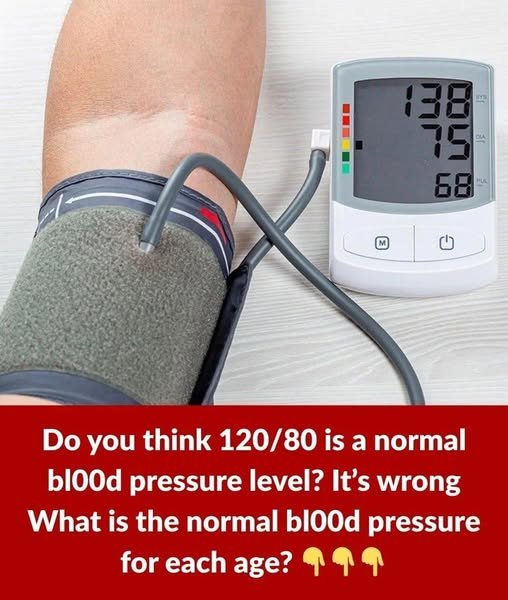
Blood pressure is one of the simplest health measurements we can check, yet many people are unsure what their numbers actually mean. You may have seen 120/80 mm Hg described as “normal,” but blood pressure categories are not simply determined by age.
For adults, current American Heart Association guidance defines normal blood pressure as below 120/80 mm Hg. A reading of 120–129 systolic with a diastolic below 80 is considered elevated, while 130–139 systolic or 80–89 diastolic falls into stage 1 hypertension. (professional.heart.org)
What Do the Two Numbers Mean?
A blood pressure reading contains two numbers:
Systolic pressure: the top number, measuring pressure when the heart beats.
Diastolic pressure: the bottom number, measuring pressure while the heart rests between beats.
For example, a reading of 118/76 mm Hg means a systolic pressure of 118 and a diastolic pressure of 76.
Adult Blood Pressure Categories
Category
Systolic
Diastolic
Normal
Less than 120
Less than 80
Elevated
120–129
Less than 80
Stage 1 hypertension
130–139
80–89
Stage 2 hypertension
140 or higher
90 or higher
Severe hypertension
Higher than 180
and/or higher than 120
These categories apply to adults. A reading should be interpreted in context, and a diagnosis of hypertension should not be based on a single isolated measurement. (professional.heart.org)
Is 120/80 Normal?
120/80 is very close to the traditional “normal” reference point, but current adult guidelines define normal as below 120/80.
That means a reading of exactly 120/80 does not fall entirely within the “normal” category under the current classification: the systolic value is in the elevated range and the diastolic value reaches the stage 1 threshold. (professional.heart.org)
This does not mean that one reading of 120/80 automatically means you have hypertension. Blood pressure naturally changes throughout the day and can be affected by stress, activity, caffeine, illness, and the measurement conditions.
Does Normal Blood Pressure Change With Age?
A common misconception is that there is one specific “normal” blood pressure number for every age group.
For adults, the current classification is based on the blood-pressure values themselves rather than assigning a separate normal number to each decade of life. Older adults can therefore still have blood pressure that falls within the normal range. (professional.heart.org)
Children and adolescents are different: their blood pressure is interpreted using age-, sex-, and height-related references, so adult categories should not simply be applied to young children.
How to Measure Blood Pressure Correctly
Getting an accurate measurement is just as important as knowing the numbers.
Before measuring:
Sit quietly for about 5 minutes.
Keep your back supported and your feet flat on the floor.
Rest your arm comfortably at heart level.
Avoid talking during the measurement.
Take two readings about one minute apart and record the results.
The American Heart Association recommends taking careful measurements and tracking readings rather than relying on one isolated number. (American Heart Association)
When Is Blood Pressure Too High?
Consistently high readings deserve attention. According to the current AHA categories, 140/90 mm Hg or higher falls into stage 2 hypertension, while readings above 180/120 mm Hg require particular attention. (www.heart.org)
If blood pressure is above 180/120 and symptoms such as chest pain, shortness of breath, weakness, changes in vision, or difficulty speaking occur, emergency medical care is needed. (www.heart.org)
Lifestyle Habits That Support Healthy Blood Pressure
Healthy habits can play an important role in maintaining or improving blood pressure. Current recommendations include:
Eating a heart-healthy diet
Limiting excess sodium
Staying physically active
Maintaining a healthy weight
Managing stress
Getting adequate sleep
Avoiding or limiting alcohol
These measures are recommended as part of blood-pressure prevention and management. (professional.heart.org)
Final Thoughts
Blood pressure is more complicated than simply asking whether 120/80 is “normal.” The most important thing is to understand the two numbers, measure them correctly, and pay attention to consistent patterns over time.
For adults, less than 120/80 mm Hg is considered normal, while higher readings may fall into elevated blood pressure or hypertension categories. If your readings are repeatedly high or unusually low, discuss them with a qualified healthcare professional. (professional.heart.org)
Important: This article is for general educational purposes and does not replace medical advice or an individual evaluation by a healthcare professional.
To provide the best experiences, we use technologies like cookies to store and/or access device information. Consenting to these technologies will allow us to process data such as browsing behavior or unique IDs on this site. Not consenting or withdrawing consent, may adversely affect certain features and functions.
Functional
Always active
The technical storage or access is strictly necessary for the legitimate purpose of enabling the use of a specific service explicitly requested by the subscriber or user, or for the sole purpose of carrying out the transmission of a communication over an electronic communications network.
Preferences
The technical storage or access is necessary for the legitimate purpose of storing preferences that are not requested by the subscriber or user.
Statistics
The technical storage or access that is used exclusively for statistical purposes.The technical storage or access that is used exclusively for anonymous statistical purposes. Without a subpoena, voluntary compliance on the part of your Internet Service Provider, or additional records from a third party, information stored or retrieved for this purpose alone cannot usually be used to identify you.
Marketing
The technical storage or access is required to create user profiles to send advertising, or to track the user on a website or across several websites for similar marketing purposes.