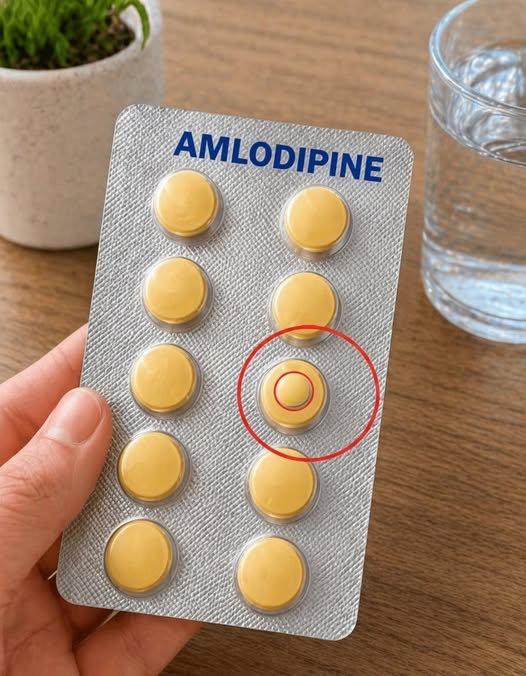
If you take amlodipine to manage high blood pressure, your daily habits can make an important difference in your overall cardiovascular health. While the medication helps relax blood vessels and lower blood pressure, it works best as part of a consistent treatment plan.
Amlodipine is commonly prescribed for hypertension and certain types of angina, or chest pain. Like all medicines, it can cause side effects, and some other medications, supplements, foods, and lifestyle choices may affect your treatment.
The good news is that a few practical changes can help you use your medication safely and support healthier blood pressure levels.
Here are eight habits worth reviewing if you take amlodipine.
1. Skipping Doses or Taking Your Medication at Random Times
One of the most important habits to avoid is frequently forgetting your medication.
Amlodipine is usually taken once a day. Taking it consistently helps maintain its blood-pressure-lowering effect. Missing doses repeatedly can make your blood pressure harder to control.
What you can do:
- Take your medication at the time recommended by your healthcare professional.
- Set a daily reminder on your phone.
- Use a medication organizer if it is suitable for your prescription.
- Keep track of missed doses.
If you forget a dose, follow the instructions in your medication leaflet or ask a pharmacist what to do. Do not double your next dose to make up for a missed one.
2. Stopping Amlodipine Because You Feel Better
High blood pressure often causes no obvious symptoms. You may feel perfectly healthy while your blood pressure remains elevated.
That is why feeling better does not necessarily mean you no longer need treatment.
Amlodipine helps control blood pressure but does not cure the underlying condition. Stopping it without medical guidance may allow your blood pressure to rise again.
A safer approach: Continue taking amlodipine as prescribed, even if your home readings improve. If you experience side effects or believe your blood pressure is too low, contact your healthcare professional to discuss whether your treatment needs adjusting.
Never stop or change your dose on your own.
3. Eating Too Much Salt
A high-sodium diet can contribute to elevated blood pressure. Common sources include processed meats, packaged soups, salty snacks, instant meals, canned foods with added salt, and restaurant meals.
Amlodipine can help lower blood pressure, but it does not cancel out the effects of consistently consuming too much sodium.
Try these changes:
- Choose fresh or minimally processed foods more often.
- Compare sodium levels on food labels.
- Use herbs, spices, garlic, lemon, or other seasonings instead of relying heavily on salt.
- Follow any sodium restriction recommended by your clinician.
You do not need a perfect diet overnight. Small, sustainable changes can help support long-term blood pressure management.
4. Drinking Alcohol Without Considering Its Effects
Alcohol can lower blood pressure further in some people taking amlodipine and may increase the likelihood of dizziness or lightheadedness.
These effects can be particularly concerning if you are older, already have low blood pressure, or take other medicines that lower blood pressure.
If you drink alcohol, ask your healthcare professional or pharmacist whether it is appropriate for you and whether you should avoid it. Avoid alcohol if it makes you dizzy or unwell, and do not drive when experiencing these symptoms.
5. Ignoring Possible Medication Interactions
Amlodipine can interact with certain prescription medicines, over-the-counter products, and herbal remedies.
Some medicines may increase amlodipine levels or add to its blood-pressure-lowering effects. Examples of medicines that may require review include certain antibiotics, antifungal treatments, other blood pressure medicines, and some cholesterol-lowering drugs.
Grapefruit and grapefruit juice are also listed as products to avoid or check carefully in some amlodipine patient leaflets because of a possible interaction. Guidance can vary by product information, so ask your pharmacist about the instructions for your specific prescription.
Make this a habit: Tell your doctor or pharmacist about all the medicines, vitamins, supplements, and herbal products you use. Before starting a new medicine or supplement, check whether it is compatible with amlodipine.
Do not discontinue another prescribed medication simply because you read about a possible interaction online.
6. Living a Sedentary Lifestyle
Regular physical activity can help support healthy blood pressure, improve fitness, and contribute to maintaining a healthy weight.
You do not necessarily need an intense workout routine. Activities such as walking, cycling, swimming, or other exercises suited to your health and ability can be beneficial.
A practical starting point:
- Take a short walk most days.
- Increase your activity gradually.
- Break up long periods of sitting.
- Ask your healthcare professional which activities are appropriate if you have heart disease, chest pain, or other medical limitations.
If exercise causes chest pain, faintness, or unusual shortness of breath, stop and seek appropriate medical advice. Severe or persistent symptoms require emergency assessment.
7. Smoking or Using Tobacco Products
Smoking damages blood vessels and increases the risk of heart disease and stroke. Even when medication helps control blood pressure, smoking continues to pose important cardiovascular risks.
Quitting smoking is one of the most valuable steps you can take for your overall health.
If you smoke, consider speaking with a healthcare professional about a quit plan, counseling, or appropriate cessation treatments. Reducing exposure to secondhand smoke can also be helpful.
Remember that amlodipine treats certain cardiovascular problems, but it does not eliminate all the risks associated with tobacco use.
8. Ignoring Your Blood Pressure Readings or Side Effects
Taking medication is only one part of managing high blood pressure. Monitoring your readings and reporting troublesome symptoms can help your healthcare professional determine whether your treatment is working as intended.
Common side effects of amlodipine may include:
- Swelling in the ankles, feet, or lower legs
- Headaches
- Dizziness
- Flushing
- Tiredness
- Nausea or abdominal discomfort
Not everyone experiences these effects. If swelling, dizziness, or another symptom persists or interferes with daily life, contact your healthcare professional rather than simply tolerating it or stopping the medicine yourself.
For more reliable home readings:
- Sit quietly for five minutes before measuring.
- Keep your back supported and feet flat on the floor.
- Rest your arm at heart level.
- Use a properly fitting upper-arm cuff when possible.
- Take two readings about one minute apart.
- Record the results and share them with your clinician.
Seek emergency medical help if you experience severe chest pain, difficulty breathing, fainting, or symptoms suggestive of a stroke.
What Else Can Help Amlodipine Treatment Work Well?
In addition to avoiding these habits, consider building a sustainable routine that includes:
- Eating a balanced diet with plenty of vegetables, fruit, and other fiber-rich foods.
- Maintaining a healthy weight where appropriate.
- Getting sufficient sleep.
- Managing stress in ways that work for you.
- Attending recommended medical appointments.
- Taking medication exactly as prescribed.
Your personal blood pressure target may differ depending on your age, medical history, other conditions, and treatment plan. Your healthcare professional can help you determine what readings are appropriate for you.
Frequently Asked Questions
Can I take amlodipine in the morning or at night?
Amlodipine is usually taken once daily and can generally be taken with or without food. Follow your prescription instructions and try to take it at a consistent time each day. Ask your pharmacist if you are unsure about changing the timing.
Can I stop taking amlodipine if my blood pressure is normal?
Do not stop it without consulting your healthcare professional. Your readings may be normal because the medication is controlling your blood pressure.
What should I do if amlodipine makes my ankles swell?
Ankle and foot swelling is a recognized side effect. Contact your healthcare professional if it persists, worsens, or bothers you. They can assess the cause and discuss treatment options. Seek urgent care if swelling occurs with severe shortness of breath or chest pain.
Does amlodipine work immediately?
Amlodipine begins working after you start taking it, but the full blood-pressure-lowering effect may take time to develop. Continue following your prescribed treatment plan and monitor your readings as advised.
Is amlodipine enough to control high blood pressure?
It can be effective, but some people also need other medicines or lifestyle changes. The appropriate plan depends on individual health needs and should be determined by a healthcare professional.
Final Thoughts
Amlodipine can be an effective part of managing high blood pressure and certain types of chest pain. Taking it consistently, limiting excess salt, staying active, avoiding tobacco, checking possible drug interactions, and monitoring your blood pressure can all support better cardiovascular care.
The most important rule is simple: never change or stop your prescribed medication without professional guidance. If you have side effects or your blood pressure remains high, your healthcare professional can help you find a safer and more effective plan.
This article is for educational purposes only and is not a substitute for personalized medical advice.