Step-by-Step Instructions
Step 1: Brown the Chicken
Heat the oil or lard in a large Dutch oven over medium heat.
Lightly brown the chicken pieces on both sides for about 4–5 minutes per side.
Remove the chicken and set aside.
Step 2: Cook the Onion Base
In the same pot, cook the onions until soft and lightly golden, about 8–10 minutes.
Add the garlic and cook for another minute.
Remove the pot briefly from the heat and stir in the Hungarian paprika to prevent it from burning.
Return the pot to the heat.
Step 3: Build the Sauce
Add:
- Tomato paste
- Diced tomato
- Green bell pepper
Cook for 5 minutes.
Pour in the chicken broth and add the bay leaf.
Return the chicken to the pot.
Season with salt and black pepper.
Cover and simmer for 40–45 minutes, until the chicken is tender.
Step 4: Finish the Sauce
In a small bowl, whisk together the sour cream and flour until smooth.
Slowly stir a few spoonfuls of the hot cooking liquid into the sour cream mixture to temper it.
Add the tempered mixture back into the pot.
Simmer gently for 5 minutes, stirring until the sauce becomes creamy and slightly thickened.
Do not allow the sauce to boil after adding the sour cream.
How to Make Hungarian Nokedli
Step 1
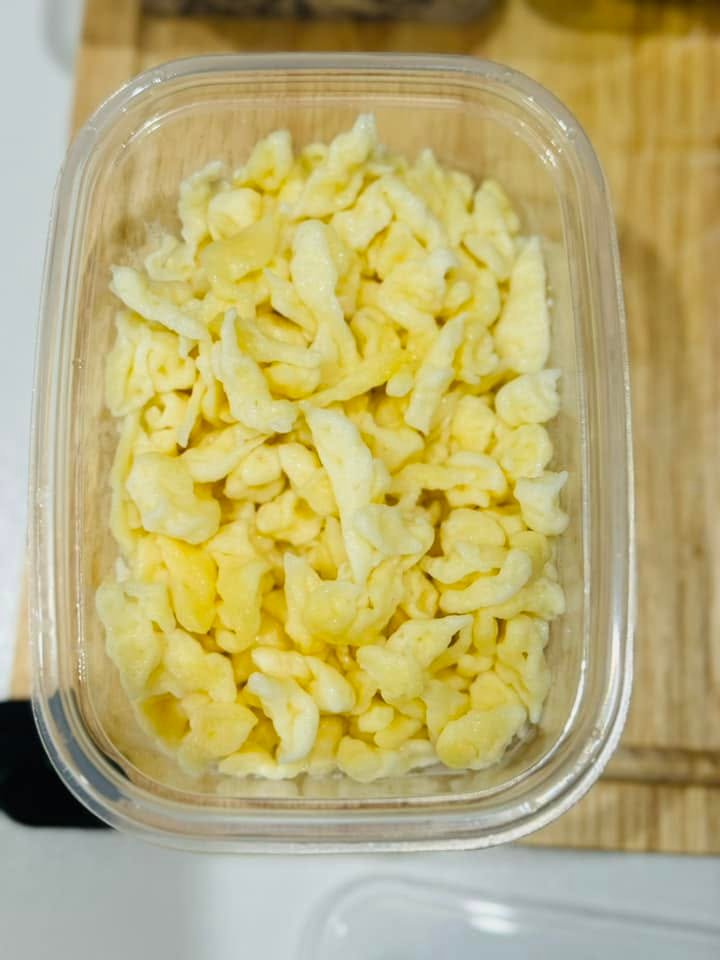
Mix the flour, eggs, salt, and enough water to create a thick, sticky batter.
Let it rest for 10 minutes.
Step 2
Bring a large pot of salted water to a gentle boil.
Using a Nokedli maker or Spaetzle maker, press the batter into the boiling water.
Cook until the dumplings float to the surface, about 2–3 minutes.
Drain well.
Step 3
Toss the cooked dumplings with butter to prevent sticking.
Traditional Variations
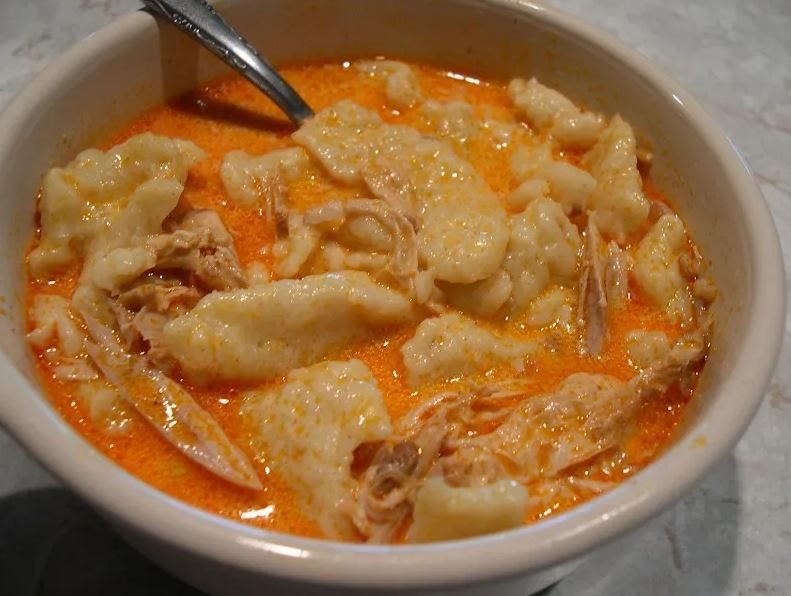
Classic Chicken Paprikash
Prepared with bone-in chicken and served with Nokedli.
Boneless Version
Made with chicken thighs or chicken breast.
Mushroom Paprikash
Fresh mushrooms replace the chicken for a vegetarian alternative.
Spicy Paprikash
Prepared with hot Hungarian paprika for extra heat.
Bacon Paprikash
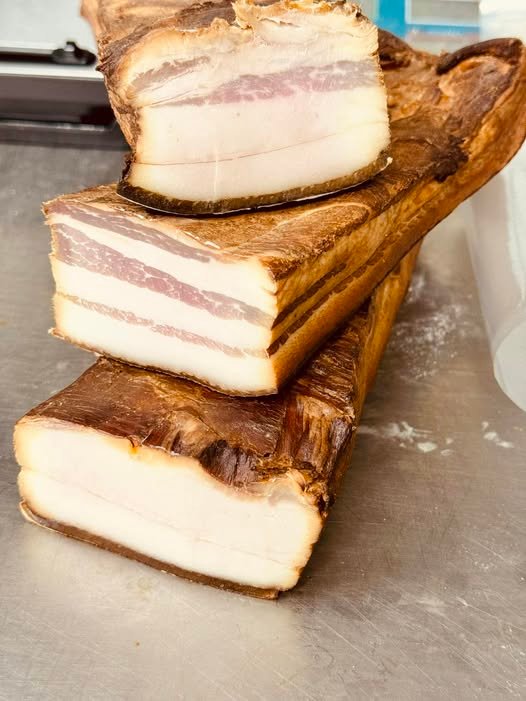
Smoked bacon is added to the onion base for a richer flavor.
Tips for Perfect Chicken Paprikash
- Always use authentic Hungarian sweet paprika.
- Remove the pot from the heat before adding paprika to avoid bitterness.
- Bone-in chicken provides the richest flavor.
- Temper the sour cream before adding it to the sauce.
- Simmer gently after adding the sour cream to prevent curdling.
- Serve immediately with freshly made Nokedli.
What to Serve with Chicken Paprikash
This traditional Hungarian dish pairs perfectly with:
- Hungarian Nokedli (egg dumplings)
- Buttered noodles
- Steamed rice
- Mashed potatoes
- Fresh crusty bread
- Cucumber salad (Uborkasaláta)
- Pickled vegetables
Storage Instructions
Refrigerator
Store in an airtight container for up to 4 days.
Freezer
Freeze the chicken and sauce for up to 3 months.
For the best texture, prepare fresh Nokedli when serving.
Reheating
Warm gently over low heat, stirring occasionally.
Avoid boiling the sauce after reheating to keep it smooth and creamy.
Frequently Asked Questions
Why is Hungarian paprika so important?
Authentic Hungarian paprika provides the signature sweet, smoky flavor and vibrant red color that defines Chicken Paprikash.
Can I use chicken breast?
Yes, but chicken thighs remain juicier and more flavorful after simmering.
What are Nokedli?
Nokedli are traditional Hungarian egg dumplings similar to German Spätzle. They are the classic accompaniment to Chicken Paprikash.
Can I make Chicken Paprikash ahead of time?
Absolutely. The flavors deepen overnight, making leftovers even more delicious.
Can I make it gluten-free?
Yes. Use gluten-free flour for both the dumplings and the sour cream thickener.
Nutrition (Approximate Per Serving)
- Calories: 540
- Carbohydrates: 34g
- Protein: 35g
- Fat: 29g
- Saturated Fat: 10g
- Fiber: 3g
- Sodium: 760mg
Final Thoughts
Hungarian Chicken Paprikash with Nokedli is one of the country’s most treasured comfort foods. Tender chicken, a silky paprika-infused sour cream sauce, and soft homemade egg dumplings come together in a meal that is rich, satisfying, and full of authentic Hungarian flavor. Whether you’re cooking for a family dinner or exploring traditional Central European cuisine, this timeless recipe is sure to become a favorite at your table.