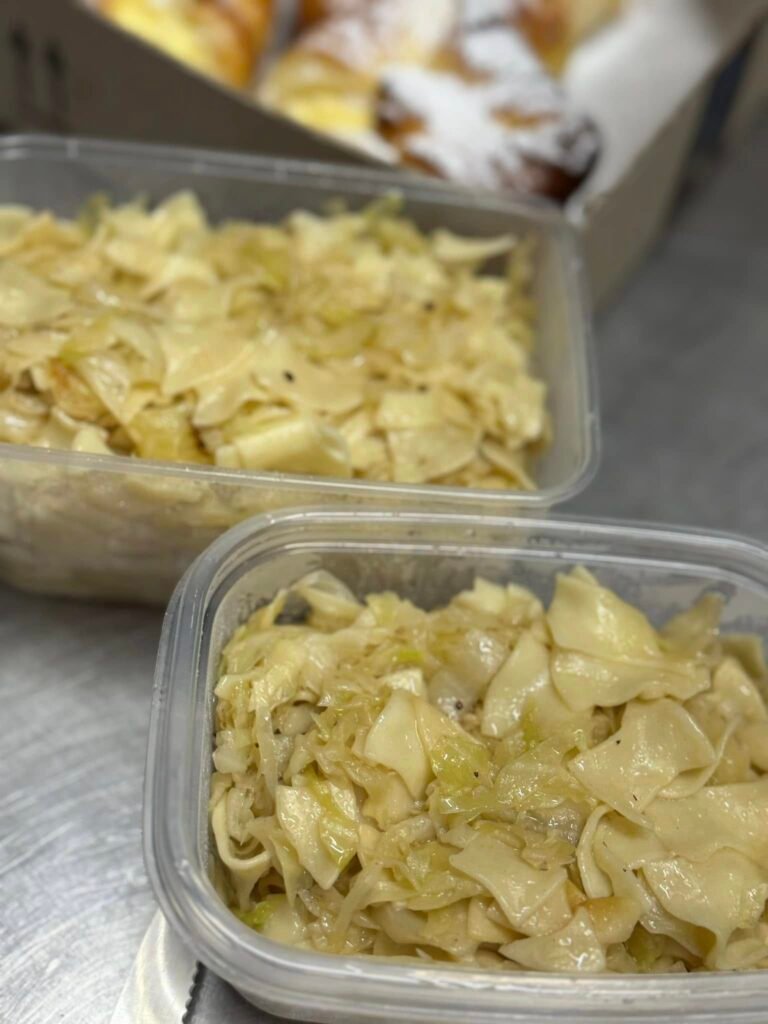
Step-by-Step Instructions
Step 1: Prepare the Cabbage
Remove the outer leaves and core from the cabbage.
Finely shred the cabbage.
Sprinkle with the salt and let it sit for 15–20 minutes.
Squeeze out any excess moisture.
Step 2: Caramelize the Cabbage
Heat the butter and vegetable oil in a large skillet over medium heat.
Add the sliced onions and cook until softened.
Sprinkle in the sugar and stir until it begins to caramelize.
Add the shredded cabbage and cook slowly for 25–30 minutes, stirring occasionally, until the cabbage becomes soft and golden brown.
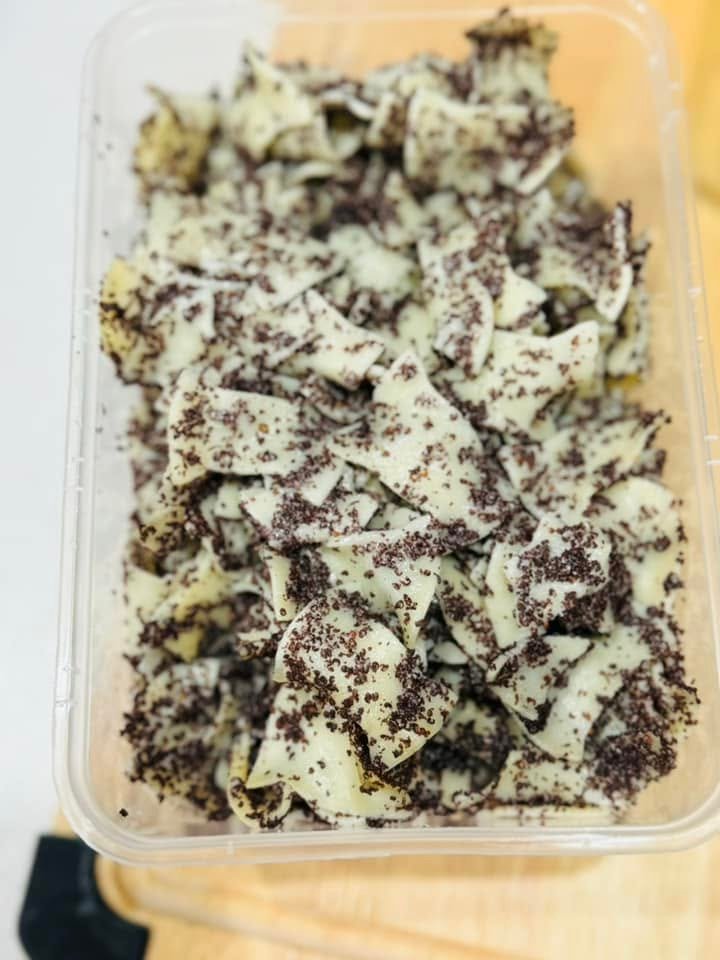
Season generously with black pepper.
Step 3: Cook the Noodles
Bring a large pot of salted water to a boil.
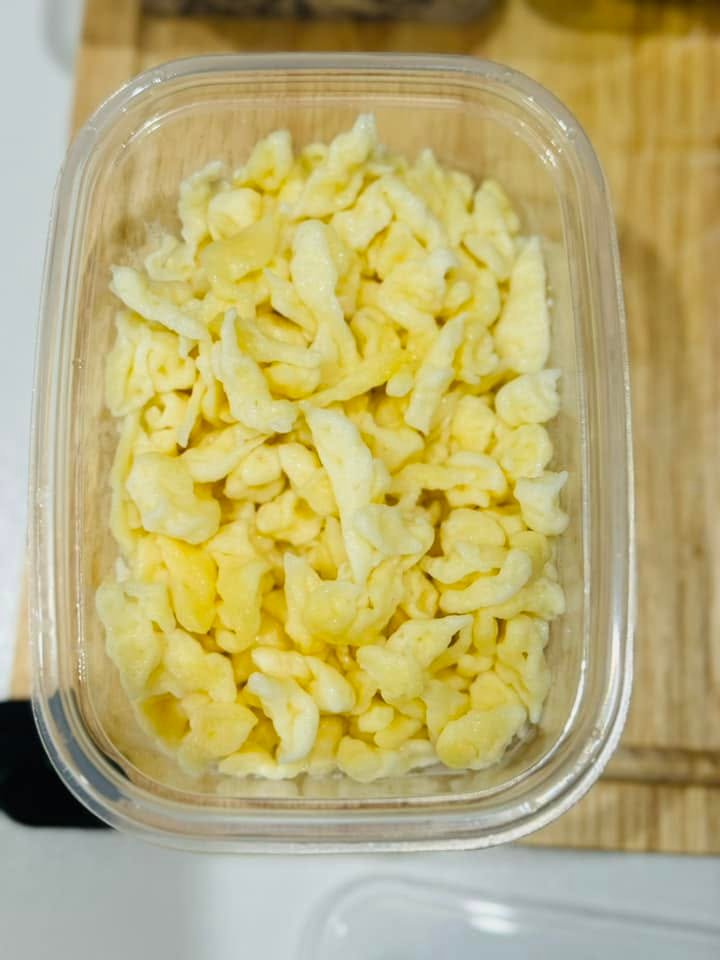
Cook the broad egg noodles according to the package instructions until al dente.
Drain well.
Reserve a few tablespoons of pasta water if needed.
Step 4: Combine
Add the cooked noodles to the skillet with the caramelized cabbage.
Toss gently until the noodles are evenly coated.
If the mixture seems dry, add a splash of reserved pasta water or a little extra butter.
Taste and adjust the seasoning with more salt and black pepper if desired.
Step 5: Serve
Serve immediately while warm.
Many Hungarians enjoy Káposztás Tészta with an extra sprinkle of freshly ground black pepper or a small pinch of sugar for a sweet-and-savory contrast.
Traditional Variations
Sweet Hungarian Style
Finished with an extra sprinkle of sugar before serving.
Pepper Lover’s Version
Seasoned generously with freshly cracked black pepper.
Bacon Káposztás Tészta
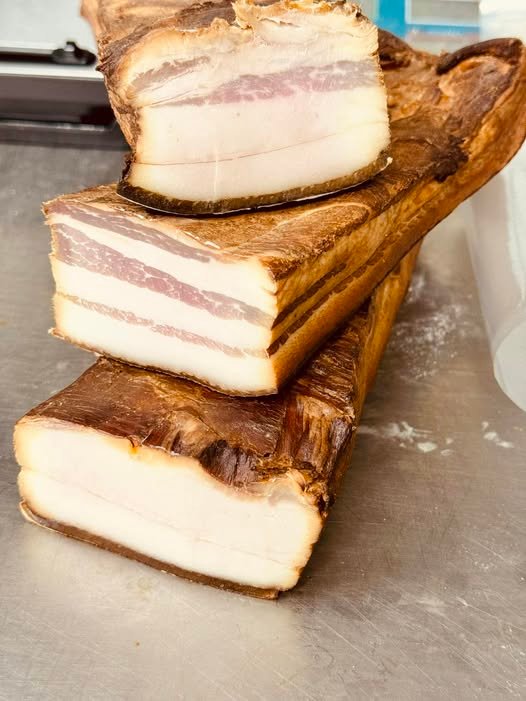
Crispy bacon pieces are added for a smoky flavor.
Sausage Version
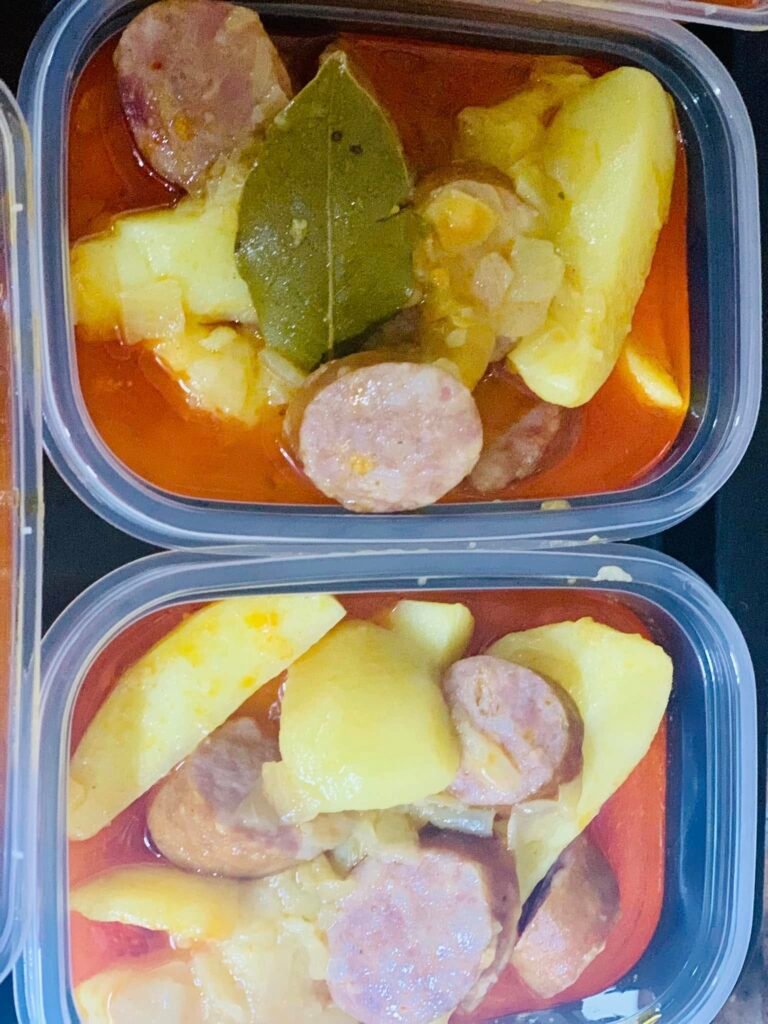
Served with sliced Hungarian smoked sausage or Csabai Kolbász.
Butter-Rich Version
Extra butter is stirred into the noodles before serving for a richer taste.
Tips for Perfect Hungarian Cabbage and Noodles
- Cook the cabbage slowly to develop a rich caramelized flavor.
- Use broad Hungarian-style egg noodles whenever possible.
- Do not rush the caramelization process.
- Freshly ground black pepper makes a noticeable difference.
- Serve immediately while hot for the best texture.
- Leftovers reheat beautifully the next day.
What to Serve with Káposztás Tészta
This comforting dish pairs wonderfully with:
- Hungarian smoked sausage (Csabai Kolbász)
- Roast pork
- Chicken Paprikash
- Cucumber Salad (Uborkasaláta)
- Pickled vegetables
- Fresh crusty bread
- Sour cream
- Roasted chicken
Storage Instructions
Refrigerator
Store in an airtight container for up to 3 days.
Freezer
Although possible, freezing is not recommended, as the noodles may become soft after thawing.
Reheating
Warm gently in a skillet with a little butter or a splash of water until heated through.
Frequently Asked Questions
Can I make Káposztás Tészta ahead of time?
Yes. It reheats well and often tastes even better after the flavors have had time to meld.
Is this dish vegetarian?
Yes, as long as butter is used instead of animal fat. It is a classic vegetarian comfort meal in Hungary.
Why is sugar added?
The sugar helps the cabbage caramelize and enhances its natural sweetness without making the dish overly sweet.
Can I use different pasta?
Broad egg noodles are traditional, but pappardelle or wide ribbon pasta can be used if Hungarian noodles are unavailable.
Should it be sweet or savory?
Both versions are authentic. Some Hungarian families prefer extra black pepper, while others enjoy a light sprinkle of sugar before serving.
Nutrition (Approximate Per Serving)
- Calories: 360
- Carbohydrates: 52g
- Protein: 9g
- Fat: 13g
- Saturated Fat: 5g
- Fiber: 5g
- Sodium: 360mg
Final Thoughts
Hungarian Káposztás Tészta is a perfect example of how simple ingredients can create an unforgettable meal. Tender egg noodles, sweet caramelized cabbage, buttery richness, and a touch of black pepper come together to deliver a comforting dish that has been loved in Hungarian kitchens for generations. Whether served as a satisfying vegetarian main course or as a side dish alongside roasted meats and sausages, this authentic recipe is easy to prepare and full of traditional Hungarian flavor.