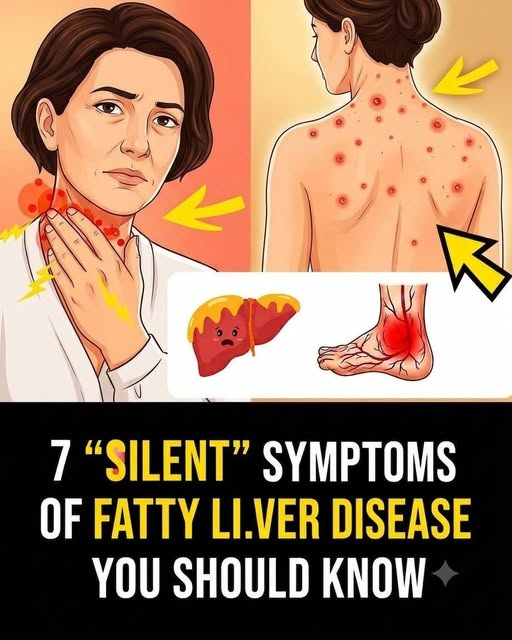
Fatty liver disease is a common condition in which excess fat builds up in the liver. Many people have it for years without realizing anything is wrong because the early stages often cause few or no noticeable symptoms.
The condition is now commonly called metabolic dysfunction-associated steatotic liver disease (MASLD) when it is linked to metabolic risk factors. It can range from fat accumulation without significant liver injury to inflammation and scarring in more advanced cases.
Although symptoms alone cannot confirm fatty liver disease, understanding possible warning signs can help you recognize when it is time to seek medical advice.
1. Persistent Fatigue
Feeling unusually tired, even after getting enough sleep, is one possible symptom of fatty liver disease.
However, fatigue is extremely common and can result from many other conditions, including anemia, thyroid disorders, poor sleep, stress, and diabetes.
If tiredness persists, interferes with your daily activities, or occurs alongside other unexplained symptoms, consider arranging a medical assessment rather than assuming it is related to your liver.
2. Discomfort in the Upper Right Side of the Abdomen
The liver sits mainly beneath the right side of the rib cage. Some people with fatty liver disease experience mild discomfort or a feeling of fullness in this area, particularly if the liver becomes enlarged.
Pain in this location does not necessarily mean there is a liver problem. Gallbladder conditions, digestive issues, and muscle strain can cause similar discomfort.
Seek medical advice if the discomfort persists, becomes worse, or keeps returning.
3. Yellowing of the Skin or Eyes
Yellowing of the skin or the whites of the eyes is called jaundice. It can occur when the liver or bile system is not processing bilirubin normally.
Jaundice is not a typical sign of uncomplicated early fatty liver disease. It may indicate a more serious liver condition or another medical problem and should not be ignored.
Seek urgent medical assessment if you notice yellowing of your eyes or skin, particularly if it is accompanied by dark urine, pale stools, or abdominal pain.
4. Swelling in the Legs or Ankles
Swelling in the lower legs and ankles can develop for several reasons, including problems affecting the heart, kidneys, veins, or certain medications.
In advanced liver disease, reduced production of albumin and changes in blood pressure within the liver’s circulation can contribute to fluid accumulation.
Leg swelling alone does not establish that someone has fatty liver disease. If it is persistent, unexplained, or worsening, consult a healthcare professional. Sudden swelling in one leg, especially with pain, redness, or warmth, needs prompt medical evaluation.
5. Swelling or Fluid Buildup in the Abdomen
A noticeably enlarged abdomen can sometimes result from fluid accumulating inside the abdominal cavity, a condition called ascites.
Ascites may occur in advanced liver disease, including cirrhosis, but it is not a usual early symptom of simple fatty liver.
New abdominal swelling should be evaluated by a healthcare professional. If it occurs with fever, severe abdominal pain, breathing difficulties, or confusion, seek urgent medical care.
6. Itchy Skin
Persistent itching can occur in some liver and bile duct conditions, particularly when bile flow is disrupted.
Nevertheless, itching is not a reliable way to identify fatty liver disease. Dry skin, allergies, eczema, medications, and other conditions are much more common explanations for many cases of itching.
If itching continues without an obvious cause, affects your sleep, or occurs alongside jaundice or dark urine, speak with a healthcare professional.
7. Spider-Like Blood Vessels or Red Palms
Small, spider-shaped blood vessels near the skin’s surface and unusually red palms can sometimes be associated with advanced chronic liver disease.
These changes are not specific to fatty liver and may occur for other reasons. Their presence alone cannot determine whether the liver is damaged.
If you notice new or unexplained skin changes, particularly alongside abdominal swelling, jaundice, or other persistent symptoms, arrange a medical assessment.
Why Is Fatty Liver Disease Called a Silent Condition?
Fatty liver disease often develops without obvious symptoms. Many people discover it after routine blood tests or an abdominal scan performed for another reason.
The risk of MASLD is higher in people with certain metabolic conditions, including:
- Type 2 diabetes or insulin resistance.
- Overweight or obesity, especially excess fat around the waist.
- High triglycerides or abnormal cholesterol levels.
- High blood pressure.
- A combination of metabolic risk factors.
People without these risk factors can also develop fatty liver disease. Your appearance and how you feel are not enough to determine whether your liver is healthy.
How Is Fatty Liver Disease Diagnosed?
A healthcare professional may review your medical history, medications, alcohol intake, and metabolic risk factors.
Depending on your situation, testing may include:
- Blood tests: Liver enzymes and other tests can help identify possible liver injury and assess related health conditions.
- Imaging: An ultrasound or other imaging test may detect fat in the liver.
- Fibrosis assessment: Special blood-test scores or elastography can help assess the risk of liver scarring.
- Additional testing: Further investigations may be needed to rule out other causes of liver disease.
Normal liver enzyme results do not always exclude fatty liver disease or significant liver scarring. Your clinician will interpret the results in the context of your overall health.
What Can Help Protect Your Liver?
The right approach depends on your diagnosis and individual health needs, but several lifestyle measures can help improve metabolic health and reduce the risk of liver-related complications.
Choose a balanced eating pattern
Eat a variety of vegetables, fruits, whole grains, beans, and other sources of fiber. Include suitable sources of protein and unsaturated fats, such as fish, nuts, seeds, and olive oil.
Limit sugary drinks, frequent sweets, and heavily processed foods. You do not need an extreme detox diet to support liver health.
Be physically active
Regular physical activity can improve insulin sensitivity and metabolic health. Walking, cycling, swimming, or another activity you enjoy can be a useful starting point.
Choose an activity level appropriate for your fitness and medical condition.
Manage weight gradually if needed
For people with excess weight, gradual, sustainable weight loss can reduce liver fat and may improve liver inflammation. Avoid crash diets or unproven weight-loss products.
Address diabetes, cholesterol, and blood pressure
Work with your healthcare professional to manage these conditions if you have them. They are important to overall cardiovascular and liver health.
Be cautious with supplements
Products marketed as liver cleanses or detox remedies are not proven cures for fatty liver, and some supplements can cause liver injury. Ask a healthcare professional before taking products intended to treat liver disease.
Frequently Asked Questions
Can you have fatty liver disease without symptoms?
Yes. Many people have no noticeable symptoms, especially in the early stages. The condition may be discovered through blood tests or imaging.
Does fatty liver always lead to cirrhosis?
No. Many people do not develop advanced liver damage. However, some develop inflammation and scarring that can progress to cirrhosis, so appropriate assessment and management are important.
Can fatty liver improve?
In many cases, liver fat can decrease with sustainable lifestyle changes and management of related metabolic conditions. The outlook depends on the degree of inflammation and scarring and on the person’s overall health.
Is pain under the right ribs proof of fatty liver?
No. Pain in that area has many possible causes. A medical assessment is needed to determine what is responsible.
When should I seek medical help?
Arrange an appointment if you have persistent unexplained fatigue, recurring discomfort under the right ribs, or risk factors for fatty liver disease. Seek urgent assessment for jaundice, rapidly increasing abdominal swelling, severe abdominal pain, or new confusion.
Final Thoughts
Fatty liver disease can develop quietly, which is why understanding your risk factors matters. Fatigue and discomfort in the upper right abdomen may occur, while jaundice, significant swelling, and certain skin changes can point to more advanced liver or other medical problems.
No list of symptoms can diagnose fatty liver disease. If you are concerned about your liver health, speak with a healthcare professional about whether blood tests, imaging, or further assessment are appropriate.
Medical disclaimer: This article is for general educational purposes only and does not replace professional medical advice, diagnosis, or treatment.
Trusted Sources
- Mayo Clinic — Fatty liver disease (MASLD): https://www.mayoclinic.org/diseases-conditions/fatty-liver-disease-masld/symptoms-causes/syc-20354567
- National Institute of Diabetes and Digestive and Kidney Diseases (NIDDK) — Symptoms and causes: https://www.niddk.nih.gov/health-information/liver-disease/nafld-nash/symptoms-causes
- NHS — Non-alcoholic fatty liver disease: https://www.nhs.uk/conditions/non-alcoholic-fatty-liver-disease/