How to Whiten Yellow Teeth Safely: What Actually Works
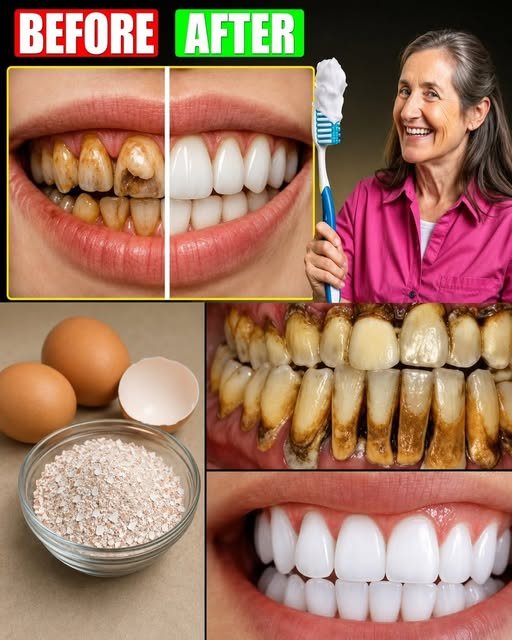
A bright, white smile is something many people want, and there are countless DIY teeth-whitening recipes circulating online. Some viral posts even show dramatic “before and after” results using homemade mixtures.
But yellow or stained teeth cannot always be transformed safely with a homemade recipe. Tooth discoloration can have many causes, and the safest whitening method depends on the condition of your teeth and gums.
Professional whitening products commonly use hydrogen peroxide or carbamide peroxide, which can effectively lighten natural teeth. However, whitening can also cause temporary tooth sensitivity and gum irritation. (Ada)
Why Do Teeth Become Yellow?
Teeth can become darker or yellow for several reasons.
Common causes include:
Coffee and tea
Red wine and other strongly colored drinks
Smoking or tobacco use
Aging
Plaque buildup
Certain medications
Natural tooth color
Changes within the enamel or dentin
As we age, enamel can become thinner and more translucent, allowing the naturally yellower dentin underneath to become more visible. (Ada)
Can Baking Soda Whiten Teeth?
Baking soda is sometimes included in whitening toothpastes because its mild abrasiveness can help remove surface stains.
However, DIY mixtures of baking soda with household ingredients are not necessarily safer or more effective than properly formulated dental products.
The American Dental Association notes that some DIY whitening approaches have limited evidence of effectiveness, while overly abrasive mixtures can damage tooth surfaces. (Ada)
What About Hydrogen Peroxide?
Hydrogen peroxide is a legitimate ingredient used in professional and over-the-counter tooth-whitening products.
The important difference is concentration, formulation, application, and safety controls.
Using concentrated hydrogen peroxide or homemade mixtures directly on your teeth can irritate or burn the gums and potentially damage teeth. Dental professionals use controlled formulations designed specifically for oral use. (Ada)
Never use industrial or household cleaning products on your teeth.
The Safer Ways to Whiten Teeth
1. Professional Whitening
A dentist can examine your teeth and gums before whitening and determine whether bleaching is appropriate.
Professional whitening can provide faster and more predictable results. (nhs.uk)
2. Dentist-Supplied Home Whitening
A dentist may provide custom-fitted trays and an appropriate whitening gel for use at home.
This approach allows the treatment to be tailored to your teeth while reducing unnecessary contact with the gums. (nhs.uk)
3. Whitening Toothpaste
Whitening toothpastes primarily help remove surface stains rather than dramatically changing the natural internal color of the tooth.
They can be useful for maintaining a cleaner, brighter appearance when used as directed. (Ada)
Don’t Forget Dental Cleaning
Sometimes teeth look significantly darker simply because of plaque, tartar, or surface staining.
A professional dental cleaning can remove deposits that ordinary brushing cannot remove effectively. In some cases, the teeth may look noticeably brighter even before a whitening treatment is considered. (ADA News)
What About the Dramatic “Before & After” Photos?
Be careful with viral before-and-after images.
A photograph can look dramatically different because of:
Lighting
Camera settings
Editing
Different angles
Makeup or lip products
Professional dental treatment
Dental restorations
Also, crowns, veneers, fillings, and other tooth-colored restorations do not whiten in the same way as natural teeth. (Ada)
Important: Whitening Does Not Fix Dental Disease
If your teeth have heavy brown or black deposits, cavities, broken areas, gum disease, or severe discoloration, whitening is not the first step.
A dentist should determine what is causing the discoloration before cosmetic whitening is attempted.
How to Keep Teeth Looking Brighter
You can help maintain a brighter smile by:
Brushing twice a day with fluoride toothpaste
Cleaning between your teeth regularly
Limiting tobacco use
Limiting frequent consumption of strongly staining drinks
Having regular dental checkups
Getting professional cleaning when recommended
Following whitening-product instructions carefully
Final Thoughts
There is no magic homemade mixture that can safely turn severely stained teeth perfectly white overnight.
For genuine whitening, look for evidence-based products designed for oral use or speak with a dentist. Professional and appropriately formulated home-whitening treatments can be effective, but temporary sensitivity and gum irritation are possible. (Ada)
Most importantly, avoid experimenting with concentrated chemicals, acidic household ingredients, or abrasive DIY mixtures. A brighter smile is worth pursuing—but protecting your enamel and gums should always come first.
Would you rather try professional whitening or a dentist-approved home whitening kit? 🦷✨
To provide the best experiences, we use technologies like cookies to store and/or access device information. Consenting to these technologies will allow us to process data such as browsing behavior or unique IDs on this site. Not consenting or withdrawing consent, may adversely affect certain features and functions.
Functional
Always active
The technical storage or access is strictly necessary for the legitimate purpose of enabling the use of a specific service explicitly requested by the subscriber or user, or for the sole purpose of carrying out the transmission of a communication over an electronic communications network.
Preferences
The technical storage or access is necessary for the legitimate purpose of storing preferences that are not requested by the subscriber or user.
Statistics
The technical storage or access that is used exclusively for statistical purposes.The technical storage or access that is used exclusively for anonymous statistical purposes. Without a subpoena, voluntary compliance on the part of your Internet Service Provider, or additional records from a third party, information stored or retrieved for this purpose alone cannot usually be used to identify you.
Marketing
The technical storage or access is required to create user profiles to send advertising, or to track the user on a website or across several websites for similar marketing purposes.