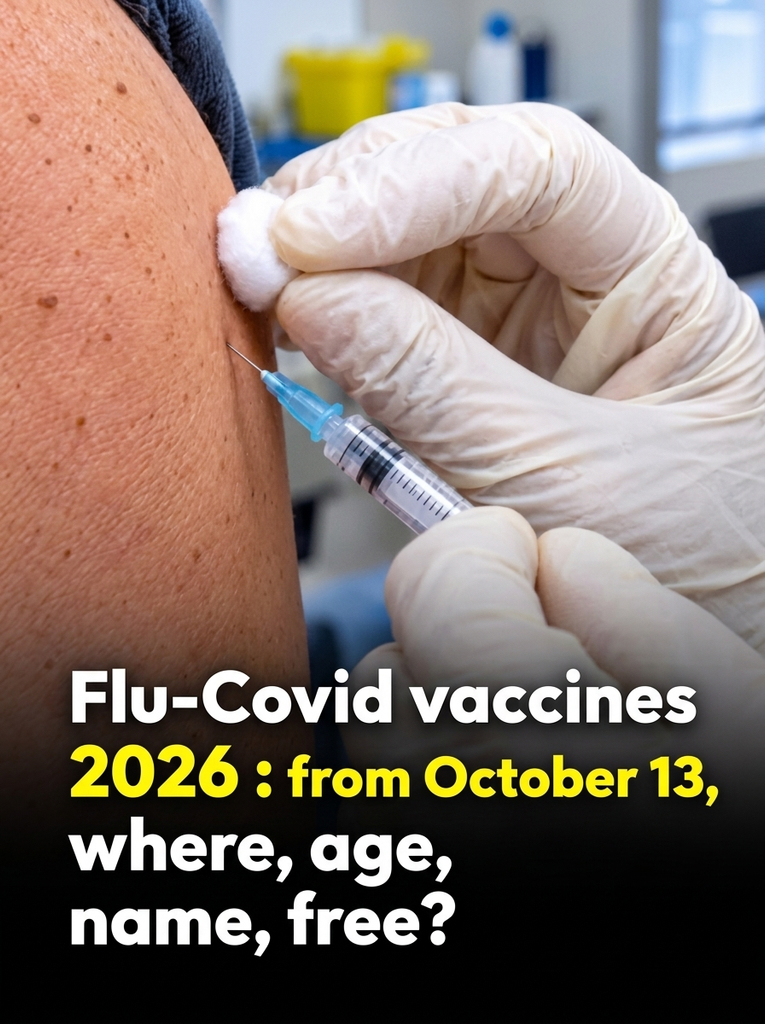
France’s 2026–2027 seasonal vaccination campaign against influenza (the flu) and COVID-19 begins on October 13, 2026, in mainland France, Guadeloupe, Martinique, and French Guiana. The campaign is designed to help protect people who are most vulnerable to serious complications during the colder months.
Eligible people can receive both vaccines during the same appointment, using separate injection sites. But who should get vaccinated, which vaccines are available, where can people receive them, and how much do they cost?
Here is what you need to know about France’s official vaccination campaign. <escape>Source: French government</escape>
When Does the 2026 Flu and COVID-19 Vaccination Campaign Start?
The campaign starts on October 13, 2026, in mainland France, Guadeloupe, Martinique, and French Guiana.
There are regional exceptions. The campaign began earlier in Mayotte, while Réunion follows a vaccination schedule adapted to the Southern Hemisphere.
The flu and COVID-19 campaigns are being conducted together to make it easier for eligible people to receive both vaccinations. <escape>Source: Assurance Maladie</escape>
Who Is Eligible for the Flu Vaccine in 2026?
Flu vaccination is particularly recommended for people at increased risk of developing serious complications.
The priority groups include:
- Adults aged 65 and older.
- People with certain chronic medical conditions, including some heart, lung, kidney, neurological, and metabolic conditions such as diabetes.
- Pregnant women, regardless of the stage of pregnancy.
- People with severe obesity, defined in the French recommendations as a body mass index (BMI) of 40 or higher.
- Residents of certain healthcare and medical-social facilities, regardless of age.
- People who live with or have regular contact with certain vulnerable individuals, including some immunocompromised people and infants at high risk of severe flu.
- Healthcare professionals and certain caregivers who work with vulnerable people.
Children aged 6 months and older with certain chronic conditions may also be eligible for recommended flu vaccination. Flu vaccination can additionally be offered to children aged 2–17 who do not have chronic conditions, under the applicable French arrangements. <escape>Source: Ameli.fr</escape>
Eligibility and reimbursement rules depend on the person’s circumstances, so anyone unsure about their situation should ask a healthcare professional.
Who Should Receive the COVID-19 Vaccine?
France recommends the annual autumn COVID-19 vaccination particularly for people who are more likely to develop severe illness.
These groups include:
- Adults aged 65 and older.
- People with weakened immune systems.
- People with certain chronic diseases that increase the risk of severe COVID-19.
- Pregnant women.
- Residents of nursing homes and certain long-term care facilities.
- People considered at very high risk of severe disease following an individual medical assessment.
- People who have regular contact with vulnerable or immunocompromised individuals, including certain healthcare and social-care workers.
The recommendations also cover some children and younger adults with medical conditions that increase their risk.
People outside the priority groups can also request COVID-19 vaccination in France. However, the recommended timing and interval after a previous dose or COVID-19 infection can vary according to age and medical circumstances. Check with a healthcare professional before arranging a dose. <escape>Source: Ameli.fr</escape>
What Are the Names of the 2026–2027 Vaccines?
Several flu vaccines are available for the 2026–2027 campaign in France. The product offered may depend on age, medical eligibility, and availability.
Flu Vaccines
The available flu vaccine names include:
- Flucelvax
- Influvac
- Vaxigrip
- Efluelda
- Fluad
For adults aged 65 and older, French recommendations preferentially favor Efluelda, a high-dose vaccine, or Fluad, an adjuvanted vaccine. Standard flu vaccines may also be used when appropriate. The healthcare professional can determine which option is suitable for the individual. <escape>Source: Ameli.fr</escape>
COVID-19 Vaccine
For the autumn 2026 campaign, France is using Comirnaty XFG, a COVID-19 vaccine adapted to a circulating variant.
The French health insurance information lists different formulations for different age groups, including a 30-microgram formulation for people aged 12 and older and a 10-microgram formulation for children aged 6 months through 11 years.
The appropriate formulation and vaccination schedule must be confirmed by a healthcare professional. <escape>Source: Ameli.fr</escape>
Where Can You Get Vaccinated?
In France, flu and COVID-19 vaccinations may be administered by authorized healthcare professionals, depending on the person’s age and circumstances.
Available options include:
- Pharmacies: Many pharmacists can prescribe or administer eligible vaccinations under French rules.
- Doctors: A general practitioner or other authorized doctor can advise on eligibility and vaccination.
- Nurses: Authorized nurses can administer vaccines under the applicable conditions.
- Midwives: Midwives can provide eligible vaccinations, including for pregnant women.
For flu vaccination, people who qualify for full reimbursement generally receive a vaccination invitation and a coverage form from French Health Insurance. If an eligible person has not received the form or has lost it, a healthcare professional may be able to provide one.
For COVID-19 vaccination, contact a local pharmacy or healthcare professional to confirm availability and make an appointment. <escape>Source: Service-Public.fr</escape>
Are the Flu and COVID-19 Vaccines Free?
The answer depends on the vaccine and the person’s eligibility.
Flu Vaccine: Who Gets It at No Cost?
For people covered by France’s priority flu vaccination recommendations, the vaccine is generally covered at 100% by French Health Insurance, with the injection covered according to the applicable reimbursement rules.
Eligible people should follow the instructions on their coverage form and present the required documents, such as their Carte Vitale.
For children aged 2–17 without chronic medical conditions who are offered flu vaccination, the vaccine is covered at 65% under the stated arrangements. People outside the priority groups generally pay for both the vaccine and the injection themselves.
Some special situations have different coverage rules, so it is important to check the details before the appointment. <escape>Source: Ameli.fr</escape>
COVID-19 Vaccine: Is It Free?
Yes. Under the French system, COVID-19 vaccines are covered at 100% by French Health Insurance, including for people outside the priority groups who wish to receive a dose.
The cost of administering the injection follows the applicable rules. Ask the provider if you have questions about any charges related to your appointment. <escape>Source: French government</escape>
Important: These coverage rules apply to France. Other countries may have different eligibility requirements, vaccine products, and costs.
Can You Receive Both Vaccines on the Same Day?
Yes. If you are eligible for both the flu and COVID-19 vaccines, they can generally be administered during the same appointment.
The injections are given at two different sites, such as one in each arm. If you receive them on separate days, French guidance does not require a minimum interval between the two vaccines.
Getting vaccinated before flu viruses circulate widely can be helpful because the body generally needs about two weeks to develop its immune response after a flu vaccination. <escape>Sources: Service-Public.fr and Ameli.fr</escape>
What Should You Know Before Your Appointment?
Before receiving a vaccine, tell the healthcare professional about any previous serious allergic reactions, relevant medical conditions, current illness, and recent COVID-19 vaccination or infection.
The recommended interval after a previous COVID-19 dose or infection is generally six months under the French autumn campaign guidance, reduced to three months for people aged 80 and older and people who are immunocompromised. Individual circumstances and updated guidance can affect the appropriate schedule.
Vaccination can help reduce the risk of serious illness, but it does not guarantee that someone will never become infected. Hand hygiene, ventilation, and other appropriate preventive measures can also help reduce the spread of respiratory viruses.
If you are unsure whether vaccination is appropriate for you or a family member, ask a doctor, pharmacist, nurse, or midwife for advice.
Frequently Asked Questions
When does the 2026 vaccination campaign begin?
The joint flu and COVID-19 campaign begins on October 13, 2026, in mainland France, Guadeloupe, Martinique, and French Guiana. Regional schedules differ in Mayotte and Réunion.
Which people are most strongly encouraged to get vaccinated?
Adults aged 65 and older, pregnant women, people with certain chronic conditions, immunocompromised people, and residents of relevant care facilities are among the priority groups. Specific recommendations differ slightly between flu and COVID-19 vaccination.
What are the names of the vaccines?
Flu vaccine options include Flucelvax, Influvac, Vaxigrip, Efluelda, and Fluad. The COVID-19 vaccine used for the autumn 2026 campaign in France is Comirnaty XFG.
Can I receive both vaccines in one visit?
Yes. Eligible people can generally receive both vaccines during the same appointment at separate injection sites.
Do I need to be 65 or older to receive a COVID-19 vaccine?
No. Although older adults are a priority group, younger people with certain medical risk factors and other eligible individuals may also receive COVID-19 vaccination. People outside the priority groups can ask a healthcare professional about receiving a dose.
Is vaccination free for everyone?
COVID-19 vaccination is covered at 100% under France’s Health Insurance system. Flu vaccine coverage depends on eligibility: priority groups generally receive full coverage, while some other groups may receive partial coverage or pay the full cost.
Final Thoughts
France’s 2026–2027 flu and COVID-19 vaccination campaign begins on October 13, 2026, giving eligible residents an opportunity to update their protection before the winter respiratory-virus season.
The most important steps are to check whether you qualify, confirm which vaccine is appropriate for your age and health circumstances, and ask a local healthcare professional about appointments and reimbursement.
Because recommendations and vaccine availability can change, consult the official French Health Insurance website or Service-Public.fr for the latest information.
Medical disclaimer: This article is for general informational purposes only and does not replace individual medical advice. Eligibility, vaccination schedules, and reimbursement can vary by personal circumstances. Always consult a qualified healthcare professional for advice specific to you.