Have you ever gone to bed feeling bloated, uncomfortable, or unable to have a regular bowel movement? Constipation is a common digestive complaint, and it can leave you feeling heavy and uncomfortable throughout the day.
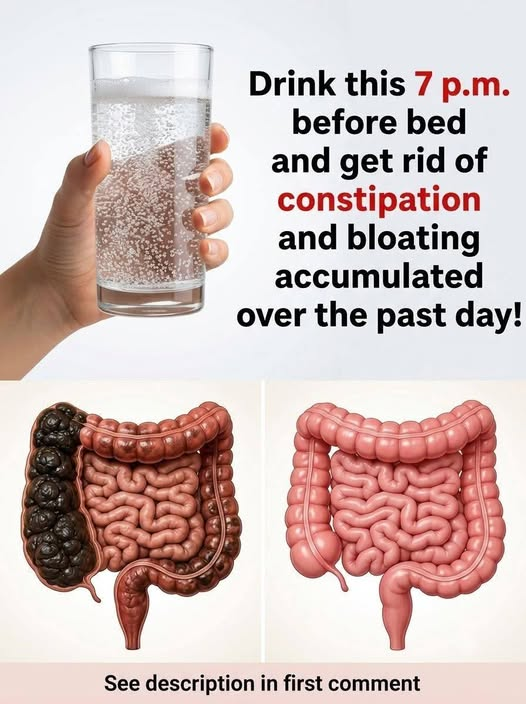
You may have seen claims that drinking a special glass of water at 7 p.m. can flush out accumulated waste overnight. But is this really possible?
The truth is that drinking enough fluids can help support healthy bowel movements, particularly when combined with adequate dietary fiber. However, no specific bedtime drink has been proven to remove 15 kilograms of waste from the colon overnight. Your digestive system does not need a daily detox drink to function normally.
Here is what actually helps relieve occasional constipation, reduce bloating, and support your digestive health.
What Causes Constipation and Bloating?
Constipation can involve having fewer bowel movements than usual, passing hard or dry stools, straining during bowel movements, or feeling that your bowels have not emptied completely.
Bloating may occur when gas builds up in the digestive tract or when stool moves through the bowel more slowly.
Common contributors include:
- Eating too little dietary fiber
- Not drinking enough fluids
- Spending long periods sitting or lying down
- Ignoring the urge to have a bowel movement
- Changes in diet or daily routine
- Certain medications or medical conditions
Occasional constipation is common, but persistent symptoms may require medical assessment. <Cite refs={[“turn857472search2″,”turn857472search4”]}/>
Does Drinking Water at 7 p.m. Help?
Drinking water in the evening can contribute to your daily fluid intake, which is important for normal digestion. When you consume enough fluids alongside dietary fiber, stools can become softer and easier to pass.
However, there is no established medical rule that water must be consumed at exactly 7 p.m. to relieve constipation.
You also do not need to drink a large amount immediately before bed. Doing so may interrupt your sleep because you need to urinate during the night.
Instead, drink fluids regularly throughout the day and adjust your intake according to your needs and any medical advice you have received.
A Simple Bedtime Hydration Routine
If you enjoy a warm drink in the evening, try this simple routine.
Ingredients
- 1 cup of warm water
- A slice of lemon, if desired
Instructions
- Heat the water until comfortably warm, not boiling.
- Add a slice of lemon if you enjoy the flavor.
- Drink slowly in the evening, allowing time before bed if nighttime urination is a concern.
This drink can help you maintain your fluid intake, but lemon does not act as a proven colon cleanser. The water itself is the main source of hydration.
If you have been advised to restrict fluids because of heart or kidney disease, follow your healthcare professional’s recommendations.
6 Practical Ways to Relieve Constipation Naturally
1. Increase Fiber Gradually
Fiber helps add bulk to stool and can make bowel movements easier. Adults generally need around 22–34 grams of fiber daily, depending on individual needs.
Good sources include:
- Oatmeal and whole-grain foods
- Beans, chickpeas, and lentils
- Pears and apples with their skins
- Berries and other fruits
- Broccoli, carrots, and leafy greens
- Nuts and seeds
Increase fiber gradually rather than making a sudden, dramatic change. Adding too much too quickly may worsen gas and bloating. <Cite refs={[“turn857472search1”]}/>
2. Consider Prunes or Prune Juice
Prunes contain fiber and naturally occurring sorbitol, which can help draw water into the bowel and support bowel movements.
You can try a modest serving of prunes or prune juice as part of your regular diet. Start with a small amount because too much may cause gas, abdominal discomfort, or diarrhea.
3. Walk Every Day
Physical activity can help support normal bowel function. A daily walk is a simple way to get moving, especially if you spend much of the day sitting.
Choose an activity that suits your fitness level and medical circumstances.
4. Establish a Regular Bathroom Routine
Try giving yourself enough time to use the bathroom at a consistent time each day. Some people find it helpful to try after breakfast because eating stimulates movement in the colon.
Do not ignore the urge to have a bowel movement. Resting your feet on a small stool while sitting on the toilet may also make passing stool more comfortable.
5. Drink Fluids Throughout the Day
Adequate fluid intake helps prevent dehydration and allows dietary fiber to work effectively.
Water is an excellent everyday choice, but your individual needs vary according to your activity level, environment, and health. People with prescribed fluid restrictions should follow their medical advice.
6. Review Medications if Constipation Persists
Some medicines and supplements can contribute to constipation. Examples include certain opioid pain medicines, iron supplements, and some other prescription drugs.
Do not stop a prescribed medicine on your own. Ask your healthcare professional whether it could be contributing to your symptoms and whether an alternative approach is appropriate.
Do You Need a Colon Cleanse?
For most people, the answer is no.
Your digestive system naturally moves food, absorbs nutrients, and eliminates waste. Commercial detox drinks, extreme laxative routines, and unproven cleansing methods are not necessary for routine colon health.
Claims that a drink removes enormous quantities of accumulated waste overnight are misleading. If you have severe or persistent constipation, a healthcare professional can help identify the cause and recommend an appropriate treatment.
Some over-the-counter laxatives can be useful when needed, but the right option depends on your symptoms, medical history, and other medicines. Ask a pharmacist or clinician if dietary changes are not helping. <Cite refs={[“turn857472search0″,”turn857472search8”]}/>
When Should You See a Doctor?
Seek medical advice if constipation continues despite self-care, keeps returning, or is accompanied by persistent bloating, abdominal discomfort, unexplained weight loss, or blood in your stool.
Seek urgent medical care if you have severe abdominal pain, repeated vomiting, significant abdominal swelling, or cannot pass stool or gas.
These symptoms should not be treated with a homemade cleanse.
Frequently Asked Questions
Can drinking water before bed make you poop in the morning?
Drinking enough water supports normal bowel function, but a glass of water at bedtime does not guarantee a bowel movement the next morning. Fiber, activity, and your usual bowel habits also matter.
Does constipation mean that 15 kilograms of waste are trapped in the colon?
No. There is no sound basis for claiming that people routinely carry 15 kilograms of trapped waste that can be removed with a bedtime drink.
What is the best drink for constipation?
Water is a good starting point. Prune juice may help some people because it contains sorbitol, but results vary. No drink works instantly or is appropriate for every cause of constipation.
Can lemon water clean the colon?
No reliable evidence shows that lemon water cleanses the colon or removes accumulated toxins. It can be a pleasant way to drink fluids, but it is not a colon-cleansing treatment.
How long does it take for dietary changes to help?
Some people notice changes within a few days, while others need longer. If constipation persists or becomes painful, consult a healthcare professional rather than continually trying new remedies.
The Bottom Line
Drinking water in the evening can be part of a healthy routine, but the exact time is not what makes the difference. Adequate hydration, gradually increasing dietary fiber, regular movement, and consistent bathroom habits are more useful approaches to supporting bowel health.
Avoid dramatic claims about overnight colon cleansing. If constipation is persistent, severe, or accompanied by warning signs, seek medical advice instead of relying on detox drinks.
Medical disclaimer: This article is for educational purposes only and is not a substitute for professional medical advice, diagnosis, or treatment.