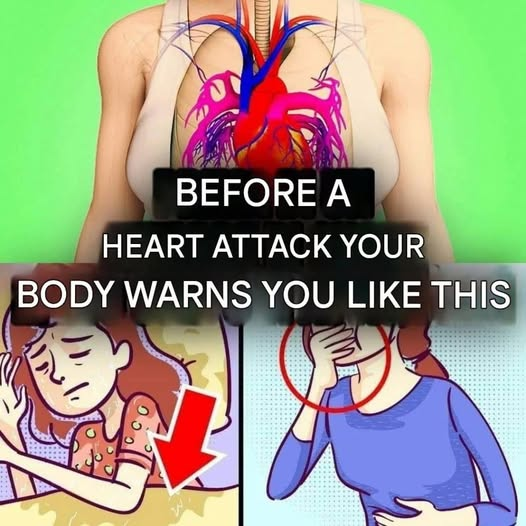
A heart attack does not always happen the way it is portrayed in movies. Although some people experience sudden, severe chest pain, others develop symptoms that begin gradually or feel surprisingly mild.
Recognizing these warning signs can make a critical difference. A heart attack occurs when blood flow to part of the heart muscle is blocked, potentially damaging the heart if treatment is delayed.
Important: If you or someone nearby may be having a heart attack, call your local emergency medical service immediately. Do not wait for all eight symptoms to appear.
1. Chest Pressure, Tightness, or Discomfort
Chest discomfort is one of the most common symptoms of a heart attack. It may feel like pressure, squeezing, heaviness, fullness, or pain in the center of the chest.
The discomfort may last several minutes or disappear and return. Some people describe it as an uncomfortable weight sitting on their chest.
Not every heart attack causes dramatic chest pain. Even mild or unfamiliar chest discomfort can require urgent medical assessment, particularly when accompanied by other symptoms.
2. Pain That Spreads to the Arm, Shoulder, or Back
Heart attack discomfort can spread beyond the chest. It may affect one or both arms, the shoulders, the upper back, or other areas of the upper body.
Some people notice pressure or aching rather than sharp pain. The symptoms may occur alongside chest discomfort or, in some cases, without obvious chest pain.
Do not dismiss unexplained upper-body discomfort when it occurs with breathlessness, sweating, nausea, or dizziness.
3. Neck or Jaw Discomfort
Pain or discomfort in the neck or jaw can sometimes be associated with a heart attack.
The sensation may feel like pressure, aching, or tightness. It can be mistaken for a dental problem, muscle strain, or another less serious condition.
Jaw or neck discomfort alone does not mean that someone is having a heart attack. However, when it occurs suddenly with other possible cardiac symptoms, emergency evaluation is important.
4. Shortness of Breath
Feeling unusually breathless is another possible warning sign.
You may notice difficulty breathing while walking, performing ordinary activities, or even resting. Shortness of breath can occur with chest discomfort or without it.
Although many conditions can cause breathing problems, sudden or severe breathlessness should never be ignored, especially if accompanied by chest pressure, sweating, faintness, or nausea.
5. Cold Sweating
Breaking out in a cold sweat without an obvious reason can occur during a heart attack.
You might feel clammy, unusually sweaty, or pale even when you have not been exercising or exposed to heat.
Sweating alone is not enough to diagnose a heart problem. However, sudden cold sweating combined with chest discomfort or difficulty breathing is a reason to seek emergency medical help.
6. Nausea, Vomiting, or Indigestion-Like Discomfort
Some people experience nausea, vomiting, stomach discomfort, or a sensation similar to indigestion during a heart attack.
These symptoms can be particularly easy to overlook after a meal or when someone assumes they have heartburn.
However, unusual digestive discomfort accompanied by chest pressure, sweating, breathlessness, or pain in the jaw or back can indicate a serious problem.
Do not assume that symptoms are simply indigestion when they are sudden, unusual, or associated with other warning signs.
7. Dizziness, Lightheadedness, or Fainting
Feeling suddenly lightheaded, weak, or faint can occur during a heart attack, particularly if the heart is not pumping blood effectively.
Some people may feel as though they are about to pass out. Others may actually lose consciousness.
Dizziness has many possible causes, but sudden fainting or severe lightheadedness accompanied by chest discomfort or shortness of breath requires urgent medical attention.
8. Unusual Fatigue or Sudden Weakness
Unexplained fatigue can sometimes accompany a heart attack. Some people, particularly women, report unusual tiredness or weakness alongside other symptoms.
The fatigue may feel different from ordinary tiredness after a busy day. Everyday activities that usually feel easy may suddenly become unusually exhausting.
Fatigue by itself is common and does not necessarily indicate a heart problem. The concern is greater when it is new, unexplained, or accompanied by chest discomfort, breathlessness, nausea, or other warning signs.
Can Heart Attack Symptoms Be Different in Women?
Yes. The most common symptom for both women and men is chest discomfort, but women may also experience symptoms such as:
- Shortness of breath
- Nausea or vomiting
- Pain in the back, shoulder, neck, or jaw
- Unusual fatigue or weakness
- Indigestion-like discomfort
- Lightheadedness
These symptoms can occur in men as well. The important point is that a heart attack should not be ruled out simply because someone does not experience the dramatic chest pain commonly shown in films.
What Should You Do If You Notice These Symptoms?
If you suspect a heart attack, act immediately.
- Call your local emergency number. Do not wait to see whether the symptoms disappear.
- Stop physical activity and rest in a comfortable position while waiting for help.
- Do not drive yourself to the hospital. Emergency responders can begin appropriate care and arrange transport.
- Follow the emergency dispatcher’s instructions. Do not delay the call to search for home remedies or medications.
- If the person becomes unresponsive and is not breathing normally, call emergency services and follow their instructions for CPR and use of an automated external defibrillator if available.
Do not take aspirin automatically without considering allergies, bleeding risks, or other medical factors; follow the emergency dispatcher’s or clinician’s advice.
Who May Have a Higher Risk of a Heart Attack?
Several factors can increase the risk of heart disease, including:
- High blood pressure
- High LDL cholesterol
- Smoking
- Diabetes
- Physical inactivity
- Certain patterns of unhealthy eating
- Excess body weight
- A family history of premature heart disease
- Increasing age
Having one or more risk factors does not mean a heart attack is inevitable. Regular medical checkups, appropriate treatment of existing conditions, avoiding tobacco, physical activity, and a balanced diet can help reduce cardiovascular risk.
Frequently Asked Questions
Can a heart attack happen without chest pain?
Yes. Some people experience other symptoms, such as breathlessness, nausea, back or jaw discomfort, or unusual fatigue. Chest discomfort remains the most common symptom, but its absence does not rule out a heart attack.
Do heart attack symptoms always appear days beforehand?
No. Some heart attacks develop suddenly, while others begin with mild or intermittent symptoms. There is no reliable timetable that applies to everyone.
Can indigestion be a sign of a heart attack?
It can. Heart-related discomfort may feel like heartburn or indigestion, particularly when accompanied by other warning signs. Seek emergency help if you suspect a heart attack.
Should I wait to see if the symptoms go away?
No. If you suspect a heart attack, call emergency services immediately. Symptoms may come and go, and waiting can delay life-saving treatment.
Can younger adults have heart attacks?
Yes. Risk generally increases with age, but younger adults can also experience heart attacks. Warning symptoms should be taken seriously regardless of age.
The Bottom Line
Heart attack symptoms can include chest pressure, pain spreading to the arms or back, jaw discomfort, shortness of breath, cold sweating, nausea, dizziness, and unusual fatigue.
These symptoms can have other causes, but it is not safe to diagnose the cause at home. If you think you or someone else may be having a heart attack, seek emergency medical help immediately. Every minute matters.
Medical disclaimer: This article is for educational purposes only and is not a substitute for professional medical advice, diagnosis, or treatment.