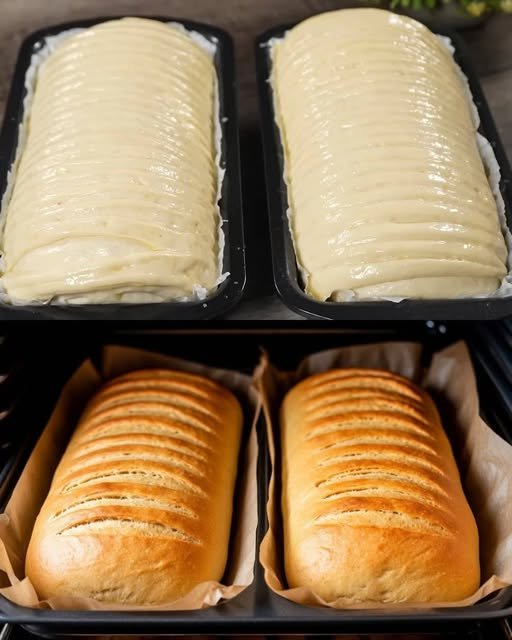
Activate the Yeast In a large bowl, whisk together the warm water, milk, sugar, and yeast. Stir thoroughly, then sprinkle in the 3 tablespoons (~30 g) of flour and mix to eliminate lumps. Cover with a kitchen towel and let rest for 15 minutes, until bubbly and foamy.
Enrich the Dough Add melted butter and salt to the yeast mixture, stirring to combine.
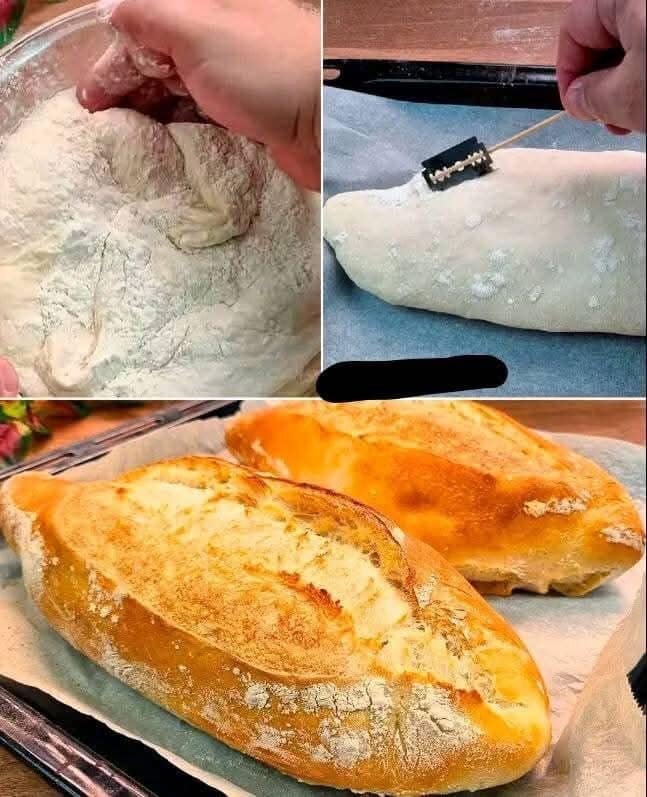
Add Flour Sift in 500 g flour and mix until incorporated. Then add the additional 100 g flour and mix again until the dough begins to come together.
Knead Turn the dough onto a floured surface. Knead by hand for 8–10 minutes until soft, smooth, and elastic (still slightly tacky).
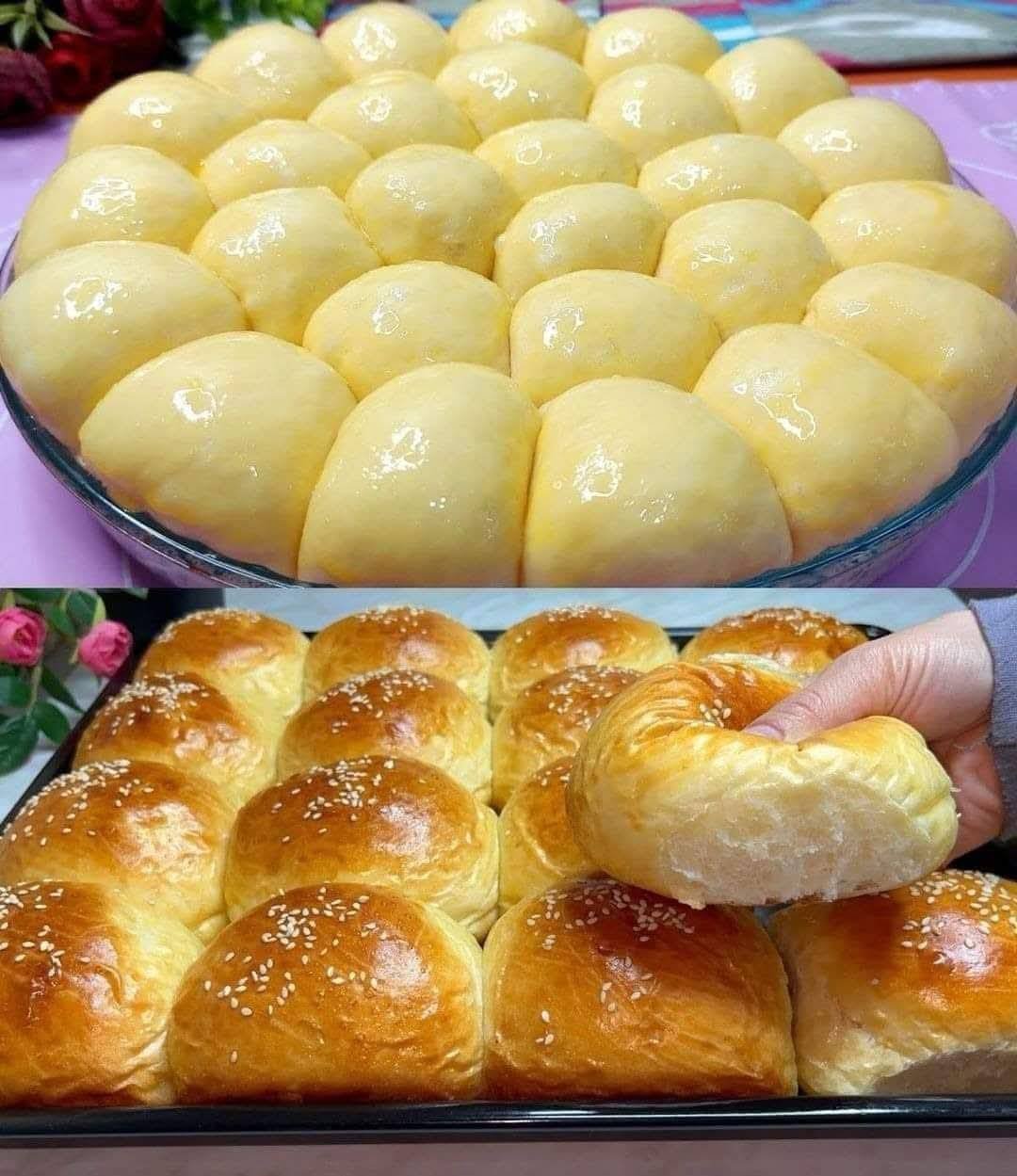
First Rise (Proofing) Lightly oil a large bowl, place the dough ball inside, turning once to coat. Cover with plastic wrap and a kitchen towel. Let it rise for about 1 hour, until it has doubled in size.
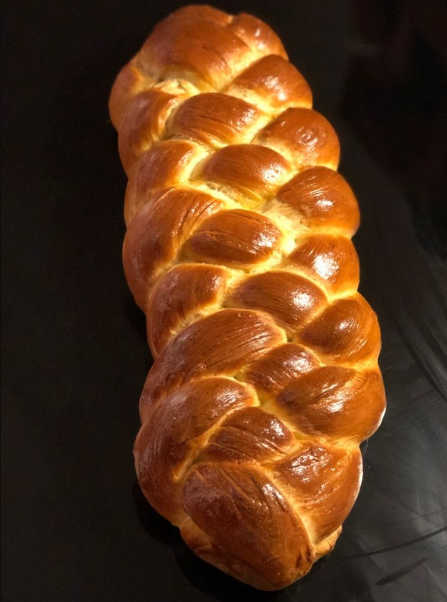
Shape the Loaf Gently deflate the dough on a floured surface. Roll it out into a rectangle by hand. Spread with a bit of softened butter, then roll it up jelly-roll style. Use a pizza cutter or sharp knife to score diagonal cuts on top (to encourage beautiful braiding and expansion).
Second Rise & Prep Place the shaped loaves into greased loaf pans (optionally lined with parchment). Cover loosely and let rise for 20 minutes.
Brush & Bake Preheat oven to 180°C (365°F). In a small bowl, mix egg yolk with milk and brush generously over the loaves. Bake for 30–35 minutes, until golden-brown and hollow-sounding when tapped. Made by Emily
Cool & Enjoy Let the bread rest slightly before slicing. Serve warm—perfect with butter, jam, or alongside stews and soups. Made by Emily
Why This Recipe Works
Milk and butter enrich the dough, creating a tender, moist crumb.
Two-stage proofing ensures a light, fluffy texture.
Scoring allows an appealing braided appearance and even expansion.