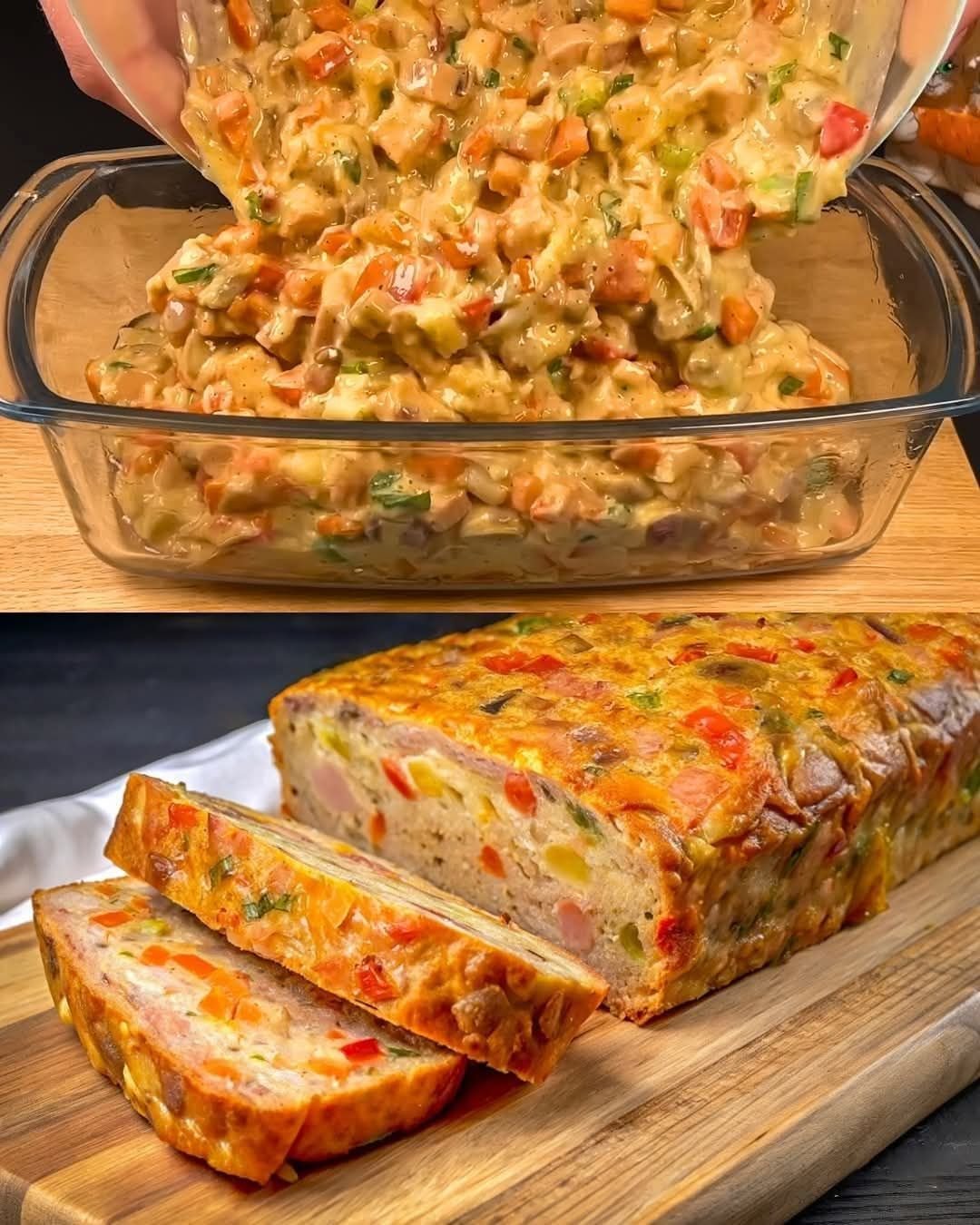
The Ultimate Guide to Beef Roast Pot with Potatoes and Carrots 😋😍
The Ultimate Guide to Beef Roast Pot with Potatoes and Carrots 😋😍
When the air gets crisp and the days grow shorter, few things are as satisfying as a comforting pot roast, especially one infused with the flavors of garlic, herbs, and hearty vegetables. A Beef Roast Pot with Potatoes and Carrots is the kind of meal that warms both the body and the soul—a dish passed down through generations, bringing families together around the table.
In this extensive guide, we’ll uncover the origins of this beloved dish, explore tips and tricks for achieving melt-in-your-mouth beef, and walk you through a step-by-step recipe that’s sure to become a family favorite. From choosing the right cut of beef to creating a rich gravy that ties everything together, we’ve got you covered! 🍖🥕🥔
A Brief History of the Pot Roast: From Europe to America
The pot roast has humble origins in Europe, where slow-cooking was a method to tenderize tough cuts of meat and stretch ingredients to feed larger families. French immigrants introduced the technique of braising—browning meat and then simmering it slowly with liquid—to America. Meanwhile, German immigrants contributed with their sauerbraten, a vinegar-marinated roast served with vegetables.
Over time, these techniques blended, and the American pot roast was born: a savory dish featuring seared beef, aromatic herbs, and root vegetables, all slow-cooked to perfection. The simplicity and heartiness made it a staple for Sunday dinners, symbolizing warmth, comfort, and tradition.
Why We Can’t Resist Pot Roast with Potatoes and Carrots
Hearty and Satisfying: The combination of tender beef, soft potatoes, and sweet carrots is filling and delicious.
Convenient Cooking: Everything cooks in one pot, making cleanup easy.
Versatile Leftovers: Shred the beef for tacos, sandwiches, or a hearty stew.
Crowd-Pleaser: Even picky eaters can’t resist this dish.
The Secret to Tender Beef: Choosing the Right Cut
The key to a mouthwatering pot roast is choosing the right cut of beef. Tougher cuts with ample connective tissue break down during slow cooking, becoming tender and juicy. Here are some of the best cuts for this recipe:
Chuck Roast: The most popular choice for its marbling and deep flavor.
Brisket: Rich and beefy but requires longer cooking.
Rump Roast: Leaner, with a more intense beef flavor.
Short Ribs: For a slightly different take, short ribs add richness and complexity.
Tip: Look for cuts with good marbling—those white flecks of fat ensure tenderness and flavor.
Building Layers of Flavor: The Importance of Searing
Before slow-cooking, searing the beef is a non-negotiable step. The process of Maillard reaction—when the meat browns—adds a depth of flavor that can’t be achieved otherwise. Here’s how to do it right:
Pat Dry: Moisture is the enemy of a good sear. Use paper towels to dry the beef.
Season Generously: Salt and pepper are a must.
Hot Pan: Ensure the oil is shimmering before adding the meat.
Don’t Move It: Let each side brown for 4–5 minutes without touching.
Selecting the Right Vegetables: Potatoes and Carrots
The classic combination of potatoes and carrots brings a balance of flavors and textures to the pot roast. Here’s what works best:
Potatoes: Yukon Golds hold their shape, while Russets break down and thicken the sauce.
Carrots: Cut into thick chunks so they don’t turn to mush.
Onions and Celery: Optional, but they add aromatic depth.
Tip: Add vegetables halfway through cooking if you prefer them less soft.
Recipe: Beef Roast Pot with Potatoes and Carrots 😋😍