Szilvás Gombóc: A Journey into the Heart of Hungarian Cuisine
Szilvás Gombóc: A Journey into the Heart of Hungarian Cuisine
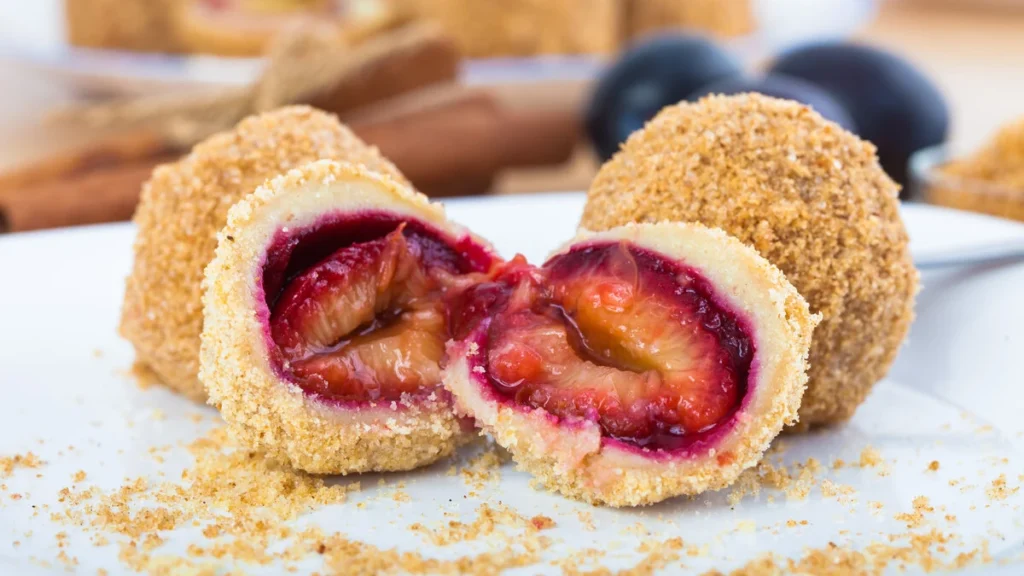
Szilvás Gombóc, or Hungarian Plum Dumplings, is a dish that holds a special place in the hearts of Hungarians. This beloved dessert combines the natural sweetness of plums with a pillowy-soft dough, all topped with crispy, golden breadcrumbs. It’s a dessert that has stood the test of time and is passed down through generations, a true staple of Hungarian culinary tradition. Whether it’s a family gathering, a festive occasion, or simply a cozy weekend treat, Szilvás Gombóc brings people together to share in the warmth of Hungarian flavors.
A Rich Tradition: The History Behind Szilvás Gombóc
Hungary is a country rich in culinary history, with a diverse range of flavors shaped by its culture and geography. The country’s agriculture, abundant in fruits, vegetables, and grains, plays a crucial role in Hungarian cuisine. One of the fruits most cherished in Hungarian cooking is the plum. Hungarian plums are known for their distinctive sweetness and juiciness, making them ideal for desserts.
The origins of Szilvás Gombóc can be traced back to rural Hungarian kitchens, where frugality and resourcefulness were essential. In the early days, plums were harvested in the summer and preserved for the colder months, allowing families to enjoy them throughout the year. Over time, plums became a key ingredient in many traditional Hungarian recipes, and Szilvás Gombóc emerged as a popular dessert.
The combination of plums and dough is not unique to Hungary; many other European countries have similar dumplings, like the German “Zwetschgenknödel” or the Austrian “Zwetschkenknödel.” However, the Hungarian version stands out for its specific dough and the addition of breadcrumbs, giving the dish a rich, comforting texture that is both sweet and savory at the same time.
Key Ingredients in Szilvás Gombóc
To truly appreciate Szilvás Gombóc, one must first understand its ingredients. Each element of the dish plays a crucial role in achieving the perfect balance of flavors and textures.
Plums: The star of this dish is, of course, the plum. Hungarian plums, particularly the ‘Victoria’ variety, are known for their sweet and tangy flavor, making them perfect for dumplings. Their tender flesh becomes a juicy, syrupy filling when cooked, adding a burst of flavor to every bite.
Dough: The dough for Szilvás Gombóc is soft and smooth, made primarily from flour, egg, and milk. The dough must be pliable enough to wrap around the plums without being too heavy or dense. It should create a delicate, soft texture that complements the fruit’s juiciness.
Breadcrumbs: A generous coating of toasted breadcrumbs is a defining feature of Szilvás Gombóc. These breadcrumbs, fried in butter, add a crunchy texture and a golden-brown color to the dumplings, offering a perfect contrast to the soft dough and tender plums inside.
Butter: The butter not only helps to toast the breadcrumbs but also infuses them with a rich flavor. This element is vital to the dumpling’s overall taste, as it adds a touch of indulgence that makes this dessert so irresistible.
Powdered Sugar: A dusting of powdered sugar before serving is the final touch that brings the dish together. It provides a subtle sweetness that balances the tanginess of the plums and the richness of the buttered breadcrumbs.
Step-by-Step Guide to Making Szilvás Gombóc
Making Szilvás Gombóc from scratch is a rewarding experience that brings the flavors of Hungary into your kitchen. Though the process involves multiple steps, it is relatively straightforward, and the end result is nothing short of extraordinary.
1. Preparing the Dough
The first step in creating Szilvás Gombóc is to prepare the dough. In a large mixing bowl, combine flour, salt, and a tablespoon of sugar (if you prefer a sweeter dough). Make a well in the center of the flour mixture, and crack an egg into the well. Gradually add the milk while mixing with your hands or a spoon until the dough starts to come together. Knead the dough until it is smooth and elastic, adding more milk if necessary. Cover the dough with a damp cloth and let it rest for 30 minutes. This resting time helps the dough relax and become easier to roll.
2. Preparing the Plums
While the dough is resting, wash and pit the plums. If you prefer, you can cut them into halves or quarters, depending on their size. Sprinkle the plums with sugar and cinnamon (if using). This will draw out the juices and infuse the plums with sweetness, creating a delightful filling for your dumplings.
3. Forming the Dumplings
Once the dough has rested, divide it into small portions, enough to wrap around one plum each. Roll each portion into a ball and flatten it into a small disc. Place a plum in the center of each disc and carefully pinch the edges of the dough around the plum, sealing it completely. Be sure to form a smooth, round dumpling. Repeat the process until all the dumplings are formed.
4. Boiling the Dumplings
Bring a large pot of salted water to a boil. Carefully drop the dumplings into the boiling water, making sure not to overcrowd the pot. Cook the dumplings in batches if necessary. They are ready when they float to the surface of the water, which typically takes about 10 minutes. Once they float, remove them gently with a slotted spoon and place them on a clean kitchen towel to drain excess water.
5. Toasting the Breadcrumbs
While the dumplings are boiling, melt the butter in a large skillet over medium heat. Add the breadcrumbs and toast them until they are golden brown and crispy, stirring occasionally to ensure they don’t burn. The toasted breadcrumbs should have a nutty aroma and a deep golden color.