Hungarian Shortbread: A Delicious Tradition of Crumbly Perfection
Key Ingredients in Hungarian Shortbread
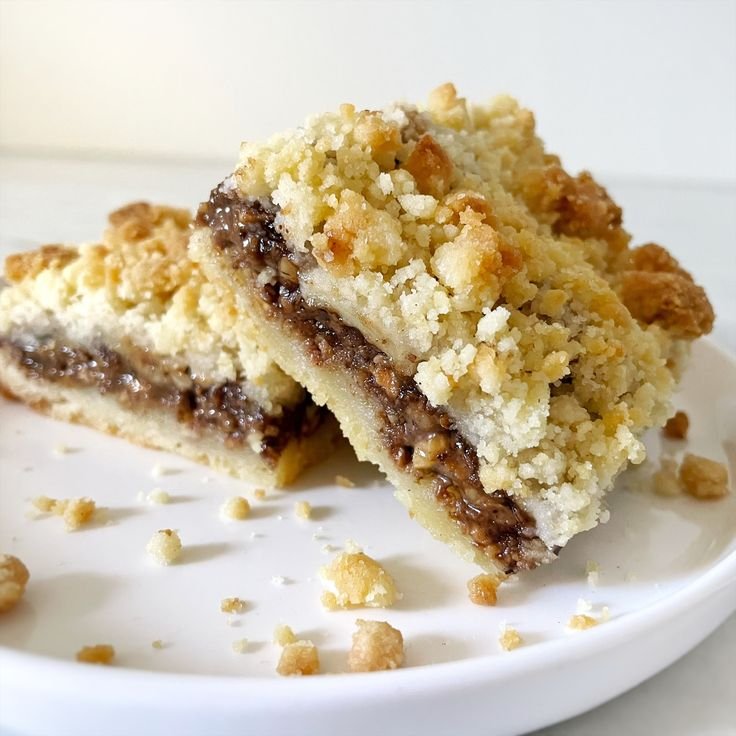
The appeal of Hungarian shortbread lies in its simplicity and high-quality ingredients. The dough, which is buttery and tender, forms the base of this pastry. The recipe typically calls for just a handful of basic ingredients, each playing an important role in creating the perfect crumbly texture.
1. Butter:
Butter is the star of Hungarian shortbread. It imparts a rich, creamy flavor to the dough and contributes to the tender, crumbly texture that makes this pastry so irresistible. The high butter content ensures that the shortbread melts in your mouth, giving it the luxurious mouthfeel that is characteristic of the best shortbread.
2. Flour:
The flour used in Hungarian shortbread is typically all-purpose flour. The balance between the flour and butter is crucial for achieving the correct texture—too much flour, and the dough becomes tough; too little, and it lacks structure. The ratio is carefully balanced to achieve that delicate crumb.
3. Sugar:
Sugar sweetens the dough and enhances the buttery flavor. In Hungarian shortbread, the sugar is usually granulated white sugar, but in some recipes, powdered sugar is used to create an even finer texture. A pinch of salt is often added to balance the sweetness and bring out the richness of the butter.
4. Egg Yolk:
Egg yolks are often incorporated into the dough to enrich it and add moisture. They help bind the dough together while maintaining its delicate, short texture. The addition of egg yolk also contributes to the golden color of the shortbread.
5. Vanilla Extract:
Vanilla extract is a common addition to Hungarian shortbread dough, adding a lovely, fragrant note to the pastry. It complements the buttery flavor and provides depth to the overall taste of the shortbread.
6. Optional Additions:
While the basic Hungarian shortbread recipe is quite simple, many variations include different flavorings or fillings. Some of the most popular additions include:
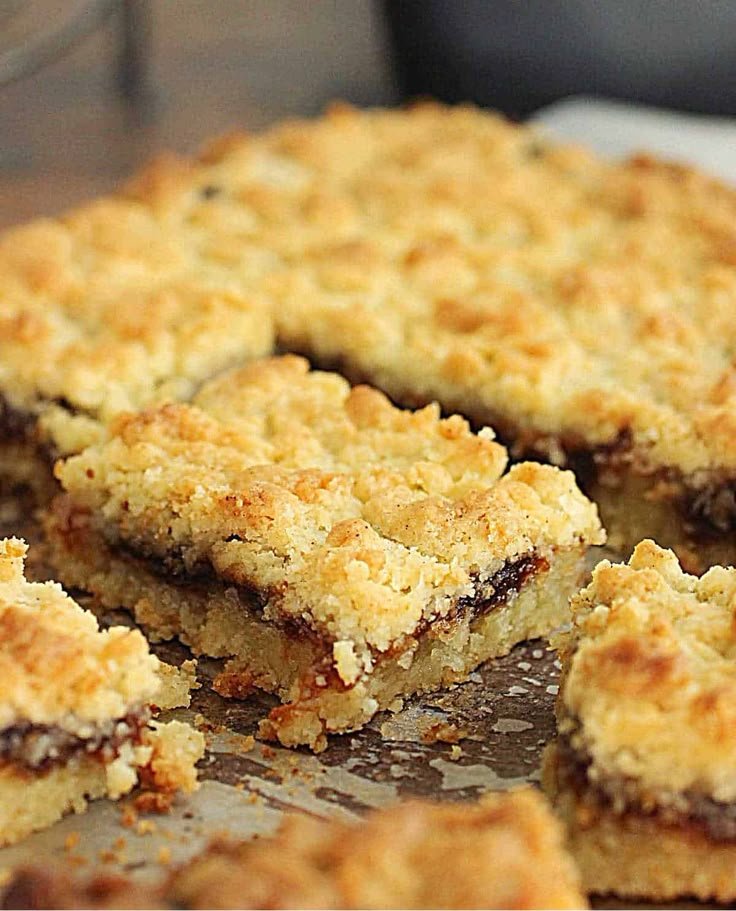
Fruit Preserves: Apricot jam, raspberry jam, or plum preserves are frequently used as a filling, giving the shortbread a fruity, tangy contrast to the rich dough.
Nuts: Chopped walnuts, hazelnuts, or almonds can be added to the dough for a delightful crunch. Sometimes, nuts are sprinkled on top or incorporated into the filling.
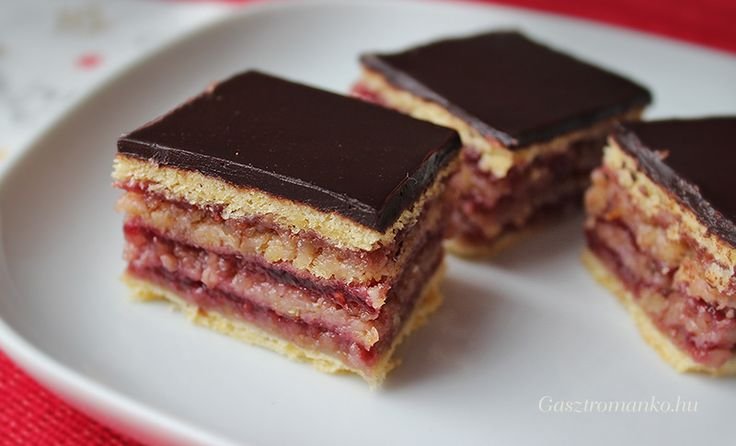
Chocolate: A thin layer of dark or milk chocolate can be added for an extra indulgent treat.
Cocoa Powder: Some variations use cocoa powder in the dough for a chocolatey twist.
These additions enhance the flavor profile of the shortbread and give it a personal touch, depending on the region and the preferences of the baker.
How to Make Hungarian Shortbread
Now that we’ve explored the history and ingredients, let’s dive into the step-by-step process of making Hungarian shortbread in your own kitchen. This recipe will yield tender, buttery shortbread cookies that are perfect for any occasion.
Ingredients:
2 ½ cups all-purpose flour
1 cup unsalted butter, cold and cut into small cubes
⅓ cup granulated sugar
1 large egg yolk
1 tsp vanilla extract
A pinch of salt
Optional: ½ cup fruit preserves (apricot, raspberry, or plum), 1/4 cup chopped nuts (optional)
Instructions:
Prepare the Dough:
Start by preheating your oven to 350°F (175°C). Line a baking sheet with parchment paper or grease it lightly.
In a large mixing bowl, combine the flour, sugar, and salt. Add the cold butter cubes and use a pastry cutter or your fingers to work the butter into the dry ingredients until the mixture resembles coarse crumbs.
Add the egg yolk and vanilla extract. Mix everything together until the dough comes together. You may need to use your hands to knead the dough gently until it forms a smooth ball.
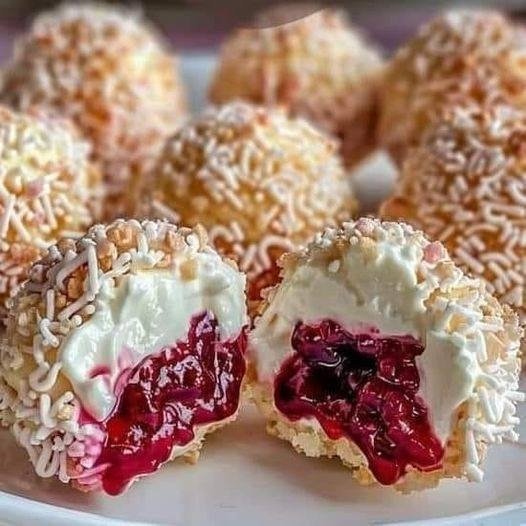
If you’re using fruit preserves, roll the dough into small balls (about 1 inch in diameter), then press your thumb into the center of each ball to create a small well. Fill the well with a small amount of jam. Alternatively, you can roll out the dough and cut it into squares or circles, topping each piece with a dollop of jam or nuts.
Shape the Shortbread:
Once the dough is formed, roll it out on a lightly floured surface to about ¼ inch thickness. You can also press the dough into a tart pan or shortbread mold if you prefer a more uniform shape.
Cut the dough into squares or use cookie cutters to create fun shapes. If you want to make thumbprint cookies, gently press your thumb into the center of each round of dough and fill it with a teaspoon of fruit preserves.
Bake the Shortbread:
Arrange the shaped shortbread on the prepared baking sheet, leaving some space between each piece.
Bake the shortbread for 10–12 minutes, or until the edges turn a light golden brown. Be careful not to over-bake, as shortbread can quickly become dry if left in the oven too long.
Cool and Serve:
Remove the shortbread from the oven and let it cool on the baking sheet for a few minutes before transferring it to a wire rack to cool completely.
Once cooled, the shortbread can be served as is, or dusted with powdered sugar for an elegant touch. If you used jam or chocolate, you’ll have a delightful contrast of flavors in each bite.
Variations and Serving Suggestions
Hungarian shortbread can be enjoyed in many forms, and you can experiment with different flavorings and fillings. Here are a few variations to try:
Jam-filled Shortbread: Use your favorite fruit preserves (apricot, raspberry, or strawberry) to fill the shortbread for a burst of sweetness.
Nutty Shortbread: Add finely chopped walnuts, almonds, or hazelnuts to the dough for a crunchy texture.
Chocolate-Dipped Shortbread: After baking, dip one half of each shortbread in melted chocolate for a rich, indulgent treat.
Spiced Shortbread: Add ground cinnamon, nutmeg, or cardamom to the dough for a warm, spiced flavor perfect for fall and winter.
Hungarian shortbread is delicious on its own but also pairs wonderfully with a hot cup of tea or coffee. Its delicate crumb and rich, buttery flavor make it the perfect dessert for any occasion—whether you’re hosting a special celebration or simply enjoying a quiet moment with friends and family.
Conclusion: A Taste of Hungary in Every Bite
Hungarian shortbread, or Rövid Tészta, is more than just a pastry; it’s a slice of Hungarian culture and history. With its simple yet rich ingredients and crumbly texture, this dessert continues to be a favorite among families worldwide. Whether you enjoy it plain, with jam, or dressed up with chocolate, Hungarian shortbread is a versatile treat that can be adapted to suit any taste. By following this easy recipe, you can create your own batch of this timeless Hungarian classic and share the love of baking with those closest to you. Enjoy the buttery, melt-in-your-mouth magic of Hungarian shortbread today!