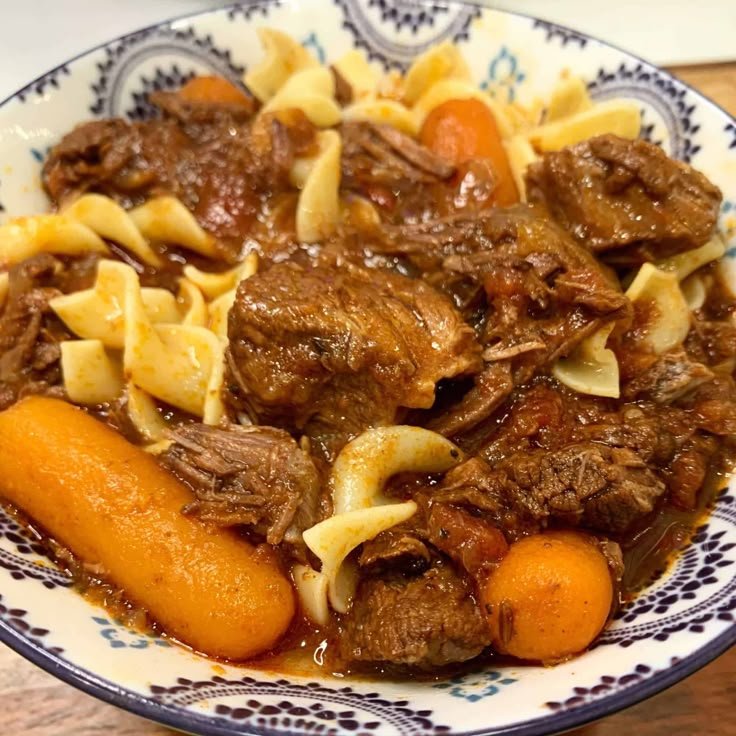
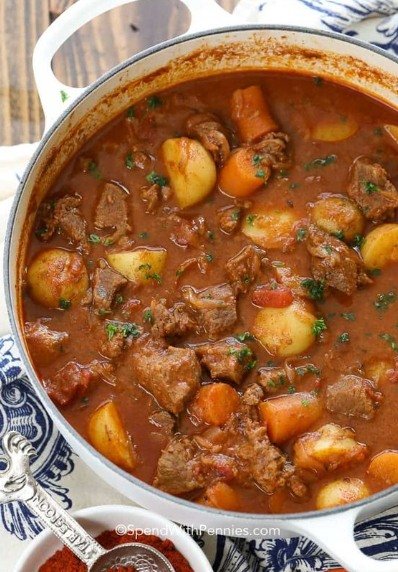
Hungarian Goulash (Gulyás) – A Taste of Hungary’s Culinary Heritage 🇭🇺🍲
Hungarian Goulash (Gulyás) – A Taste of Hungary’s Culinary Heritage 🇭🇺🍲
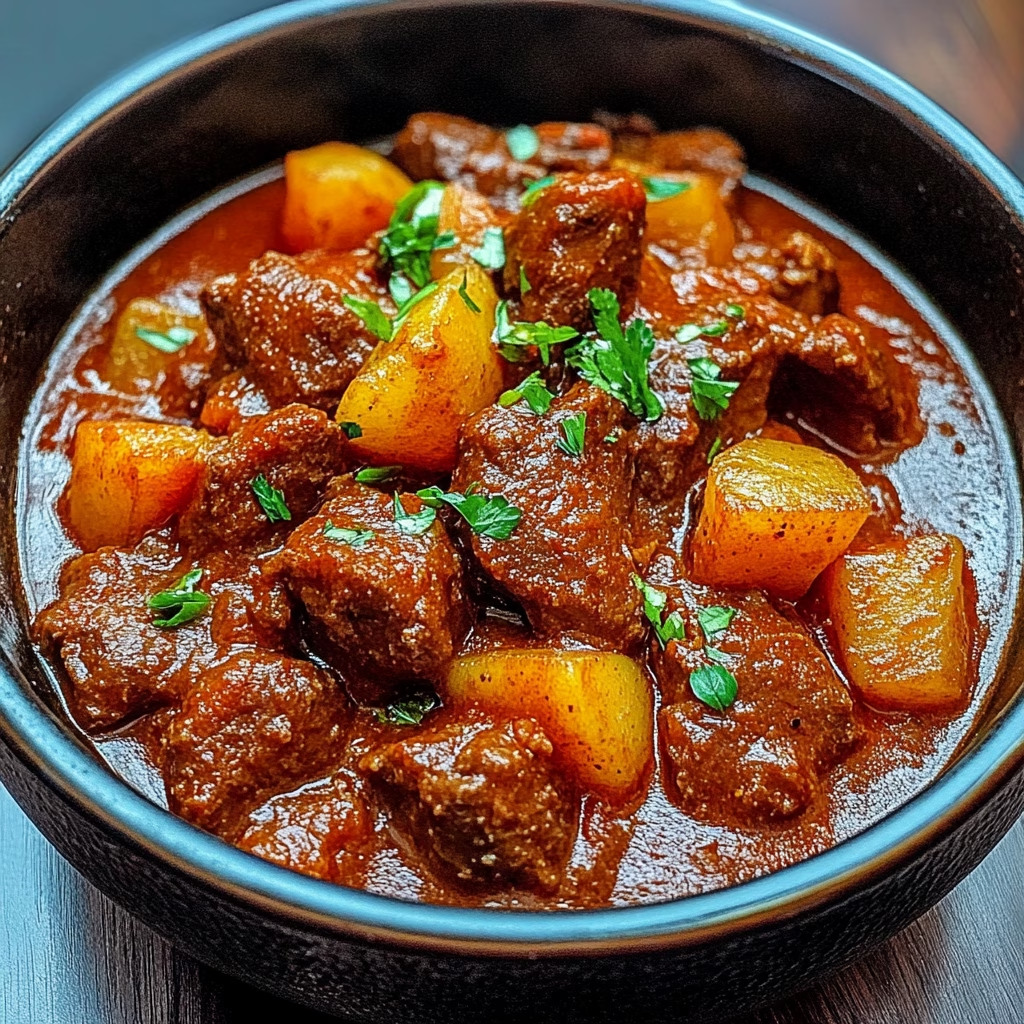
Hungarian goulash, known as Gulyás in Hungary, is one of the country’s most famous and beloved dishes. It is more than just a stew—it’s a rich, hearty dish deeply rooted in Hungarian culture, dating back to the 9th century. Traditionally prepared by Hungarian shepherds over an open fire, goulash has become an internationally recognized comfort food known for its bold flavors, tender meat, and signature paprika-infused broth.
If you’re looking for a warm, filling meal that brings people together, Hungarian goulash is the perfect choice. In this article, we’ll explore the history of goulash, its key ingredients, variations, and a step-by-step recipe so you can make an authentic Hungarian goulash at home.
The History of Hungarian Goulash
The word “Gulyás” means “herdsman” or “cowboy” in Hungarian, as the dish originated with cattle herders who cooked beef in large cast-iron cauldrons over open flames. Unlike modern stews, the original version was more of a thick soup made with beef, onions, and paprika—an essential spice introduced to Hungary in the 16th century.
Over time, Hungarian goulash evolved into different variations, but authentic goulash always maintains a balance between soup and stew, with rich, spicy, and smoky flavors that define Hungarian cuisine.
What Makes Hungarian Goulash Unique?
Hungarian goulash is not just another beef stew. The key elements that distinguish it from other stews include:
✅ Paprika – Hungarian sweet paprika is the most essential spice, giving goulash its rich red color and smoky-sweet depth. ✅ No Thickening Agents – Unlike many stews that use flour or cornstarch to thicken, goulash relies on the starch from potatoes to naturally thicken the broth. ✅ Slow Cooking – The dish is simmered slowly, allowing the beef to become incredibly tender and flavorful. ✅ A Balance Between Soup and Stew – Unlike thick stews, goulash has a slightly brothy consistency, making it both filling and comforting.
Authentic Hungarian Goulash Recipe 🍲
Ingredients (Serves 4-6)
2 lbs (900g) beef chuck or shin, cut into bite-sized cubes
2 tbsp lard or vegetable oil
2 large onions, finely chopped
3 cloves garlic, minced
2 tbsp Hungarian sweet paprika (use high-quality paprika for the best flavor)
1 tsp caraway seeds, crushed (optional, but traditional)
2 medium carrots, sliced
2 medium potatoes, peeled and cubed
1 large red bell pepper, chopped
2 medium tomatoes, diced
4-5 cups beef broth or water
1 tsp salt, or to taste
½ tsp black pepper
1 bay leaf
1 tbsp vinegar or red wine (optional, for depth of flavor)
Chopped fresh parsley for garnish
Step-by-Step Instructions
Step 1: Sauté the Onions
In a large pot or Dutch oven, heat the lard (or oil) over medium heat.
Add the chopped onions and cook until golden brown. Stir frequently to prevent burning.
Add the garlic and caraway seeds, stirring for about 30 seconds until fragrant.
Step 2: Add the Paprika and Beef
Remove the pot from the heat and stir in Hungarian sweet paprika. This step is important to prevent the paprika from burning, which would make it bitter.
Return the pot to medium heat and add the beef cubes, tossing them in the paprika-onion mixture until well coated.
Step 3: Simmer the Beef
Pour in the diced tomatoes and red bell pepper, then add the beef broth (or water).
Stir well, bring to a gentle simmer, and add bay leaf, salt, and black pepper.
Cover and let it cook on low heat for about 1.5 to 2 hours, stirring occasionally. The beef should become fork-tender.
Step 4: Add Vegetables
Once the beef is tender, add the carrots and potatoes.
Let the goulash simmer for another 20-30 minutes until the vegetables are soft and the broth has slightly thickened.
If using, add vinegar or red wine to enhance the depth of flavor.
Step 5: Serve and Enjoy
Remove the bay leaf and taste the goulash, adjusting seasoning if needed.
Garnish with chopped fresh parsley and serve hot with crusty bread, csipetke (Hungarian pinched noodles), or dumplings.