Hungarian Cheesecake: A Deliciously Creamy Dessert
Variations and Serving Suggestions
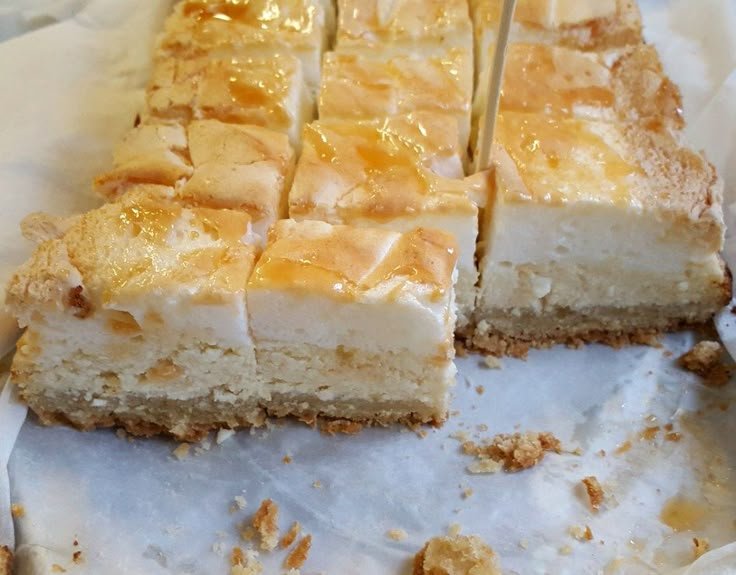
Hungarian cheesecake can be enhanced with raisins, a drizzle of fruit syrup, or a dollop of whipped cream. Some enjoy it with a light fruit compote made of cherries, apricots, or raspberries. You can also add a crunchy base made from crushed biscuits and melted butter for a more structured texture.
Nutritional Benefits
Túró, the key ingredient, is rich in protein and calcium, making this cheesecake a relatively nutritious dessert. Compared to traditional cheesecakes, it contains less fat and sugar, making it a lighter choice for those looking to indulge without overindulgence.
Hungarian Cheesecake in Modern Cuisine
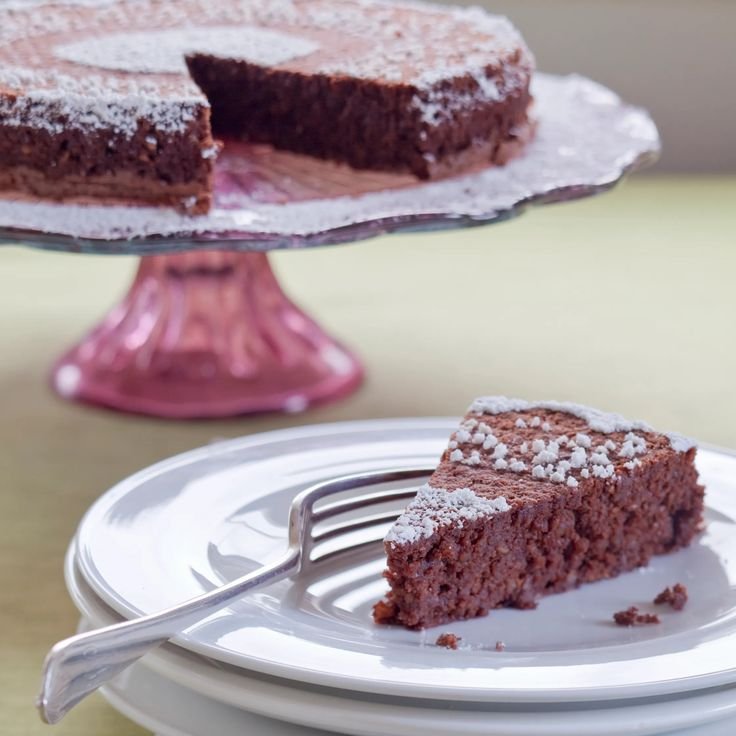
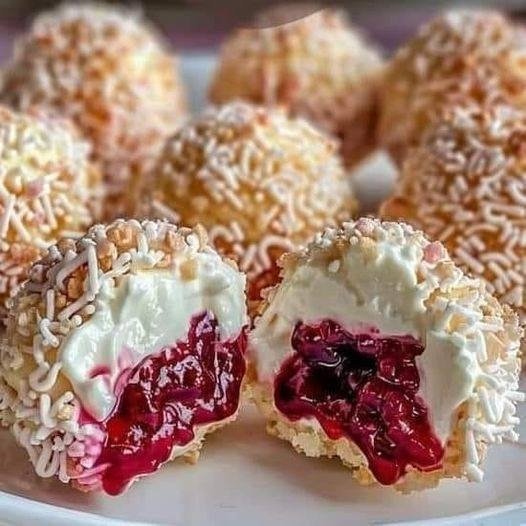
With the rising popularity of Central European cuisine, Hungarian cheesecake has gained appreciation beyond Hungary’s borders. It has inspired variations in bakeries and restaurants worldwide, where chefs experiment with different toppings, fillings, and presentation styles. Some versions incorporate chocolate, nuts, or even a layered effect with fruit fillings.
Conclusion
Hungarian cheesecake is a delightful representation of Hungary’s rich culinary heritage. Whether served at a festive gathering, a cozy family meal, or as an everyday treat, it brings a taste of tradition and history to the table. Its delicate balance of flavors, light texture, and versatile nature make it a dessert worth savoring and sharing.