1 cup (240ml) warm milk (about 100–110°F or 37–43°C)
¼ cup (60g) unsalted butter, melted
2 egg yolks (for dough)
1 teaspoon vanilla extract
½ teaspoon salt
1 egg + 1 tablespoon water (for egg wash)
Optional additions:
Zest of 1 lemon or orange (for extra flavor)
1 teaspoon rum (traditional in some families)
🥄 How to Make It:
Step 1: Activate the Yeast
In a small bowl, combine the warm milk, a pinch of sugar, and the yeast.
Let it sit for about 5–10 minutes, until it becomes frothy and bubbly.
(If the yeast doesn’t foam, start over — the milk may have been too hot or too cold.)
Step 2: Prepare the Dough
In a large mixing bowl, whisk together the flour, sugar, and salt.
Make a well in the center and add the egg yolks, melted butter, vanilla extract, and the foamy yeast mixture.
Mix everything together with a wooden spoon or dough hook until it starts to come together.
Knead the dough on a lightly floured surface for 8–10 minutes until smooth, soft, and elastic.
(The dough should be slightly sticky but not cling to your hands.)
Step 3: Let It Rise
Form the dough into a ball and place it in a lightly greased bowl.
Cover it with a clean kitchen towel or plastic wrap.
Let it rise in a warm spot for about 1 to 1½ hours, or until doubled in size.
The magic is happening!
Step 4: Shape the Braids
Once risen, punch down the dough gently to release air.
Turn it out onto a floured surface and divide it into three equal pieces (or more if you want a fancier braid — some traditional kalács use 6 strands!).
Roll each piece into a long rope, about 18–20 inches (45–50 cm) long.
Pinch the ends together at the top and braid the ropes like you would braid hair.
Tuck the ends under neatly to give the loaf a finished look.
Step 5: Second Rise
Place the braided loaf onto a parchment-lined baking sheet.
Cover lightly and let it rise again for about 30–45 minutes, until puffy.
Step 6: Egg Wash and Bake
Preheat your oven to 350°F (180°C).
In a small bowl, beat 1 egg with 1 tablespoon water to make an egg wash.
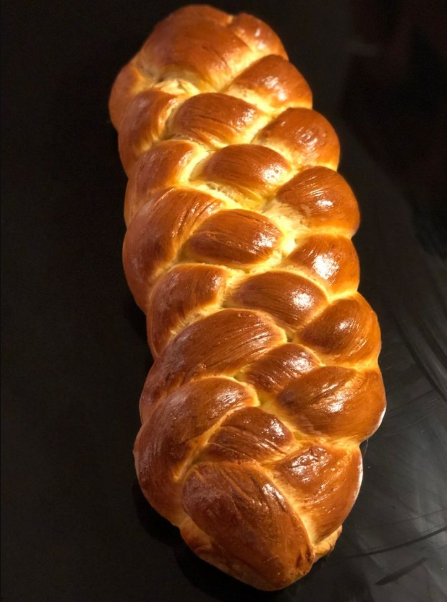
Brush the entire loaf generously with the egg wash — this gives it that beautiful shiny golden finish!
Bake for 25–30 minutes, until deeply golden and the bread sounds hollow when tapped on the bottom.
(If the top is browning too quickly, you can loosely tent it with foil halfway through.)
Step 7: Cool and Enjoy
Let your kalács cool completely on a wire rack before slicing.
Admire your work — you’ve created a true Hungarian masterpiece!
✨ How to Serve Fonott Kalács
Simply sliced with a pat of butter.
Spread with apricot jam (a Hungarian classic).
Served with a little honey or Nutella.
Dipped into hot cocoa or coffee for a cozy morning.
Turn leftovers into French toast — absolutely divine!
🕊️ A Little History
Kalács has been part of Hungarian tradition since the 15th century! It was once a luxury reserved for Easter and Christmas tables because white flour and sugar were rare and precious. Over time, it became a Sunday treat, often made by grandmothers and mothers as a symbol of celebration, sharing, and love.
The braiding represents unity and connection — strands of life woven together. Every bite of kalács carries the warmth of countless kitchens across generations. ❤️
🍴 Tips for the Best Fonott Kalács:
Warm environment = better rise. A slightly warmed (but OFF) oven with a bowl of hot water works great.
Butter your hands slightly when shaping if the dough is sticky.
For a richer taste, you can replace part of the milk with heavy cream.
Would you also like a special version of Fonott Kalács with a filling inside (like sweet walnut, poppy seed, or even cinnamon butter) just like some old Hungarian families used to do? 😍 I can write that too if you want! 🎀