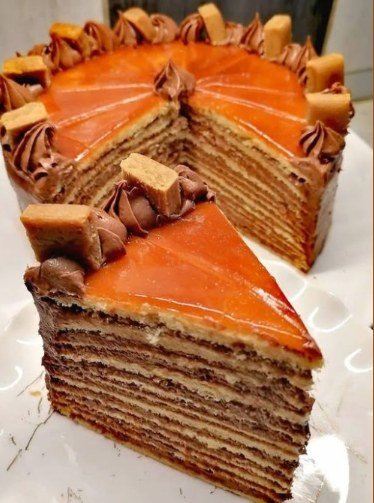
Esterházy Cake: The Crown Jewel of Hungarian Pastry
Here’s an in-depth and engaging long-form article on Esterházy Cake, covering its history, cultural significance, step-by-step preparation, variations, and expert tips. This is perfect for your blog audience, providing them with both rich storytelling and a detailed recipe!
Esterházy Cake: The Crown Jewel of Hungarian Pastry
Hungary is a country with a rich culinary tradition, especially when it comes to desserts. From Dobos Torte to Chimney Cake (Kürtőskalács), Hungarian sweets have captured the hearts of food lovers worldwide. However, one of the most elegant and refined Hungarian cakes is the Esterházy Cake (Esterházy Torta).
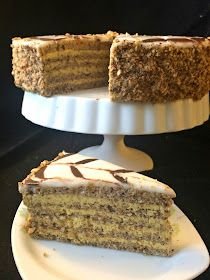
This multi-layered delight, made with nutty sponge cakes, velvety buttercream, and an eye-catching spiderweb glaze, is not only beautiful but also incredibly delicious. Whether served in a traditional Hungarian café or prepared for a special celebration, Esterházy Cake remains a symbol of luxury, craftsmanship, and indulgence.
If you’ve ever wanted to recreate this classic Hungarian masterpiece, this article will guide you through its history, ingredients, preparation, and expert tips to make it a stunning success.
A Glimpse into the History of Esterházy Cake
Like many great European desserts, Esterházy Cake has a story deeply rooted in aristocracy. The cake was first created in the late 19th century and was named after Prince Paul III Anton Esterházy, a diplomat and member of the wealthy Esterházy family—one of Hungary’s most influential noble houses.
The cake quickly became a favorite among Hungarian and Austrian royalty due to its sophisticated layers, delicate flavors, and intricate design. Over time, it spread beyond aristocratic circles and became a beloved classic in Hungary, Austria, Germany, and other parts of Central Europe.
What Makes Esterházy Cake So Special?
Esterházy Cake isn’t just another layered cake. It has a unique texture and flavor profile that makes it stand out:
✔️ Flourless Nut Sponge – Made with ground walnuts, almonds, or hazelnuts, giving the cake a light yet chewy texture. ✔️ Silky Buttercream Filling – Traditionally made with egg yolks, butter, and vanilla or cognac, resulting in a smooth, rich, and creamy consistency. ✔️ Signature Spiderweb Glaze – A white fondant glaze with a dark chocolate spiderweb pattern, giving the cake an elegant and artistic appearance. ✔️ Delicate Yet Satisfying – The balance of nutty sponge, creamy filling, and slightly crisp glaze makes each bite harmonious and indulgent.
This cake isn’t just a dessert—it’s a culinary experience, blending aristocratic elegance with masterful pastry craftsmanship.
Essential Ingredients for the Perfect Esterházy Cake