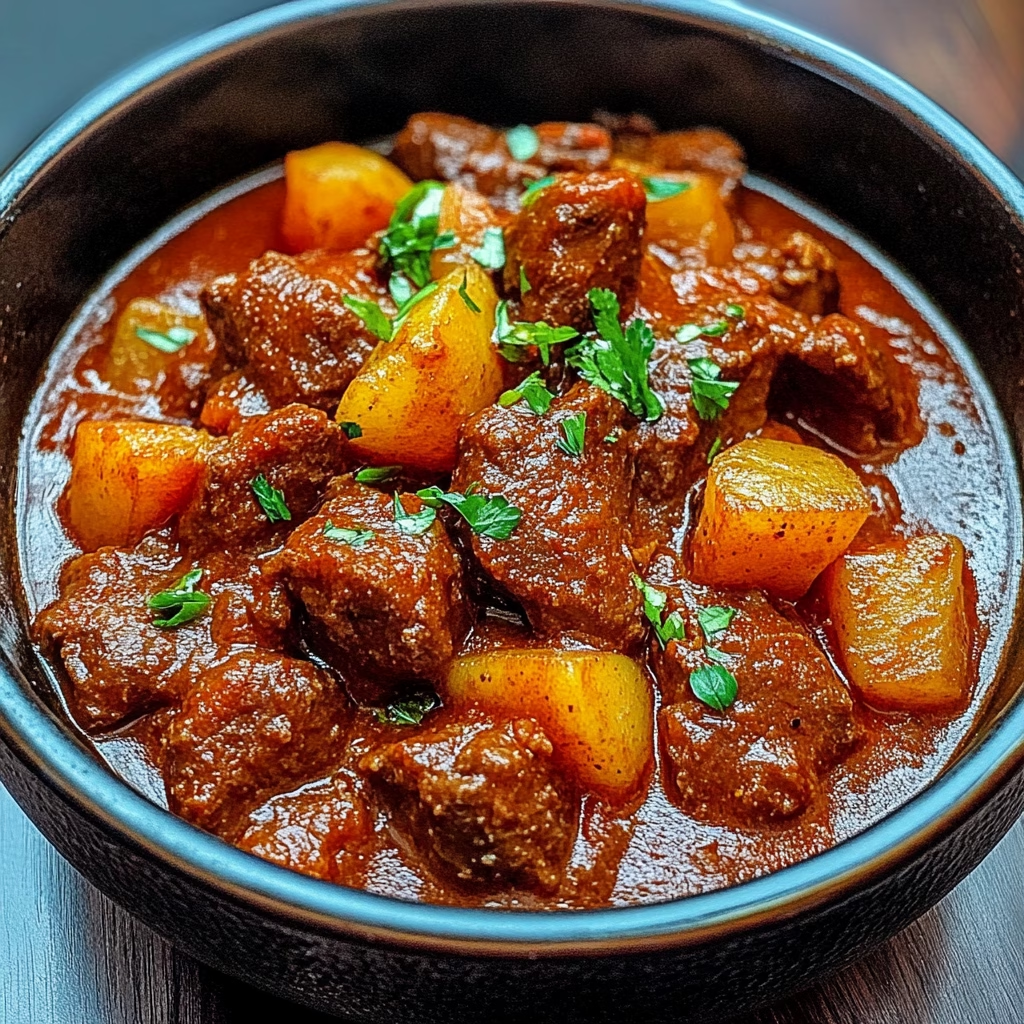
Authentic Hungarian Lecsó: A Taste of Tradition and Comfort
Authentic Hungarian Lecsó: A Taste of Tradition and Comfort
Hungarian cuisine is rich with bold flavors, traditional ingredients, and time-honored recipes that have been passed down through generations. One of the most iconic dishes that exemplifies these qualities is Lecsó, a savory Hungarian pepper stew that brings together the perfect balance of sweetness, acidity, and smokiness. This dish is enjoyed across Hungary and is deeply rooted in the country’s culinary history. Whether served as a main or side dish, Lecsó is a must-try for anyone wanting to experience the true essence of Hungarian comfort food.
A Glimpse into the History of Lecsó
Lecsó has been a staple in Hungarian kitchens for centuries, making it one of the most beloved dishes in the country. It is said to have been inspired by the Mediterranean influence on Hungarian cooking, as peppers, tomatoes, and onions are central to the dish. The word “Lecsó” itself is derived from the Hungarian verb lecsózni, which means to stew or simmer. Over time, Lecsó has evolved into various regional variations, with different families and communities adding their own twists.
In its simplest form, Lecsó is made with bell peppers, onions, tomatoes, and paprika. It’s the Hungarian use of paprika that truly sets this dish apart, lending it its distinct flavor and aroma. Originally a summer dish, Lecsó made use of fresh, seasonal produce, and its versatility allowed it to be served with everything from sausages to eggs, rice, or bread. While the dish has undergone slight variations in different parts of Hungary, the essence of Lecsó remains the same: a hearty, flavorful stew that’s both easy to prepare and a delight to the taste buds.
Ingredients: Fresh, Flavorful, and Simple
The beauty of Hungarian Lecsó lies in its simplicity. The ingredients are straightforward, yet when combined, they create a wonderfully rich and aromatic dish that feels like a warm hug on a plate. Below are the ingredients typically used in an authentic Hungarian Lecsó recipe:
1. Bell Peppers: The star of the dish, bell peppers are a crucial element of Lecsó. Red, yellow, or green peppers (or a combination of all three) are traditionally used to add a sweet and slightly tangy flavor to the stew. Bell peppers are abundant during the summer months in Hungary, making them the perfect ingredient for this dish.
2. Onions: A common ingredient in many Hungarian dishes, onions provide the base flavor for the Lecsó. They are sautéed until soft and translucent, releasing their natural sweetness, which complements the peppers beautifully.
3. Tomatoes: Fresh, ripe tomatoes are essential to this dish, as they add acidity and juiciness, balancing the sweetness of the peppers and onions. Tomatoes also help create the sauce-like consistency that makes Lecsó so comforting.
4. Garlic: Garlic is often used to enhance the overall flavor of the dish. While not overwhelming, its presence adds an aromatic depth to the stew.
5. Paprika: This is the quintessential Hungarian spice and the heart and soul of Lecsó. Hungarian sweet paprika, in particular, adds a rich, smoky flavor to the dish. It’s the key to achieving that characteristic taste, and it’s used generously in the recipe.
6. Vegetable Oil: To sauté the onions and garlic, a neutral vegetable oil is typically used. However, some variations may use lard or bacon fat for a richer taste.
7. Salt and Black Pepper: Basic seasonings, but absolutely necessary to bring out the flavors of the dish.
8. Optional Sausages: For a heartier meal, Hungarian sausages (often smoked or spicy) can be added to the Lecsó. These sausages bring additional depth and smokiness, making the dish more substantial and filling.
9. Optional Garnish: Fresh parsley or other herbs can be sprinkled on top for added freshness and color.
The Cooking Process: Slow Simmer for Maximum Flavor
One of the great things about Lecsó is its simplicity in preparation. While modern variations may incorporate additional steps or ingredients, the traditional method involves slowly cooking the ingredients together to allow the flavors to meld. Here’s a step-by-step breakdown of the cooking process:
Step 1: Preparing the Vegetables
Start by preparing the vegetables. Slice the bell peppers into strips or chunks, removing the seeds and stems. Slice the onions thinly and mince the garlic. Chop the tomatoes into small pieces. These simple, fresh ingredients will form the backbone of your stew.
Step 2: Sautéing the Onions and Garlic
In a large pot or skillet, heat the vegetable oil over medium heat. Add the sliced onions and cook until they are soft and translucent, about 5-7 minutes. Stir occasionally to avoid burning. Once the onions have softened, add the minced garlic and sauté for another minute, making sure not to let the garlic brown.
Step 3: Adding the Paprika
Now, it’s time to add the Hungarian sweet paprika. Sprinkle the paprika over the softened onions and garlic, stirring it in to coat the vegetables evenly. The paprika should immediately release its aroma, filling your kitchen with the comforting scent of Hungarian cuisine. This step is critical to achieving the signature taste of Lecsó.
Step 4: Adding the Peppers and Tomatoes
Add the sliced bell peppers and chopped tomatoes to the pot, stirring them to combine with the onion-paprika mixture. Season with salt and pepper to taste. At this stage, the stew will begin to take shape as the vegetables release their juices and the paprika infuses the dish with its rich, smoky flavor.