The Art of Hungarian Plum Dumplings – Szilvásgombóc: A Sweet Journey Through Tradition and Flavor
The Art of Hungarian Plum Dumplings – Szilvásgombóc: A Sweet Journey Through Tradition and Flavor
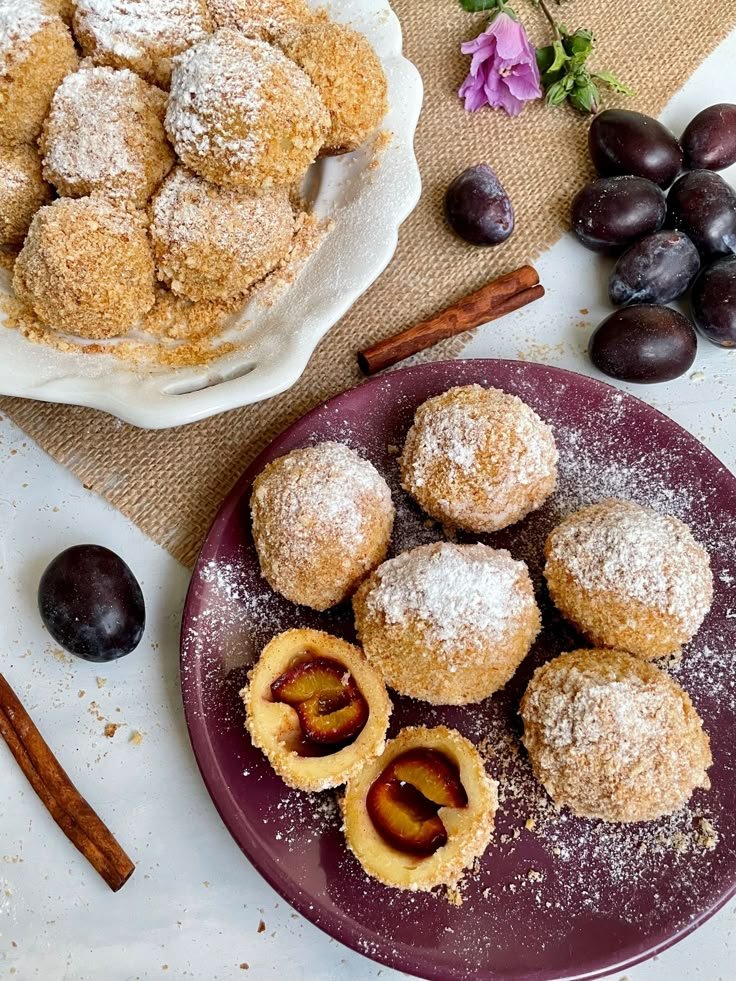
Hungary, a land of rich history, enchanting landscapes, and delicious food, offers a wide range of culinary delights that have stood the test of time. One such dish that truly captures the essence of Hungarian cuisine is Szilvásgombóc, or Hungarian Plum Dumplings. This traditional dessert is not only beloved in Hungary but also in neighboring countries, each with its own unique variation. Szilvásgombóc is a perfect harmony of textures and flavors—sweet, juicy plums enveloped in a soft, tender potato dough and coated with a golden, crispy breadcrumb mixture. It’s the epitome of comfort food, evoking feelings of warmth, nostalgia, and home-cooked love.
In this article, we’ll take a deeper dive into the history, preparation, and love surrounding Szilvásgombóc, while also providing a detailed recipe for you to try at home.
A Taste of Hungary: The Origins of Szilvásgombóc
Hungary’s cuisine is deeply influenced by its history and geography. Located in Central Europe, the country has been home to a blend of cultures and traditions over the centuries. From the Ottoman Empire to the Austro-Hungarian Empire, Hungary has seen its share of foreign influence. However, what remains constant is the love of simple, hearty dishes, often made with fresh, local ingredients.
Szilvásgombóc, though simple in its components, is a perfect example of how Hungarian chefs and home cooks elevate everyday ingredients to create something extraordinary. The dish is based on the classic concept of dumplings, which are common in many European cuisines. In Hungary, dumplings are frequently served with savory fillings, but when it comes to desserts, the dumpling concept is sweetened with fruit—most notably plums.
Plums hold a special place in Hungarian cuisine. The country is known for its abundant plum harvest, particularly in late summer and early autumn when plums are at their peak. This makes plum-based desserts, like Szilvásgombóc, a seasonal delight that marks the transition between summer and fall. The dumplings’ popularity has only grown with time, and they have become a beloved dish enjoyed by families during special occasions and holidays.
The Key Ingredients: Fresh, Simple, and Delicious
What makes Szilvásgombóc so irresistible is its simplicity. It’s a dish made from humble ingredients that come together to create something extraordinary. Here’s a closer look at the key components:
Potatoes: The base of Szilvásgombóc is the dough, which is made from mashed potatoes. The starch from the potatoes gives the dough a soft and tender texture that perfectly complements the juicy plums inside. The potatoes also add a slight savory flavor that contrasts beautifully with the sweetness of the plums.
Plums: The star of this dish is, of course, the plums. Plums are sweet, tart, and juicy, making them an ideal filling for the dumplings. Depending on the ripeness of the fruit, you may need to adjust the amount of sugar you use to balance the tartness. Traditionally, the plums are pitted and halved, but some variations use whole plums or even add a piece of sugar in the center to make the dumplings even sweeter.
Flour: All-purpose flour is added to the dough to give it structure. The balance between potatoes and flour is essential—too much flour can make the dumplings tough, while too little will result in dough that doesn’t hold together.
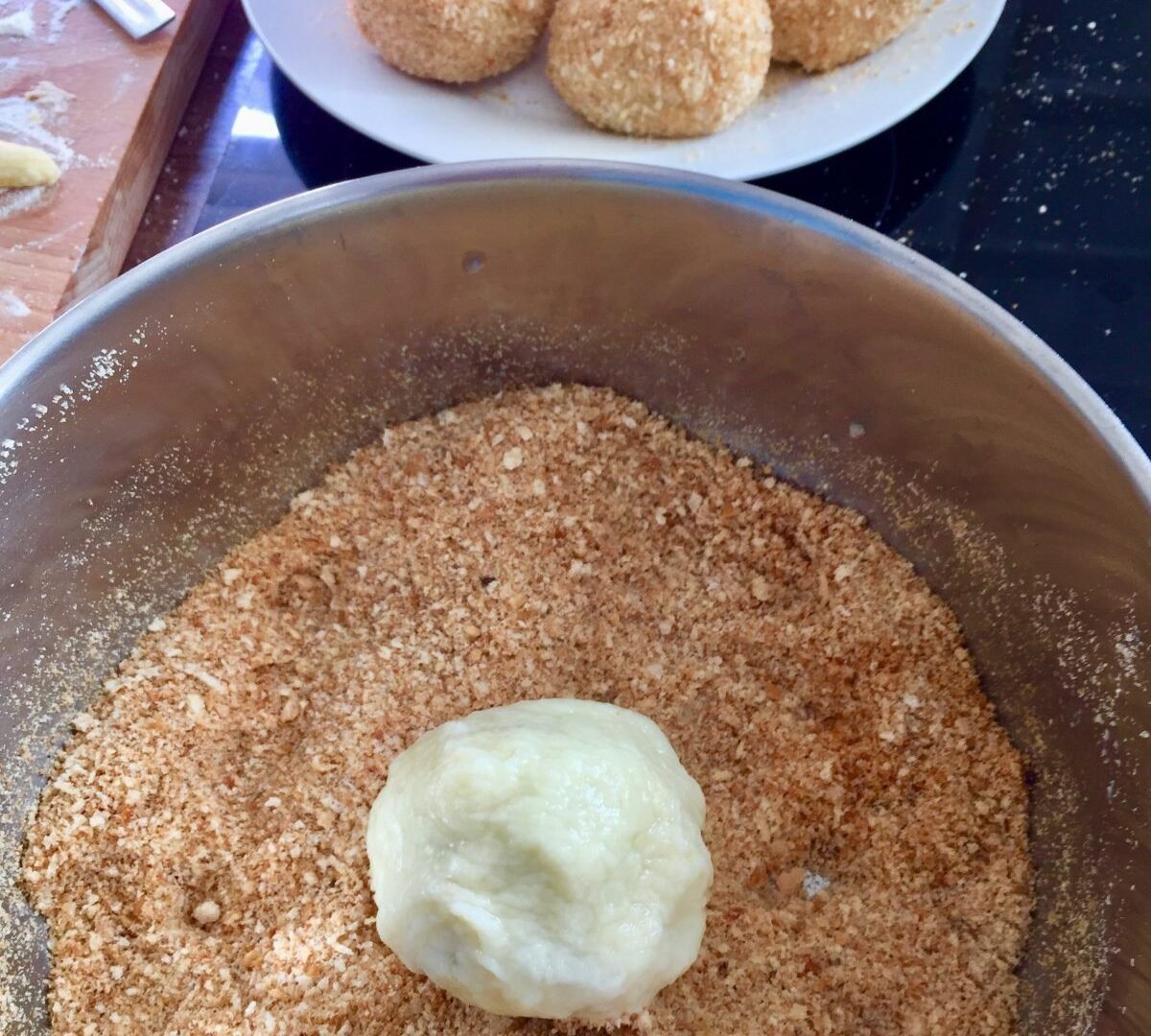
Breadcrumbs: Once boiled, the dumplings are rolled in toasted breadcrumbs. This adds a delightful crunch that contrasts with the softness of the dough. The breadcrumbs are typically toasted in butter, which gives them a rich, golden color and a wonderful buttery flavor.
Sugar and Cinnamon: After being rolled in breadcrumbs, Szilvásgombóc is often sprinkled with a mixture of sugar and cinnamon. This adds a final touch of sweetness and spice that brings everything together.
How to Make Szilvásgombóc: A Step-by-Step Guide
Making Szilvásgombóc is a labor of love, but it’s well worth the effort. The process is straightforward, but requires patience and care to achieve the perfect balance of flavors and textures. Here’s a step-by-step guide to help you create these delicious dumplings at home.
Ingredients:
2 cups potatoes (about 2 medium-sized)
1 ½ cups all-purpose flour
1 large egg
1 tbsp sugar
Pinch of salt
12-14 plums (preferably ripe, pitted, and halved)
1 tbsp sugar (for the plums)
1 tsp ground cinnamon (optional)
¼ cup breadcrumbs (for coating)
2 tbsp butter (for frying)
Instructions:
Cook the Potatoes:
Begin by peeling the potatoes and boiling them in salted water. Once they’re soft (about 20 minutes), drain them and mash them while still hot. Set aside to cool slightly.
Prepare the Dough:
In a large mixing bowl, combine the mashed potatoes, flour, egg, sugar, and a pinch of salt. Mix until the ingredients come together to form a smooth dough. Knead the dough for about 5 minutes. If it’s too sticky, add a little more flour. Be careful not to overwork the dough to ensure it remains soft.
Prepare the Plums:
Pit the plums and slice them in half. If you’re using slightly tart plums, sprinkle a small amount of sugar and cinnamon inside the fruit for added sweetness and flavor.
Shape the Dumplings:
Divide the dough into 12-14 small portions, each about the size of a golf ball. Flatten each portion of dough into a disc, place a plum half in the center, and carefully wrap the dough around the plum. Pinch the edges together to seal the dumpling.
Boil the Dumplings:
Bring a large pot of salted water to a boil. Drop the dumplings into the boiling water and cook for 10-12 minutes. The dumplings will rise to the surface when they are done. Let them cook for a few minutes after they float to ensure they are fully cooked through.
Toast the Breadcrumbs:
While the dumplings are boiling, melt the butter in a skillet over medium heat. Add the breadcrumbs and toast them until they are golden brown and crispy. Stir frequently to avoid burning.
Coat the Dumplings:
Once the dumplings are cooked, remove them from the water and roll them in the toasted breadcrumbs. Coat each dumpling thoroughly to give it a crispy, golden exterior.
Serve and Enjoy:
Serve the dumplings warm, sprinkled with sugar and cinnamon if desired. For an extra indulgent touch, drizzle with melted butter or top with sour cream.
The Secret to Perfect Szilvásgombóc
While the recipe may seem simple, there are a few tricks to making perfect Szilvásgombóc every time:
Choosing the Right Potatoes: Waxy potatoes work best for this recipe as they have a lower starch content, which helps create a smooth, non-sticky dough. Russet potatoes can make the dough a bit too soft and sticky, so they’re best avoided.
Properly Sealing the Dumplings: Be sure to pinch the dough tightly around the plums to avoid any leaks. If the plums release too much juice during boiling, it can affect the texture of the dumplings.
Toasting the Breadcrumbs: Don’t skip this step! Toasted breadcrumbs add a crunchy texture that enhances the soft dumplings and gives them a golden, irresistible color.
Serving Suggestions: While Szilvásgombóc is delicious on its own, you can elevate the dish by serving it with a scoop of vanilla ice cream or a dollop of whipped cream. For a richer version, try drizzling the dumplings with a bit of heavy cream or sour cream.
The Cultural Significance of Szilvásgombóc
Szilvásgombóc is more than just a dessert—it’s a symbol of Hungarian hospitality and tradition. It’s a dish that brings families together around the table, evoking memories of warm summer evenings and the comforting embrace of home. In Hungary, it is often served as a special treat at family gatherings, holiday meals, and even as a Sunday afternoon indulgence.
The preparation of Szilvásgombóc can be seen as an expression of love and care. It’s a dish that requires time, patience, and attention to detail—qualities that are highly valued in Hungarian cooking. Whether you’re making these dumplings for a festive occasion or simply to satisfy a craving, Szilvásgombóc represents the joy of sharing a homemade meal with those you love.
To provide the best experiences, we use technologies like cookies to store and/or access device information. Consenting to these technologies will allow us to process data such as browsing behavior or unique IDs on this site. Not consenting or withdrawing consent, may adversely affect certain features and functions.
Functional
Always active
The technical storage or access is strictly necessary for the legitimate purpose of enabling the use of a specific service explicitly requested by the subscriber or user, or for the sole purpose of carrying out the transmission of a communication over an electronic communications network.
Preferences
The technical storage or access is necessary for the legitimate purpose of storing preferences that are not requested by the subscriber or user.
Statistics
The technical storage or access that is used exclusively for statistical purposes.The technical storage or access that is used exclusively for anonymous statistical purposes. Without a subpoena, voluntary compliance on the part of your Internet Service Provider, or additional records from a third party, information stored or retrieved for this purpose alone cannot usually be used to identify you.
Marketing
The technical storage or access is required to create user profiles to send advertising, or to track the user on a website or across several websites for similar marketing purposes.