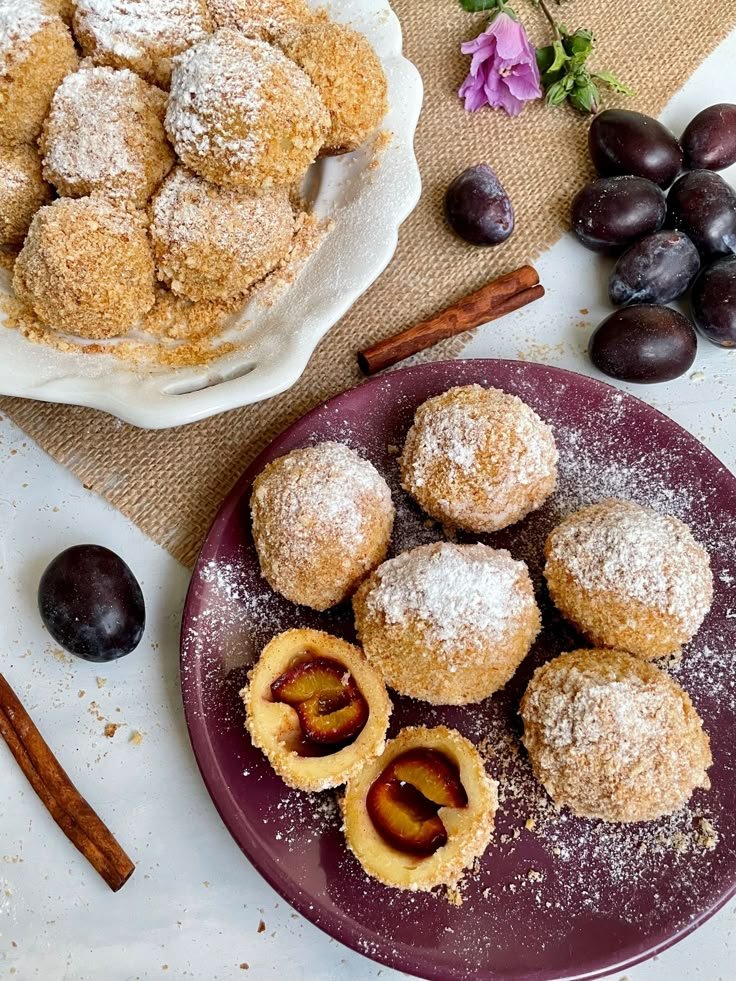
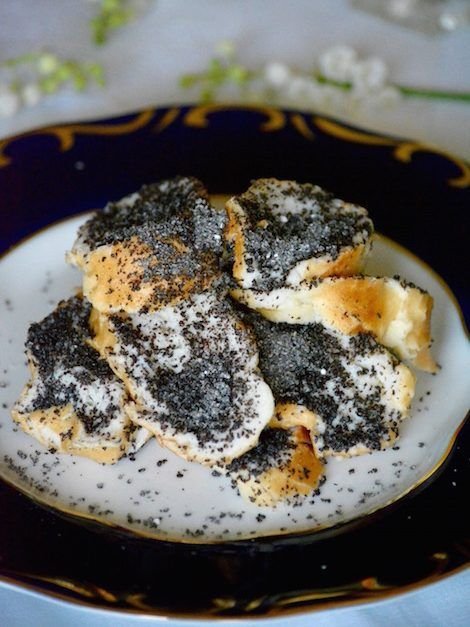
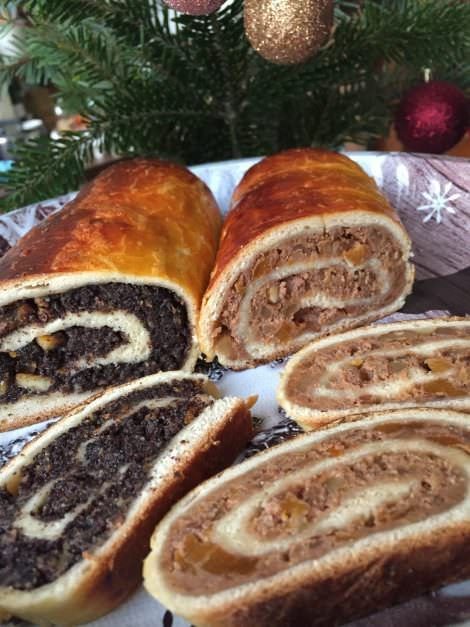
Hungarian Donuts (Szalagos Fánk): A Sweet Tradition That Never Gets Old 🍩🇭🇺
Hungarian Donuts (Szalagos Fánk): A Sweet Tradition That Never Gets Old 🍩🇭🇺
There are certain foods that evoke not just the senses but the soul, bringing us back to memories of family gatherings, holiday celebrations, and moments of joy. Hungarian donuts, known as Szalagos Fánk, are one such treat. Crispy on the outside, tender and airy on the inside, these delicious pastries have been a staple in Hungarian homes for centuries. They aren’t just any ordinary donuts—they are a symbol of Hungarian culture, history, and love for rich, sweet flavors. In this article, we’ll explore the history, significance, and the delightful experience of making and enjoying Szalagos Fánk.
The History of Szalagos Fánk: A Tradition Passed Through Generations
To truly appreciate Szalagos Fánk, we first need to understand its historical roots. The Hungarian word “fánk” refers to any type of fried dough pastry, and Szalagos Fánk translates to “ribbon donut.” These donuts have a long-standing tradition, dating back centuries in Hungarian cuisine. Like many traditional recipes, the exact origins of Szalagos Fánk are hard to pinpoint, but they are known to have gained popularity during the Farsang (Carnival) season, which takes place just before Lent. Farsang is a time of feasting and celebration, and donuts like Szalagos Fánk were the perfect way to indulge before the fasting period of Lent began.
During Farsang, it is customary to enjoy rich and decadent foods, and these donuts were a way to make the most of the last opportunity for indulgence before the restrictions of Lent set in. The tradition of making these donuts continued to grow and spread across Hungary, and today, Szalagos Fánk are enjoyed throughout the year, whether for family gatherings, holiday celebrations, or simply as a delicious treat on a lazy afternoon.
What Makes Szalagos Fánk So Special?
At first glance, Szalagos Fánk might appear to be just another fried dough pastry, but they have a distinctive feature that sets them apart from other donuts. The “ribbon” of dough attached to each donut is the key characteristic that gives Szalagos Fánk its name. When making the donuts, the dough is twisted and stretched as it is dropped into hot oil, creating a long strip of dough that is attached to the donut. This gives Szalagos Fánk their signature shape—crispy on the outside with a soft, fluffy interior.
But it’s not just the shape that makes these donuts stand out. The preparation and cooking process plays a crucial role in creating the perfect Szalagos Fánk. The dough is carefully mixed, kneaded, and left to rise, resulting in a light, airy texture that melts in your mouth. The donuts are then deep-fried to a golden brown, resulting in a crunchy, crisp exterior that contrasts beautifully with the pillowy interior.
The final touch comes in the form of a glaze. While some donuts are simply dusted with powdered sugar, Szalagos Fánk often gets brushed with syrup or a light sugar glaze while still warm, adding an extra layer of sweetness and richness that enhances the flavor of the donut. Whether served plain or glazed, Szalagos Fánk are a treat that can’t be passed up.
Key Ingredients in Szalagos Fánk
What makes Szalagos Fánk so irresistible is not just the technique but also the simple, high-quality ingredients used to make them. The dough itself is relatively simple, relying on basic pantry staples. Here’s a look at the key ingredients that go into making Szalagos Fánk:
Flour: All-purpose flour is the base of the dough and gives it the right texture. It provides the structure needed for the donuts to hold their shape while frying.
Yeast: The yeast helps the dough rise, giving it the light and airy texture that Szalagos Fánk are known for. Yeast is essential for creating that perfect fluffy interior.
Milk: Milk adds richness to the dough, making it softer and more tender. It also contributes to the flavor, enhancing the overall taste of the donut.
Butter: Butter is another key ingredient that helps create a rich, flavorful dough. It also contributes to the donuts’ crisp exterior once fried.
Eggs: Eggs provide structure and moisture to the dough, helping bind the ingredients together and contributing to the soft, fluffy texture.
Sugar: Sugar is used in both the dough and the glaze, adding sweetness to the donuts. It also contributes to the golden color when the donuts are fried.
Salt: A pinch of salt helps balance the sweetness and enhances the flavors of the other ingredients.
Vanilla: For added depth and aroma, vanilla is commonly used to flavor the dough. This gives Szalagos Fánk their signature fragrance.
When it comes to toppings, Szalagos Fánk are typically served with powdered sugar or syrup. Some variations also include jam, whipped cream, or chocolate for an extra indulgent treat.
Step-by-Step Guide to Making Szalagos Fánk at Home
Making Szalagos Fánk is a bit of a labor of love, but the results are well worth the effort. Whether you’re making them for a holiday celebration or just because you’re in the mood for something sweet, here’s how you can recreate these delicious Hungarian donuts in your own kitchen.
Ingredients:
500g (about 4 cups) all-purpose flour
20g (2 tsp) active dry yeast
250ml (1 cup) warm milk
100g (1/2 cup) sugar
2 eggs
80g (1/3 cup) melted butter
1 tsp vanilla extract
A pinch of salt
Oil for frying (vegetable or sunflower oil works best)
Powdered sugar or syrup for glazing
Instructions:
Activate the Yeast: Start by dissolving the yeast in warm milk along with a pinch of sugar. Let it sit for about 5-10 minutes until it becomes frothy. This step activates the yeast and ensures your dough will rise.
Make the Dough: In a large mixing bowl, combine the flour, sugar, salt, and vanilla extract. Add the activated yeast mixture, eggs, and melted butter. Stir everything together to form a soft, sticky dough.
Knead the Dough: Turn the dough out onto a floured surface and knead for about 10 minutes, until the dough becomes smooth and elastic. You can also use a stand mixer with a dough hook to save time.
Let the Dough Rise: Place the dough in a lightly greased bowl, cover with a clean kitchen towel, and let it rise in a warm spot for 1-1.5 hours, or until it has doubled in size.
Shape the Donuts: Once the dough has risen, punch it down to remove any air bubbles. Roll it out on a floured surface to about 1/2-inch thickness. Use a round cutter to cut out donut shapes, or create the characteristic ribbon shape by twisting and stretching pieces of dough.
Fry the Donuts: Heat oil in a deep pan or fryer to about 350°F (175°C). Fry the donuts in batches, being careful not to overcrowd the pan. Fry for about 2-3 minutes per side, or until golden brown and crispy.
Glaze the Donuts: After frying, drain the donuts on paper towels to remove excess oil. While still warm, brush the donuts with syrup or dust them with powdered sugar.
Serve and Enjoy: Serve your Szalagos Fánk warm and enjoy the deliciousness. They’re perfect for breakfast, dessert, or as a special treat for family gatherings.
The Cultural Significance of Szalagos Fánk
Szalagos Fánk are more than just a delicious dessert—they are a part of Hungarian identity and tradition. They are often shared at family events, local festivals, and community gatherings. Making these donuts is an opportunity to come together, share in the joy of baking, and pass down family recipes from one generation to the next.
In Hungary, food plays an important role in celebrating life’s milestones, from birthdays to weddings, and Szalagos Fánk are no exception. They bring people together, create lasting memories, and offer a taste of Hungarian culture that spans generations.
To provide the best experiences, we use technologies like cookies to store and/or access device information. Consenting to these technologies will allow us to process data such as browsing behavior or unique IDs on this site. Not consenting or withdrawing consent, may adversely affect certain features and functions.
Functional
Always active
The technical storage or access is strictly necessary for the legitimate purpose of enabling the use of a specific service explicitly requested by the subscriber or user, or for the sole purpose of carrying out the transmission of a communication over an electronic communications network.
Preferences
The technical storage or access is necessary for the legitimate purpose of storing preferences that are not requested by the subscriber or user.
Statistics
The technical storage or access that is used exclusively for statistical purposes.The technical storage or access that is used exclusively for anonymous statistical purposes. Without a subpoena, voluntary compliance on the part of your Internet Service Provider, or additional records from a third party, information stored or retrieved for this purpose alone cannot usually be used to identify you.
Marketing
The technical storage or access is required to create user profiles to send advertising, or to track the user on a website or across several websites for similar marketing purposes.