Certainly! Here’s a more detailed article on Palacsinta (Hungarian Pancakes):
Palacsinta (Hungarian Pancakes) – A Delicious Cultural Delight
Introduction: A Culinary Gem
Hungary is known for its rich culinary heritage, and one of the most beloved dishes in Hungarian homes is palacsinta — the Hungarian pancake. A versatile dish, palacsinta can be made with both sweet and savory fillings and is enjoyed across all seasons, particularly during family gatherings, holidays, and festive occasions. Whether it’s served as a light snack, a comforting breakfast, or a satisfying dessert, palacsinta represents the simplicity, creativity, and warmth of Hungarian cuisine.
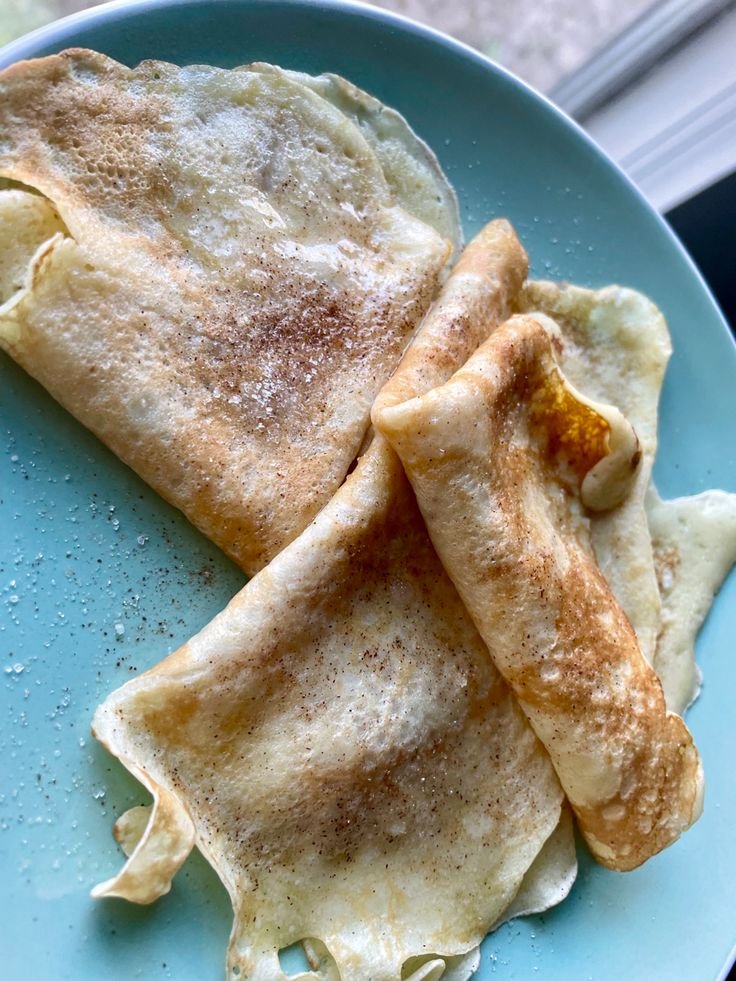
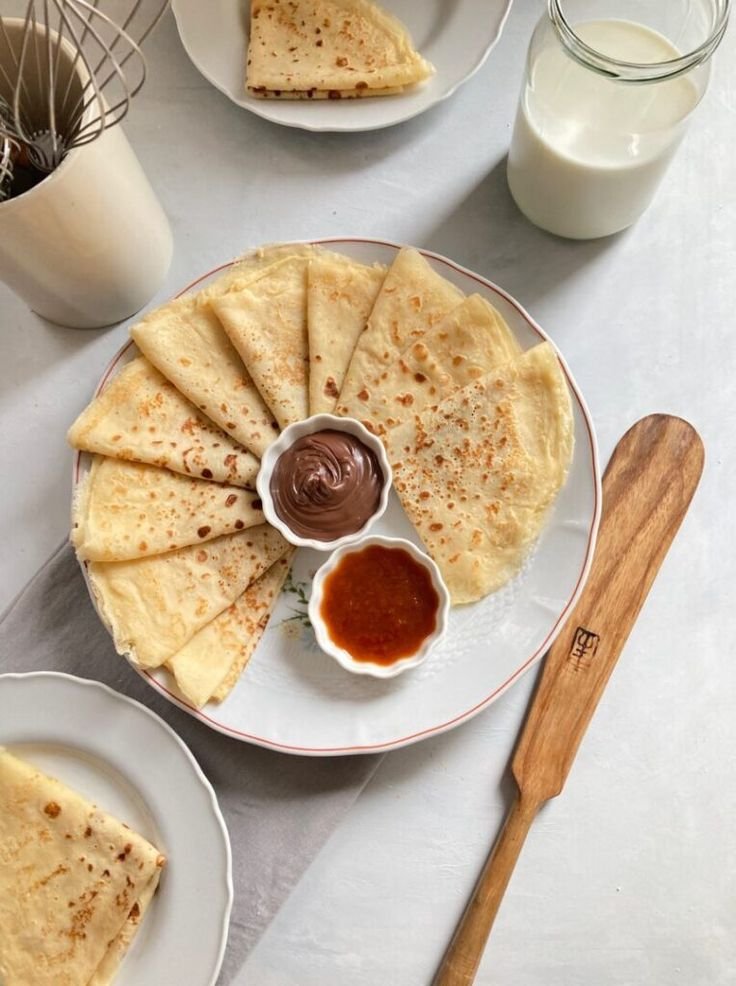
Palacsinta are thin, crepe-like pancakes that can be rolled up or folded and filled with a variety of delicious ingredients. They hold a special place in Hungarian culture, with each family often passing down their own unique variation of the recipe. While palacsinta may seem similar to French crêpes, the Hungarian version boasts its own distinct character, influenced by local ingredients, traditions, and flavors.
The Origins of Palacsinta
The roots of palacsinta can be traced back to ancient civilizations that made pancakes using simple, readily available ingredients like flour, water, and eggs. This universal food was adopted and modified by different cultures around the world, and the Hungarian version has been adapted over the centuries to reflect the country’s tastes and preferences.
In Hungary, palacsinta was historically seen as a humble yet beloved dish. It was often prepared for special occasions, festive family meals, or as a treat for children. With its delicate, thin texture and endless filling possibilities, palacsinta became a comforting food that symbolized the nurturing spirit of Hungarian cooking.
The preparation and enjoyment of palacsinta are not limited to any specific region of Hungary. Whether in the bustling cities or small villages, palacsinta is universally cherished. The dish is enjoyed across Hungary’s diverse cultural regions, with each region adding its own twist on the classic recipe. In fact, it’s said that every Hungarian household has its own special method of making palacsinta, passed down from generation to generation.
Why Palacsinta Is a National Favorite
There are a multitude of reasons why palacsinta has become such an enduring and loved dish in Hungary:
Flexibility and Variety: The most exciting aspect of palacsinta is the versatility it offers. While the pancake itself is quite simple, it can be filled with a wide variety of ingredients. Whether you opt for sweet fillings like fruit preserves, Nutella, or cream cheese, or savory fillings like spinach and cheese or ground meat, the possibilities are endless. This adaptability makes it a dish that can be enjoyed by anyone, regardless of taste preferences.
Simplicity of Preparation: The basic ingredients of palacsinta are easily accessible in most kitchens, making it a practical and affordable dish to prepare. The batter is quick to mix, and the pancakes themselves cook fast. There’s no need for specialized equipment — just a skillet or frying pan, and you’re good to go.
Ideal for All Meals: Whether served for breakfast, lunch, or dinner, palacsinta fits perfectly into any meal plan. Sweet versions are great for breakfast or dessert, while savory versions can be enjoyed as a light lunch or dinner. This makes it an incredibly versatile and family-friendly dish.
Cultural Significance: For many Hungarians, palacsinta represents more than just food. It’s a way to stay connected to family traditions and cultural heritage. The act of making palacsinta often evokes nostalgia, with many people recalling the warmth of family kitchens and the joy of eating these pancakes during holidays or gatherings.
Perfect for Sharing: Palacsinta is a communal dish. It’s common to see multiple pancakes being prepared and filled for sharing among friends and family. The process of making palacsinta often brings people together, whether they’re enjoying a casual meal or celebrating a special occasion.
A Step-by-Step Guide to Making Traditional Palacsinta
While the recipe for palacsinta is quite straightforward, there are a few tips and tricks to ensure your pancakes turn out perfectly every time. This recipe will help you make the most authentic and delicious Hungarian pancakes that can be filled with a variety of sweet or savory fillings.
Ingredients for the Palacsinta:
For the Pancakes:
1 cup all-purpose flour
1 1/2 cups milk (adjust for desired consistency)
2 large eggs
2 tablespoons sugar (for sweet versions)
1 teaspoon vanilla extract (optional, for sweet versions)
A pinch of salt
2 tablespoons vegetable oil or melted butter (for the batter)
Butter or oil for greasing the pan
For Sweet Fillings:
Fruit jams (apricot, strawberry, raspberry)
Nutella or chocolate spread
Vanilla cream or custard
Ground walnuts mixed with sugar and cinnamon
Powdered sugar for dusting
For Savory Fillings:
Cottage cheese with herbs
Spinach and ricotta cheese
Ground meat (pork, beef, or chicken) with onion, paprika, and garlic
Mushrooms with garlic and cream
Sour cream for serving
Instructions:
Make the Batter: In a large bowl, combine the flour, milk, eggs, sugar, and vanilla (if making a sweet version). Whisk until the batter is smooth and lump-free. Add a pinch of salt and mix in the oil or melted butter. The batter should be thin, similar to crêpe batter. If it’s too thick, add a little more milk until you reach the desired consistency.
Prepare the Pan: Heat a non-stick skillet or crepe pan over medium heat. Lightly grease it with butter or oil. Once the pan is hot, pour in a small amount of batter, swirling it around to coat the bottom evenly. The goal is to create a thin, even layer of batter.
Cook the Pancakes: Let the pancake cook for about 1-2 minutes on one side, until the edges begin to lift from the pan. Flip it over carefully using a spatula and cook for another 30 seconds to 1 minute on the other side. The pancake should be lightly golden and crisp around the edges.
Repeat and Stack: Continue this process until all the batter is used up, lightly greasing the pan between each pancake. Stack the cooked pancakes on a plate and cover them with a clean kitchen towel to keep them warm.
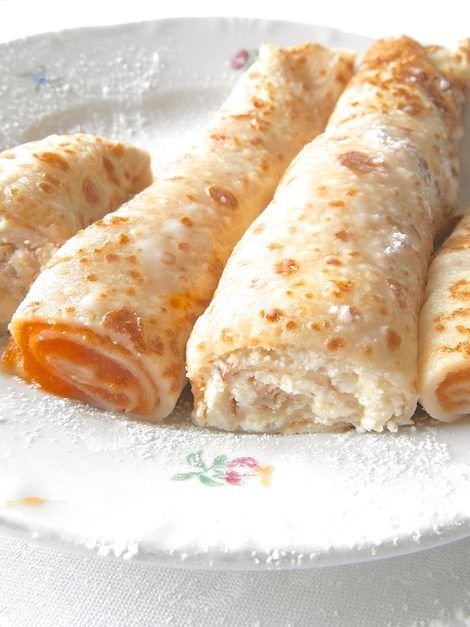
Fill the Palacsinta: Now comes the fun part! Choose your filling, whether sweet or savory. For sweet palacsinta, spread a spoonful of jam, Nutella, or vanilla cream in the center of each pancake, then roll it up or fold it in half. For savory palacsinta, add a spoonful of your chosen filling, then roll or fold the pancake.
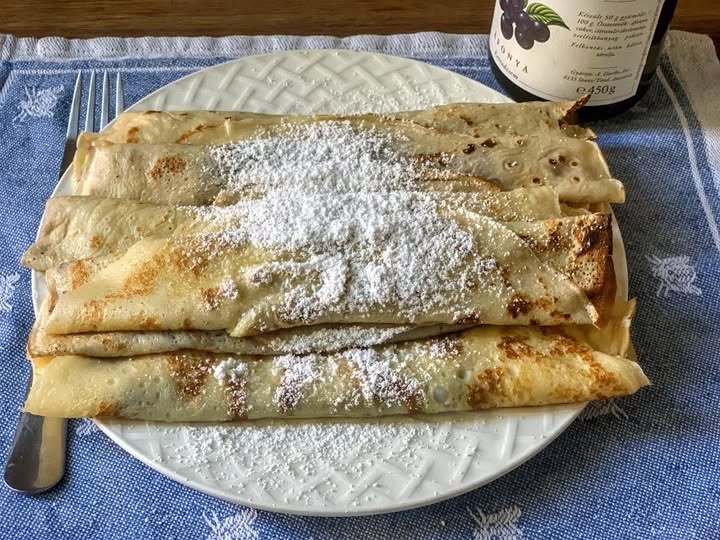
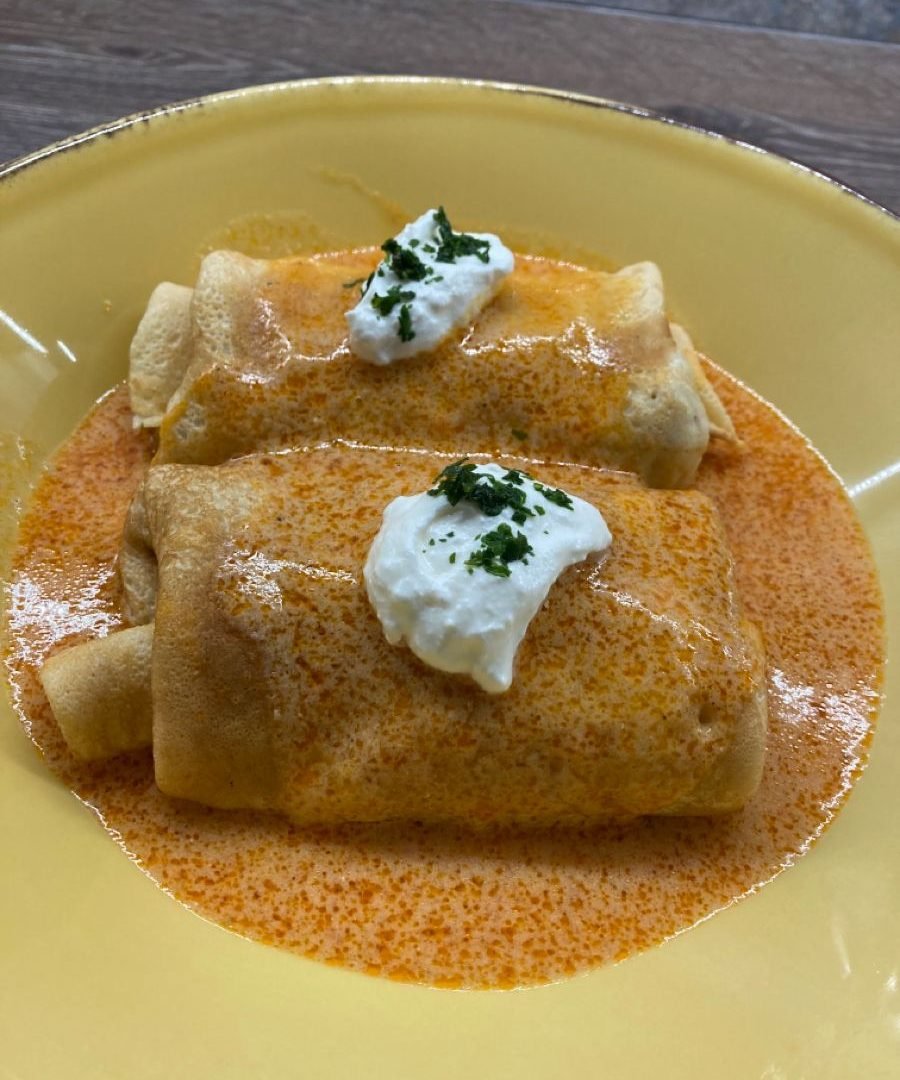
Serve and Enjoy: Arrange the filled palacsinta on a serving platter. If you’ve made sweet palacsinta, dust them with powdered sugar or drizzle with chocolate sauce for an extra treat. Savory versions can be served with a dollop of sour cream or a side salad. Enjoy your delicious Hungarian pancakes fresh from the pan!
Serving Suggestions for Palacsinta
For Sweet Palacsinta:
Serve with whipped cream, fresh fruit, or ice cream on the side.
Add a drizzle of honey, maple syrup, or fruit syrup for extra sweetness.
For a truly indulgent treat, top with melted chocolate or caramel sauce.
For Savory Palacsinta:
Serve with a dollop of sour cream or yogurt.
Pair with a side of sautéed vegetables or a fresh salad.
Add a tangy tomato sauce or garlic sauce for extra flavor.