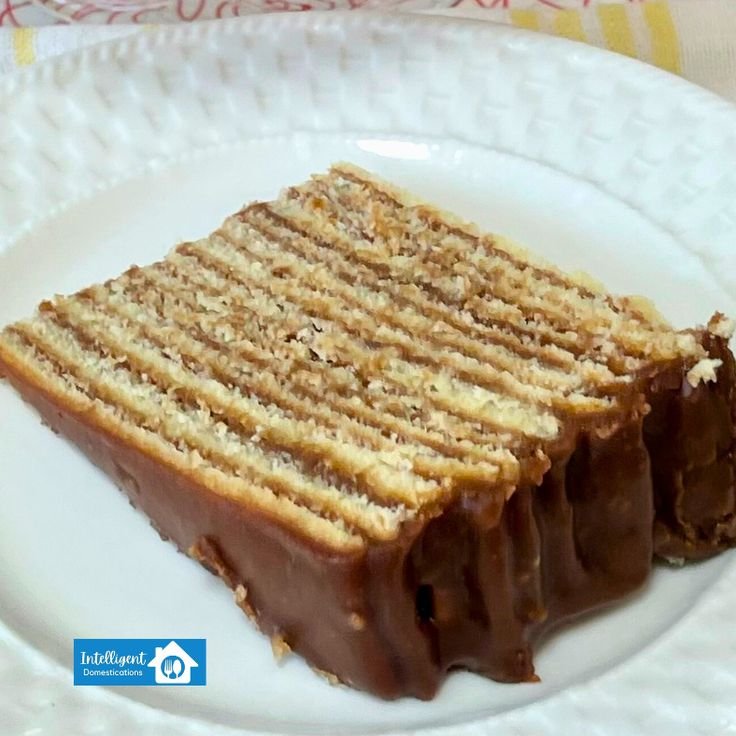
Esterházy Torte is a luxurious Hungarian cake known for its delicate nutty layers, smooth buttercream filling, and distinctive spiderweb glaze. Named after Prince Paul III Anton Esterházy, an Austro-Hungarian diplomat, this elegant dessert has become a staple in Central European pastry culture. With its unique combination of textures and flavors, Esterházy Torte is a sophisticated treat perfect for special occasions.
History and Origins of Esterházy Torte
The Esterházy family was one of the most influential noble families in the Austro-Hungarian Empire, known for their patronage of the arts and fine dining. The cake was allegedly created in the 19th century by a court pastry chef who wanted to honor Prince Esterházy. Since then, it has gained immense popularity in Hungary, Austria, and beyond, becoming a classic in European confectionery.
What sets this cake apart is its multi-layered nutty sponge, often made with walnuts or almonds, paired with a silky buttercream filling that creates a delicate and indulgent bite. Topped with a signature spiderweb pattern made from white and dark chocolate, this torte is as visually stunning as it is delicious.
Ingredients
For the Sponge Layers (Dacquoise):
6 egg whites
150g (3/4 cup) sugar
200g (2 cups) ground walnuts or almonds
2 tbsp all-purpose flour
1 tsp vanilla extract
A pinch of salt
For the Buttercream Filling:
6 egg yolks
150g (3/4 cup) sugar
200ml (3/4 cup) milk
250g (1 cup) unsalted butter, softened
1 tsp vanilla extract
2 tbsp apricot jam (optional, for extra flavor)
For the Glaze & Decoration:
200g (1 1/2 cups) white chocolate or fondant icing
50g (1/3 cup) dark chocolate (for the spiderweb pattern)
To provide the best experiences, we use technologies like cookies to store and/or access device information. Consenting to these technologies will allow us to process data such as browsing behavior or unique IDs on this site. Not consenting or withdrawing consent, may adversely affect certain features and functions.
Functional
Always active
The technical storage or access is strictly necessary for the legitimate purpose of enabling the use of a specific service explicitly requested by the subscriber or user, or for the sole purpose of carrying out the transmission of a communication over an electronic communications network.
Preferences
The technical storage or access is necessary for the legitimate purpose of storing preferences that are not requested by the subscriber or user.
Statistics
The technical storage or access that is used exclusively for statistical purposes.The technical storage or access that is used exclusively for anonymous statistical purposes. Without a subpoena, voluntary compliance on the part of your Internet Service Provider, or additional records from a third party, information stored or retrieved for this purpose alone cannot usually be used to identify you.
Marketing
The technical storage or access is required to create user profiles to send advertising, or to track the user on a website or across several websites for similar marketing purposes.