The Ultimate Guide to Cooking Food Perfectly Every Time
Nothing ruins a good meal faster than food that’s overcooked or undercooked. Whether it’s dry chicken, mushy vegetables, or a steak that looks nothing like what you ordered, getting the perfect cook is a skill every home chef can master.
This guide explains the differences, how to avoid both problems, and how to rescue food when things go wrong.
⭐ What Does “Undercooked” Mean?
Undercooked food is food that hasn’t reached a safe internal temperature or hasn’t been cooked long enough to achieve the right texture.
Common signs of undercooking:
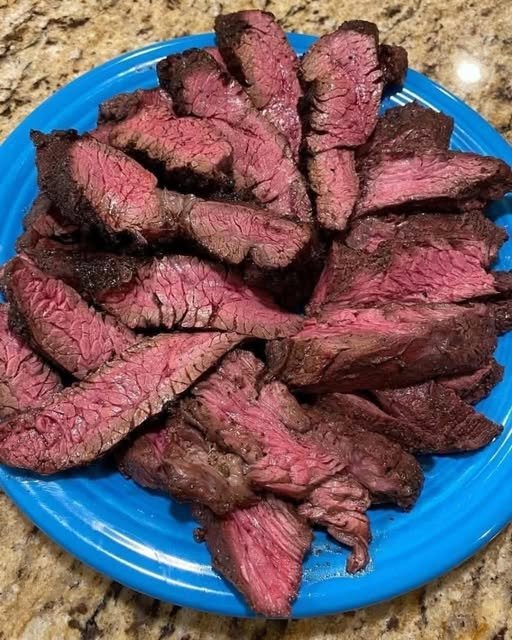
Meat is raw or pink in the center when it shouldn’t be
Rice or pasta is hard
Vegetables are too crunchy
Eggs are runny when they should be firm
❗Why it’s a problem:
Unsafe to eat (bacteria may survive)
Unpleasant texture
Poor flavor development
Safe internal temperatures:
Chicken: 165°F / 74°C
Ground beef: 160°F / 71°C
Whole cuts of beef/pork/lamb: 145°F / 63°C + 3-minute rest
Fish: 145°F / 63°C
Using a thermometer is the easiest way to avoid undercooking.
⭐ What Does “Overcooked” Mean?
Overcooked food is food that has been heated for too long, causing it to dry out, burn, or lose flavor and texture.
Signs of overcooking:
Dry, tough chicken
Burnt edges
Mushy pasta or vegetables
Hard, rubbery eggs
Dry cakes or cookies
Why it happens:
Too much heat
Too much time
Not checking food while cooking
Using the wrong cookware or settings
⭐ Overcooked vs. Undercooked: Key Differences
Problem
Texture
Flavor
Safety
Undercooked
Hard, raw, or wet
Unfinished taste
❗Risky
Overcooked
Dry, tough, mushy
Bitter or bland
Safe but unpleasant
⭐ How to Avoid Undercooking
Use a digital thermometer
Follow recommended cooking times
Preheat your oven or pan
Cut food evenly for even cooking
Rest meat before slicing
⭐ How to Avoid Overcooking
Set a timer
Check food halfway through
Lower the heat if needed
Use moist cooking methods (braising, steaming)
Remove food from heat early and let residual heat finish the job
⭐ How to Fix Undercooked Food
Return it to the oven or pan
Cut into smaller pieces to finish cooking faster
Cover with a lid to trap heat
Add broth or water for moisture
⭐ How to Fix Overcooked Food
Add sauces or broth to rehydrate
Shred or chop overcooked meat for soups, tacos, or casseroles
Mix overcooked veggies into mashed potatoes or blended soups
For baked goods, brush with warm milk, butter, or syrup
To provide the best experiences, we use technologies like cookies to store and/or access device information. Consenting to these technologies will allow us to process data such as browsing behavior or unique IDs on this site. Not consenting or withdrawing consent, may adversely affect certain features and functions.
Functional
Always active
The technical storage or access is strictly necessary for the legitimate purpose of enabling the use of a specific service explicitly requested by the subscriber or user, or for the sole purpose of carrying out the transmission of a communication over an electronic communications network.
Preferences
The technical storage or access is necessary for the legitimate purpose of storing preferences that are not requested by the subscriber or user.
Statistics
The technical storage or access that is used exclusively for statistical purposes.The technical storage or access that is used exclusively for anonymous statistical purposes. Without a subpoena, voluntary compliance on the part of your Internet Service Provider, or additional records from a third party, information stored or retrieved for this purpose alone cannot usually be used to identify you.
Marketing
The technical storage or access is required to create user profiles to send advertising, or to track the user on a website or across several websites for similar marketing purposes.